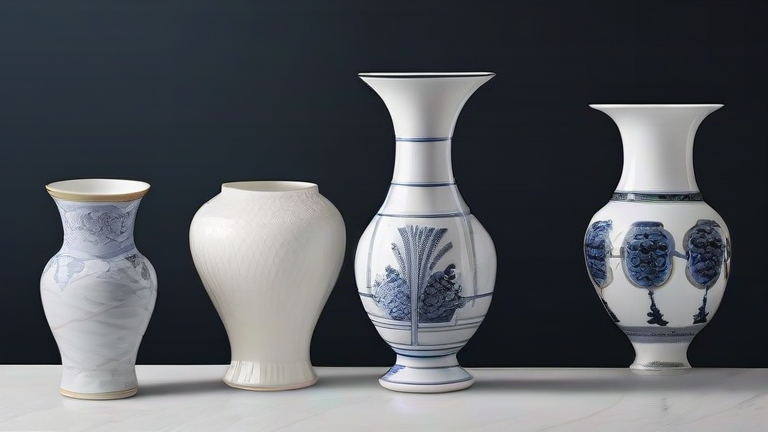
TL;DR: Yes, porcelain vases are generally safe for health when used as decorative vessels, provided they are food-safe certified if holding water or flowers. The primary risks come from lead or cadmium in low-quality glazes, or physical injury from shards, not from the porcelain itself.
The Science of Porcelain & Your Home
Porcelain is a ceramic material fired at extremely high temperatures (1,200–1,400°C). This vitrification process makes it non-porous, chemically stable, and biologically inert. Unlike plastic or some metals, porcelain does not leach microplastics or reactive ions into water. A 2019 study in the *Journal of Food Science* confirmed that properly glazed ceramics release negligible heavy metals below WHO safety limits. However, the concern lies not in the clay body, but in the decorative glaze—especially on the interior surface if you use the vase for cut flowers, water, or as a drinking vessel (some people repurpose vases as carafes).
If you want to dig deeper, check out our guide on Health Hazards of Porcelain Vases: Lead & Toxicity Guide.
Lead & Cadmium: The Hidden Risk
Low-quality, hand-painted or imported porcelain vases may use lead-based or cadmium-based glazes to achieve bright reds, yellows, or oranges. When exposed to acidic water (e.g., flower food, lemon water), these metals can leach into the liquid. Chronic lead exposure is neurotoxic, especially for children and pregnant women. The FDA’s ceramic ware guidelines recommend using only “food-safe” labeled items for any liquid contact. For decorative-only vases, the risk is minimal because you’re not ingesting the surface. Tip: If you’re unsure, test with a home lead swab kit (available at hardware stores) on the inside rim. If it turns red, restrict the vase to dry arrangements only.
Practical Lifestyle Tips for Safe Use
1. **Use a glass liner** – Place a separate glass or stainless-steel container inside the porcelain vase for water. This prevents direct contact between water and the glaze, eliminating leaching risk. 2. **Avoid scratched interiors** – Micro-abrasions from cleaning with steel wool can expose the clay body, which may contain trace metals. Use soft sponges. 3. **Keep away from heat** – Never put hot liquids or candles directly in a porcelain vase; thermal shock can cause cracking, and cracked glaze increases surface area for potential migration. 4. **For floral use**, change water every 2 days—not only for flower freshness, but to prevent bacterial biofilm that could interact with glaze imperfections. 5. **Display height matters** – Place vases on stable shelves away from high-traffic areas to reduce the chance of tipping and shattering, which poses a laceration hazard.
When to Retire a Porcelain Vase
Discard any vase with visible crazing (fine crackle lines in the glaze), chips, or cracks. These defects compromise the glaze’s barrier function, allowing moisture to seep into the porous clay underneath, which can harbor mold (e.g., *Aspergillus*) and release metallic salts. Also, avoid using antique or vintage porcelain for fresh flowers unless tested for lead—pre-1970s glazes commonly contained lead. For display, they are safe; for function, use a liner.
FAQ
Q: Can I drink water from a porcelain vase in an emergency?
A: Only if the vase is explicitly marked “food-safe” or “lead-free” on the bottom. Otherwise, no—unknown glaze composition can leach harmful metals, and the vase’s shape is not designed for drinking hygiene.
Q: Are porcelain vases with gold or metallic rims safe?
A: Metallic rims often contain trace lead or cadmium. If the rim touches lips (e.g., used as a cup) or water, avoid. For decorative use, they are safe because the metals are fused into the glaze and not ingested.
Q: Does boiling water sterilize a porcelain vase?
A: No—boiling can cause thermal shock and cracking. To sanit