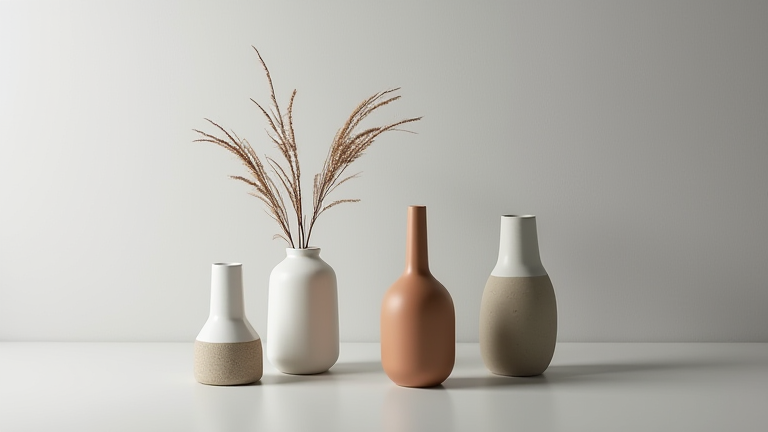
5 Tech Innovations Transforming the Porcelain Vase Market
TL;DR: Advanced digital 3D printing and AI-driven design algorithms are revolutionizing the creation of complex porcelain geometries previously deemed impossible by hand. These technologies reduce production waste while enabling hyper-personalized mass customization for global consumers.
The porcelain vase market, a sector traditionally rooted in centuries-old craftsmanship, is undergoing a radical metamorphosis due to technological integration. While the material remains the same high-fired ceramic clay, the methods of conception, manufacturing, and distribution have shifted dramatically. This convergence of art and engineering is not replacing artisans but rather augmenting their capabilities, allowing for precision and scale that manual labor alone cannot achieve. The result is a product line that balances aesthetic elegance with industrial efficiency, catering to a new generation of buyers who value both uniqueness and sustainability.
If you want to dig deeper, check out our guide on How to Restore Porcelain Vases: A Step-by-Step Restoration G.
1. Digital Additive Manufacturing for Porcelain
The most significant leap forward is the adoption of ceramic 3D printing, specifically using vat photopolymerization techniques adapted for porcelain slurry. Unlike traditional slip casting, which relies on rigid molds, digital fabrication allows for the creation of intricate, lattice-like structures and organic forms. Recent specs indicate that industrial-grade porcelain printers can achieve layer resolutions of up to 10 microns, enabling delicate details that would be lost in standard molding. This technology reduces material waste by up to 40% compared to subtractive methods, as it builds the vase layer by layer rather than carving it from a block. The industry impact is profound, as studios can now prototype and produce limited-edition pieces with complex internal geometries that serve both structural and visual purposes, appealing to high-end interior designers seeking statement pieces.
2. AI-Generated Design Algorithms
Generative AI is now a core component of the design phase, allowing designers to input specific aesthetic parameters—such as curvature, weight distribution, and light reflection—to generate thousands of unique vase prototypes in minutes. These algorithms analyze historical data from classical Chinese and European porcelain to suggest novel forms that respect traditional aesthetics while introducing modern twists. The specs for these software tools often include real-time physics simulation, ensuring that the generated designs are structurally sound before they ever reach the printer or kiln. This innovation democratizes design, enabling small workshops to compete with large manufacturers by offering bespoke, AI-assisted collections. The market impact is seen in a surge of personalized products, where customers can co-create vases that reflect their personal tastes, driving higher average order values and customer engagement.
3. Smart Kiln Monitoring Systems
Consistency in firing is the hallmark of quality porcelain, and IoT-enabled smart kilns are ensuring this consistency across batch sizes. These systems utilize arrays of infrared sensors and AI-driven thermal control to monitor temperature gradients within the kiln chamber in real-time. With specs capable of detecting temperature fluctuations of less than 0.5 degrees Celsius, these systems prevent defects like warping or uneven glaze melting. The industry impact is a reduction in product rejection rates, which can save manufacturers millions in material and labor costs. Furthermore, the data collected from each firing cycle is stored in the cloud, allowing for predictive maintenance and process optimization, ensuring that every vase meets the highest standards of durability and finish.
4. Digital Twin Simulation
Before any physical production begins, manufacturers now create a “digital twin” of the vase, a virtual replica that simulates the entire lifecycle from raw material to finished product. This simulation predicts how the vase will behave under various environmental conditions, such as thermal shock or impact. The specs include high-fidelity material modeling that accounts for the specific viscosity and drying properties of the porcelain clay. By identifying potential failure points in the virtual realm, engineers can adjust the design or the firing schedule proactively. This reduces the time-to-market for new products and minimizes the risk of catastrophic kiln failures, enhancing brand reliability and customer trust.
5. Blockchain for Provenance and Authenticity
In a market where high-end porcelain vases are often collected as art, authenticity is paramount. Blockchain technology is being used to create immutable digital certificates of authenticity for each vase. These
Leave a Reply