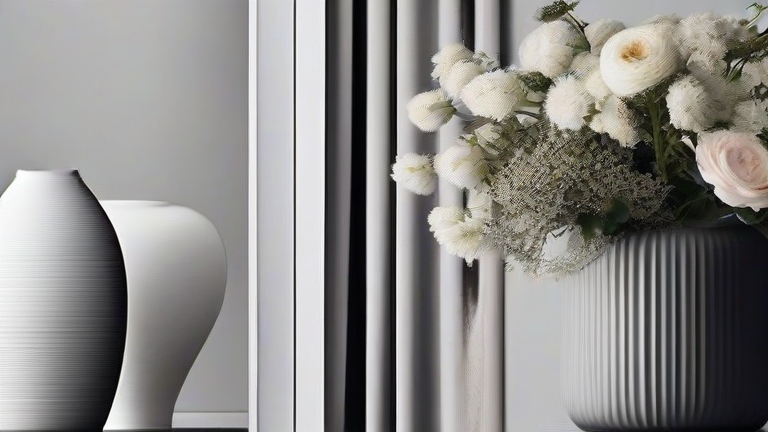
TL;DR: Transform your living space into a chic sanctuary by using porcelain vases as versatile anchors for minimalist, maximalist, or nature-inspired decor. These elegant vessels, whether filled with fresh blooms, dried botanicals, or left empty as sculptural pieces, effortlessly elevate the aesthetic of any room from the bedroom to the dining table.
The Art of the Empty Vessel
In the world of interior design, less is often more, but that does not mean empty spaces should feel void. A standalone porcelain vase, particularly in a matte white or soft blush finish, acts as a powerful sculptural element. Position a tall, slender vase on a minimalist console table to draw the eye upward, creating a sense of height and airiness. The smooth, reflective surface of high-quality porcelain catches natural light, adding a subtle sheen that contrasts beautifully with rougher textures like wood or stone. This approach champions the “wabi-sabi” philosophy, finding beauty in imperfection and simplicity. By removing the clutter of flowers, you allow the form of the vase to speak for itself, turning a functional object into a piece of functional art that defines the room’s character without overwhelming the senses.
If you want to dig deeper, check out our guide on Handmade Porcelain Vases: Timeless Elegance for Your Home.
Curating Textures and Heights
For those who prefer a more layered look, styling a collection of porcelain vases in varying heights and shapes creates a dynamic visual rhythm. Group three or five vases of different silhouettes—perhaps a wide, squat one, a medium cylinder, and a tall, narrow neck—on a coffee table or bookshelf. This triad effect is visually pleasing and provides a balanced foundation for your floral arrangements. Use the largest vase for a statement bloom, such as a single hydrangea or a large eucalyptus branch, while the smaller vessels can hold delicate sprigs of baby’s breath or dried wheat. The key here is contrast; pair the cool, smooth surface of the porcelain with the organic, tactile nature of the plant material. This juxtaposition adds depth and interest, making the arrangement feel curated rather than random. It is a technique that bridges the gap between modern minimalism and traditional botany, offering a timeless appeal that works in both contemporary lofts and cozy cottage homes.
Color Theory in Porcelain
Porcelain vases are not limited to white. Exploring bold hues like cobalt blue, emerald green, or terracotta can inject energy and personality into a neutral palette. A vibrant blue vase on a neutral shelf acts as a focal point, anchoring the space with a pop of color that feels sophisticated rather than childish. Conversely, using a monochromatic scheme, such as a series of vases in varying shades of grey or beige, creates a serene and calming atmosphere. This is particularly effective in bedrooms or reading nooks where tranquility is the goal. The choice of color should reflect your personal style and the mood you wish to cultivate. Whether you opt for the stark elegance of black porcelain or the warmth of glazed terracotta, the color choice influences how the light interacts with the object and, consequently, how the room feels to its inhabitants. It is a subtle yet powerful way to express individuality through home decor.
FAQ
Q: Can I use porcelain vases for dried flowers?
A: Yes, porcelain is an excellent choice for dried arrangements because it does not require water, preventing mold and bacteria growth inside the vessel.
Q: How do I clean a stained porcelain vase?
A: Use a mixture of warm water and mild dish soap with a soft brush to gently scrub the interior, followed by a vinegar rinse to remove any lingering odors or mineral deposits.
Q: Are porcelain vases suitable for outdoor use?
A: Generally, no, as porcelain is porous and can crack due to freezing temperatures and harsh weather conditions, so it is best kept indoors.
Leave a Reply