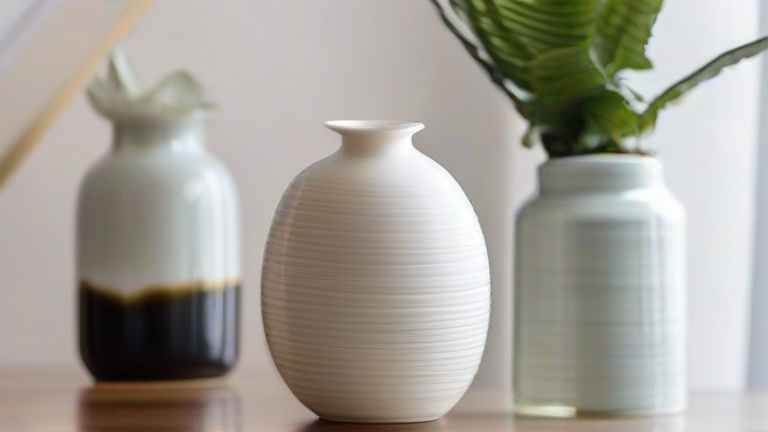
TL;DR: Porcelain vases generally do not significantly affect indoor air quality because they are fired at high temperatures that eliminate volatile organic compounds. However, users should ensure proper drainage to prevent mold growth, which can release spores into the air.
The Chemistry of Porcelain and Indoor Air
When considering the impact of home décor on respiratory health, many people worry about off-gassing from new materials. Porcelain, a type of ceramic ware, is distinct from standard earthenware due to its high firing temperature, typically ranging between 1,200 and 1,400 degrees Celsius. This intense heat vitrifies the clay, creating a non-porous, glass-like surface. Because of this dense structure, modern, mass-produced porcelain vases are chemically stable and do not release harmful volatile organic compounds (VOCs) like formaldehyde or benzene once fully cured. Therefore, the vase itself is inert and safe for indoor environments.
If you want to dig deeper, check out our guide on Handmade Porcelain Vases: 10 Unique Styles for Your Home.
The Real Risk: Biological Contaminants
While the material is safe, the function of the vase presents a different health challenge. Porcelain vases are often used to hold water for cut flowers. If stagnant water remains in the vase for more than twenty-four hours, it becomes an ideal breeding ground for bacteria and mold. Mold spores can become airborne when disturbed, potentially triggering allergic reactions, asthma attacks, or other respiratory issues in sensitive individuals. To maintain healthy air quality, it is crucial to treat the water level as a dynamic variable rather than a static fixture. Regularly changing the water removes organic matter and prevents microbial growth. Additionally, using a vase with a narrow neck can reduce surface area exposure to dust, while a wide mouth allows for easier cleaning.
Lifestyle Tips for Healthy Display
To maximize both aesthetic appeal and health safety, adopt a proactive maintenance routine. First, always rinse the interior of the porcelain vase with warm soapy water before inserting fresh flowers. This removes residual sugars from previous bouquets that feed bacteria. Second, trim flower stems at a forty-five degree angle just before placing them in water to maximize water absorption and minimize decay. Third, avoid placing porcelain vases in direct sunlight, as UV rays can accelerate algae growth in the water, further compromising air quality through increased humidity and microbial activity. For those with severe allergies, consider using dry arrangements or artificial flowers in porcelain vessels to eliminate the biological risk entirely. Finally, ensure that any decorative stones or sand used at the bottom of the vase are clean and dry before use, as damp sand can harbor mold spores that are difficult to remove from porous grains.
Material Safety and Lead Concerns
Historically, some ceramic glazes contained lead or cadmium, which could leach into water if the glaze was damaged. However, modern porcelain vases sold in major markets are strictly regulated by health and safety agencies. These regulations ensure that lead levels are below detectable limits in food-contact applications and even lower for decorative items. If you are using vintage or antique porcelain vases, exercise caution. Look for signs of crazing, which are fine cracks in the glaze. These cracks can trap moisture and potentially allow trace amounts of heavy metals to migrate if the original glaze was not lead-free. When in doubt, use antique porcelain vases only for dry arrangements or as standalone decorative pieces rather than for holding water. Modern industrial porcelain is designed to be durable and chemically stable, making it a safe choice for contemporary home interiors without compromising air quality standards.
FAQ
Q: Does porcelain release chemicals into the air?
A: No, fired porcelain is chemically stable and does not off-gas VOCs under normal indoor conditions.
Q: How often should I change water in a flower vase?
A: You should change the water every one to two days to prevent mold and bacterial growth.
Q: Are antique porcelain vases safe for holding water?
A: Only if they have no cracks or crazing; otherwise, use them for dry displays to avoid potential lead leaching.
Leave a Reply