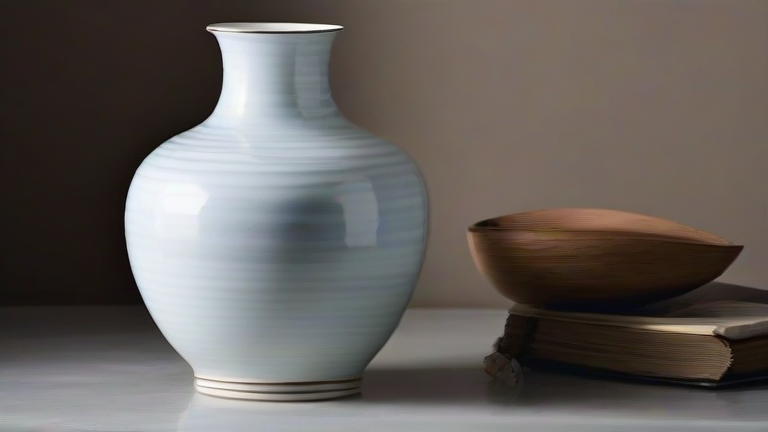
TL;DR: Porcelain vases pose a significant health risk only if they contain lead-based glazes, which are common in antique or cheaply imported pieces. You can mitigate this risk by using lead-free vases for food or drink and avoiding acidic liquids in unverified ceramics.
The Science of Glaze Toxicity
Porcelain is a type of ceramic material fired at extremely high temperatures, typically exceeding 1,200 degrees Celsius. This process creates a dense, non-porous body that is generally inert and safe. However, the primary concern regarding porcelain vases lies not in the clay body itself, but in the decorative glazes applied to the surface. Lead oxide has historically been used in glazes because it lowers the melting point, improves the gloss, and enhances the vibrancy of colors. When a lead-glazed vase is subjected to acidic substances like wine, juice, or vinegar, the acid can leach lead ions from the glaze into the liquid. Ingesting even small amounts of lead over time can lead to lead poisoning, which affects the nervous system, kidneys, and cardiovascular health. Modern manufacturing standards in many countries strictly regulate or ban the use of lead in food-contact ceramics, making new, domestically produced porcelain vases largely safe. The danger primarily persists with antique pieces, those from regions with lax regulatory enforcement, or items explicitly labeled as “decorative only.”
If you want to dig deeper, check out our guide on AirPods Pro 3: Top 5 Features Driving the New Audio Trend.
Identifying Risk Factors
To assess the safety of your porcelain vases, consider their origin and age. Vases manufactured in the last decade by reputable brands are almost certainly lead-free. However, antiques from before the 1970s, or those purchased from unregulated international markets, require caution. Visually inspect the glaze; if it feels rough, has visible crazing (fine cracks), or if the colors appear unusually bright or metallic, these may be indicators of older glaze formulations. Additionally, any vase that has been repaired with non-food-safe adhesives should be treated as a decorative object only. It is crucial to distinguish between vases intended for holding water and cut flowers versus those used for serving beverages or food. While holding water is generally low-risk because water is neutral, using a lead-glazed vase for acidic liquids significantly increases the potential for leaching.
Safe Lifestyle Practices
Adopting a few simple habits can ensure your home remains a safe environment. First, always designate specific vases for food and drink. If you are unsure about the lead content of a vase, use it strictly for dry flowers or water. Never store acidic liquids like lemonade, wine, or fruit juices in unverified porcelain. Second, avoid using abrasive scrubbers on older vases, as this can damage the glaze and expose the underlying materials to leaching agents. Third, if you collect antique porcelain, consider having them tested by a certified laboratory. Many environmental health agencies offer lead testing services for ceramics. Finally, educate your household members about the risks. Ensure that children and pets do not play with or attempt to drink from decorative vases. By maintaining a clear distinction between functional tableware and decorative art pieces, you can enjoy the aesthetic beauty of porcelain while safeguarding your family’s health. Regularly check for updates on regulatory standards in your region to stay informed about safe product guidelines.
FAQ
Q: Is all porcelain lead-free?
A: No, the porcelain body is safe, but the glaze may contain lead, especially in antique or imported items.
Q: Can I wash a lead-glazed vase to make it safe?
A: Washing removes surface residue but does not eliminate lead within the glaze, so it remains unsafe for food contact.
Q: What should I do if I suspect my vase is toxic?
A: Stop using it for food or drink immediately and have it professionally tested for lead content.
Leave a Reply