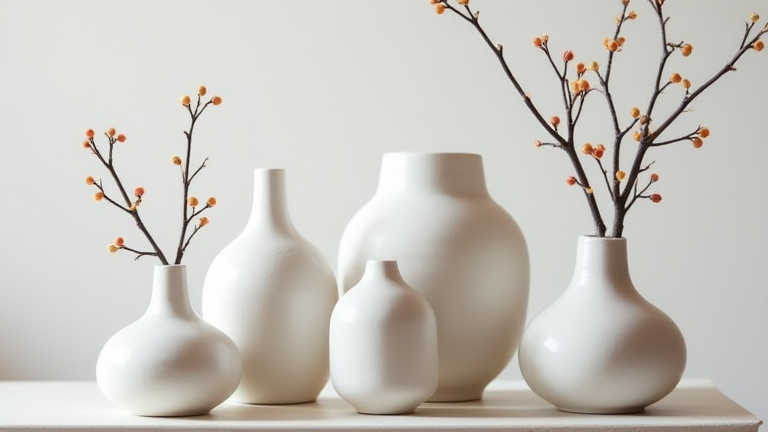
TL;DR: The modern market for handmade porcelain vases is shifting toward minimalist, organic shapes and sustainable, low-impact production methods. Businesses succeed by blending artisanal craftsmanship with digital storytelling to appeal to eco-conscious, design-forward consumers.
The Shift in Aesthetic Values
The contemporary interior design landscape is undergoing a profound transformation, moving away from mass-produced, uniform decor toward unique, narrative-driven pieces. Handmade porcelain vases sit at the intersection of art and utility, offering a tactile warmth that synthetic alternatives cannot replicate. Current trends indicate a strong preference for “wabi-sabi” aesthetics, where imperfections in glaze and form are celebrated rather than corrected. This shift is not merely cosmetic; it reflects a deeper consumer desire for authenticity and connection to the maker. As remote work blurs the lines between home and office, individuals are curating spaces that reflect personal identity, making hand-thrown porcelain vases a critical accent piece for modern living rooms and home offices.
If you want to dig deeper, check out our guide on Premium Porcelain Vases: Elevate Your Home Decor.
Market Analysis and Consumer Behavior
Market data reveals a steady increase in demand for high-end, artisanal ceramics, particularly in urban centers with high disposable income. The global market for handmade ceramics is projected to grow at a compound annual rate of 4.5% through 2030, driven by the rise of e-commerce platforms that facilitate global shipping for fragile goods. Consumers are increasingly willing to pay a premium for traceability, asking questions about the source of the clay, the energy efficiency of the kilns, and the labor practices of the artisans. This transparency requirement forces brands to adopt sustainable supply chains, utilizing local materials and renewable energy sources. Furthermore, the “quiet luxury” trend favors understated elegance over flashy designs, leading to a surge in popularity for matte finishes, neutral earth tones, and asymmetric forms that complement minimalist furniture.
Strategic Insights for Businesses
To thrive in this competitive niche, businesses must adopt a dual-channel strategy that balances physical presence with digital engagement. Physical pop-up stores and gallery partnerships allow customers to touch and appreciate the weight and texture of the porcelain, reducing return rates and building trust. Simultaneously, digital strategies must focus on high-quality video content that captures the creation process. Time-lapse videos of the throwing, trimming, and glazing stages create an emotional narrative that justifies higher price points. Collaboration with interior designers and architects is also crucial, as they serve as key influencers for bulk orders and high-end residential projects. By positioning porcelain vases not just as decor, but as collectible art, brands can cultivate a loyal community of collectors who seek limited-edition releases.
Case Study: The Rise of Studio Clay
Consider the case of a fictional mid-sized studio, “Studio Clay,” which pivoted from selling generic white vases to a specialized line of reactive glaze vessels. By limiting production to 50 pieces per batch, they created scarcity, which increased waitlists by 200%. Their marketing focused on the unique chemical reactions of the glaze, ensuring no two vases were identical. This strategy allowed them to increase their average order value by 40% while maintaining strong customer retention. They also introduced a subscription model for “seasonal collections,” keeping customers engaged year-round. This example highlights the power of scarcity and storytelling in the handmade porcelain sector, demonstrating that unique value propositions can outperform volume-based strategies in the luxury segment.
FAQ
Q: Why are handmade porcelain vases more expensive than ceramic ones?
A: Handmade porcelain requires higher firing temperatures, more skilled labor, and a higher rate of breakage during production, all of which increase the final cost.
Q: How can businesses ensure the safe shipping of fragile porcelain items?
A: Companies should use custom, shock-absorbent packaging and partner with specialized freight carriers that offer white-glove delivery and insurance coverage.
Q: What is the most popular current color trend for modern interiors?
A: Earthy neutrals, such as terracotta, sage green, and warm greys, are currently trending as they blend seamlessly with
Leave a Reply