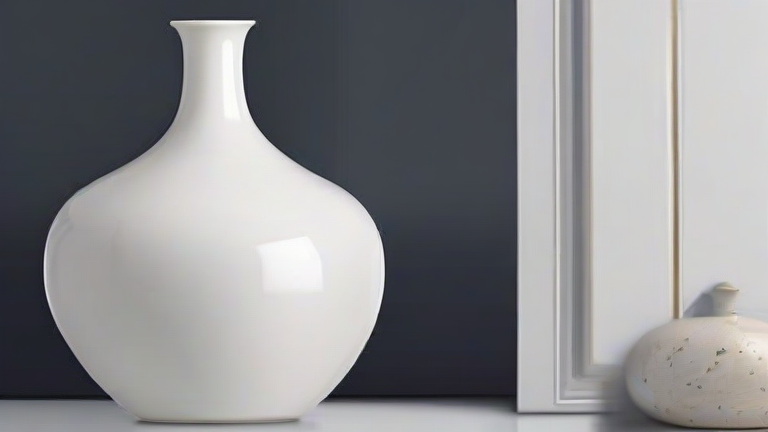
How to Care for Porcelain Vases: A Complete Cleaning & Repair Guide
TL;DR: Clean porcelain vases gently using warm water, mild dish soap, and a soft microfiber cloth to avoid scratching the glaze. For minor chips or cracks, use specialized porcelain repair kits with epoxy or super glue, ensuring the area is completely dry before application.
Understanding Porcelain Sensitivity
Porcelain is a high-firing ceramic known for its translucency, strength, and smooth finish. However, it is also susceptible to thermal shock and physical abrasion. Proper care extends the life of your vase and preserves its aesthetic value. Before beginning any cleaning or repair process, always inspect the piece for existing damage. Note any hairline fractures, loose chips, or areas where the glaze has worn away. This assessment dictates whether you should proceed with standard cleaning or pause for professional conservation.
If you want to dig deeper, check out our guide on Smart Tech for Porcelain Vases: Modern Innovations.
Step-by-Step Cleaning Instructions
Start by filling a basin with lukewarm water. Avoid hot water, as sudden temperature changes can cause porcelain to crack. Add a few drops of pH-neutral dish soap. Soak a soft, lint-free microfiber cloth or a cotton swab in the solution. Gently wipe the exterior surface of the vase, paying attention to areas where dust tends to accumulate, such as the rim and base. For interior cleaning, use a long-handled soft brush or a flexible pipe cleaner wrapped in cloth to reach the bottom without scratching the walls. Rinse the vase thoroughly with clean lukewarm water to remove all soap residue, which can leave a cloudy film. Finally, dry the vase with a clean, dry towel. Never place a wet porcelain vase on a cold surface, as this can induce stress fractures. Allow the piece to air dry completely before storing or displaying it.
Repairing Minor Damage
For small chips or cracks, clean the affected area with isopropyl alcohol to remove oils and dust. Ensure the surface is perfectly dry. Apply a tiny amount of clear-drying epoxy or specialized porcelain glue to the damaged spot. Press the pieces together firmly if reassembling, or smooth the adhesive over the chip. Wipe away excess immediately with a damp cloth. Let the repair cure for at least twenty-four hours before handling the vase. For larger breaks or valuable antiques, consult a professional conservator to prevent further damage and ensure structural integrity.
FAQ
Q: Can I use vinegar to clean my porcelain vase?
A: No, avoid acidic cleaners like vinegar or lemon juice, as they can etch the glaze and cause permanent dull spots on the surface.
Q: Is it safe to wash porcelain vases in the dishwasher?
A: Generally, no. The high heat and aggressive detergent can damage hand-painted details, gold accents, and delicate glazes. Hand washing is always safer.
Q: How do I prevent future cracks in my porcelain vase?
A: Avoid extreme temperature changes by not adding hot water to a cold vase. Also, handle the vase with both hands and avoid placing it on uneven or unstable surfaces to prevent accidental drops.
Leave a Reply