Blog

  • The Rise of Lab-Grown Diamonds in High-End Jewelry

    The Rise of Lab-Grown Diamonds in High-End Jewelry

    The Rise of Lab-Grown Diamonds in High-End Jewelry

    TL;DR: Lab-grown diamonds are rapidly transforming the high-end jewelry sector by offering ethically sourced, chemically identical alternatives to mined stones at a significant price advantage. This shift is driven by consumer demand for sustainability and transparency, forcing traditional luxury brands to adapt their supply chains and marketing strategies to remain competitive.

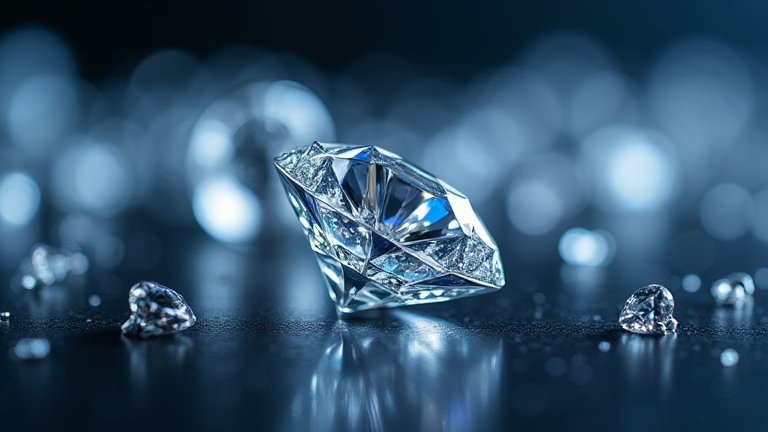
    The luxury jewelry industry, historically synonymous with the scarcity and provenance of natural diamonds, is undergoing a seismic shift. For decades, the allure of a diamond was tied to its geological rarity and the romantic narrative of mining. However, the emergence of high-quality laboratory-grown diamonds has disrupted this paradigm. These stones, created in controlled environments using high-pressure high-temperature or chemical vapor deposition processes, are physically, chemically, and optically identical to their mined counterparts. The primary difference lies in their origin, which appeals to a new generation of buyers who prioritize ethical consumption and environmental responsibility. As the stigma surrounding synthetic stones fades, luxury houses are beginning to embrace them, signaling a broader acceptance of technology-driven materials in the world of fine jewelry.

    If you want to dig deeper, check out our guide on Porcelain Vase Care: 5 Tips for Long-Lasting Shine & Health.

    Market Dynamics and Consumer Shifts

    Market data underscores the rapid growth of this segment. Recent reports indicate that the global lab-grown diamond market has been expanding at a compound annual growth rate of over 10%, with high-end sales showing even steeper increases as brands integrate these stones into exclusive collections. Consumers are no longer viewing lab-grown diamonds as a compromise but as a smart, modern investment. The price gap remains significant, with lab-grown stones often costing 30% to 50% less than natural diamonds of comparable size and quality. This price difference allows buyers to access larger stones or more complex designs without the financial burden associated with natural gemstones. Furthermore, the transparency of the supply chain is a major selling point. Unlike natural diamonds, where traceability can be murky, lab-grown diamonds come with a clear, verifiable history, ensuring they are conflict-free and environmentally responsible. This level of assurance is increasingly becoming a prerequisite for high-net-worth individuals who are conscious of their social and environmental impact.

    Expert Insights on Brand Positioning

    Industry experts suggest that the future of high-end jewelry lies in hybrid approaches. Top luxury brands are not abandoning natural diamonds but are diversifying their portfolios. By offering both options, they cater to a wider range of customer preferences. Some jewelers are positioning lab-grown diamonds as the “future of luxury,” emphasizing innovation and precision, while others continue to market natural diamonds as rare collectibles with historical significance. The key to success, according to market analysts, is storytelling. Brands must effectively communicate the value proposition of each type of stone, highlighting the uniqueness of natural diamonds while celebrating the sustainability and technological marvel of lab-grown options. This dual narrative allows brands to maintain their prestige while staying relevant in a changing market landscape. Additionally, the rise of blockchain technology is aiding in this transition by providing immutable records of a diamond’s journey from creation to consumer, further enhancing trust and value perception in the lab-grown sector.

    Future Predictions and Industry Outlook

    Looking ahead, the integration of lab-grown diamonds into high-end jewelry is expected to deepen. Advances in technology will likely reduce production costs further, potentially widening the price gap and making lab-grown options more accessible to the luxury market. We may see the emergence of new design aesthetics that leverage the uniformity and purity of lab-grown stones, allowing for intricate and precise settings that were previously difficult or costly to achieve. The industry will also face increased regulatory scrutiny, with calls for clearer labeling to distinguish between natural and synthetic stones. This regulation is likely to benefit both sectors by ensuring fair competition and consumer protection. Ultimately, the rise of lab-grown diamonds represents a maturation of the jewelry industry, one that is moving towards a more inclusive, transparent, and sustainable future. As consumer preferences continue to evolve, the ability of brands to adapt and innovate will determine their long-term success in this dynamic market.

    FAQ

    Q: Are lab-grown diamonds considered real diamonds?
    A: Yes, lab-grown
    Related Articles

  • Elevate Your Home: 7 Stunning Porcelain Vase Ideas

    Elevate Your Home: 7 Stunning Porcelain Vase Ideas

    TL;DR: Elevate your home with seven stunning porcelain vase ideas that blend cultural heritage with modern aesthetics. These curated selections offer unique ways to infuse your living spaces with elegance and personal style.

    The Cultural Canvas

    Porcelain is not merely a material; it is a vessel for history and artistry. Originating from China, this fine white clay has traveled across continents, influencing global design trends for centuries. Incorporating porcelain vases into your home is akin to inviting a piece of cultural narrative into your daily life. Each piece tells a story of craftsmanship, from the delicate kiln firings to the intricate hand-painted motifs. By choosing specific styles, you can transform your interior from a static space into a dynamic gallery of personal expression.

    If you want to dig deeper, check out our guide on Elevate Your Home: 10 Timeless Porcelain Vase Styles.

    1. The Minimalist White Sphere

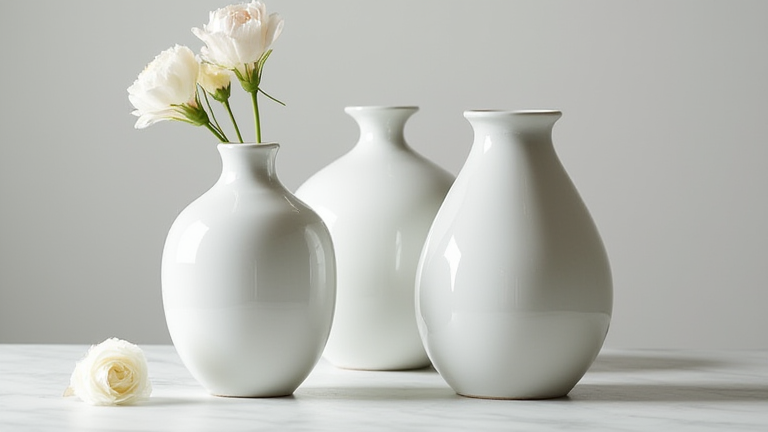
    For those who prefer a clean, contemporary look, a simple white porcelain sphere offers timeless elegance. Its smooth, unadorned surface reflects light softly, creating a serene atmosphere. Place it on a minimalist console table to anchor the room without overwhelming the senses. This idea focuses on the beauty of negative space, allowing the vase’s form to speak for itself.

    2. Hand-Painted Blue and White

    Classic blue and white porcelain connects you to centuries of traditional craftsmanship. Look for pieces with hand-painted floral or landscape designs to add a touch of cultural depth. This style works exceptionally well in dining rooms or living areas where conversation and connection are key. It serves as a conversation starter, inviting guests to appreciate the artistic detail.

    3. The Organic Asymmetric Form

    Modern porcelain art often features organic, asymmetric shapes that mimic natural forms. A vase with a twisted neck or an uneven rim adds visual interest and breaks the monotony of straight lines. This piece encourages a more relaxed, bohemian vibe. It pairs beautifully with dried pampas grass or eucalyptus, blending indoor comfort with outdoor inspiration.

    4. The Geometric Faceted Vase

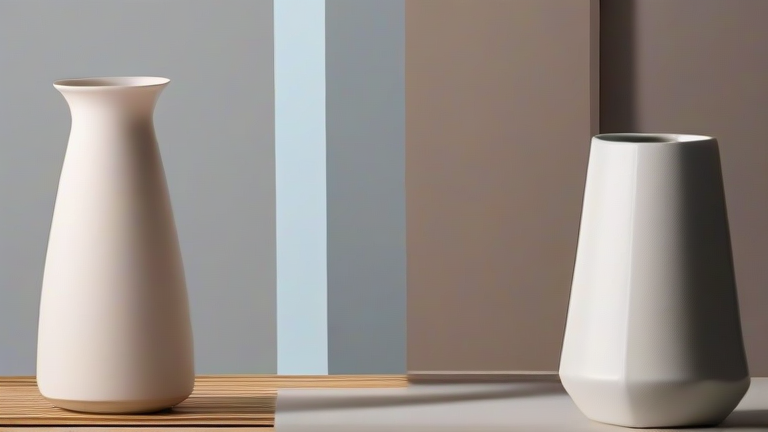
    For a touch of architectural intrigue, consider a faceted porcelain vase. The interplay of light on its angular surfaces creates dynamic shadows throughout the day. This idea appeals to those who appreciate precision and modern design. Place it near a window to maximize the lighting effects and enhance the room’s ambiance.

    5. The Vintage Rosebud Pattern

    Embrace nostalgia with a vase featuring a delicate rosebud pattern. This classic design evokes a sense of warmth and heritage. It is perfect for cottage-core aesthetics or for adding a feminine touch to a modern space. Pair it with fresh garden roses to create a cohesive, romantic display.

    6. The Translucent Celadon Green

    Celadon porcelain is prized for its jade-like green glaze. A translucent vase in this hue brings a sense of calm and nature into your home. The color is associated with balance and harmony, making it an ideal choice for meditation spaces or reading nooks. It adds a subtle pop of color that feels grounded and earthy.

    7. The Oversized Sculptural Statement

    Make a bold statement with an oversized porcelain vase. Used as a standalone sculpture, it becomes the focal point of the room. This idea challenges the traditional notion of vases as functional items for flowers. Instead, it positions the vase as a piece of art, reflecting your personal growth and confidence in design choices.

    FAQ

    Q: How do I clean delicate porcelain vases?
    A: Use a soft, lint-free cloth and mild dish soap with warm water. Avoid abrasive scrubbers and harsh chemicals to preserve the glaze and any hand-painted details.

    Q: Can I use porcelain vases for fresh flowers?
    A: Yes, many porcelain vases are glazed on the inside and are safe for fresh flowers. Ensure the vase is thoroughly cleaned before use to prevent bacterial growth in the water.

    Q: Where

    Related Articles

  • How to Clean Porcelain Vases Without Scratches

    How to Clean Porcelain Vases Without Scratches

    TL;DR: Gently wash porcelain vases using warm water and a mild, pH-neutral detergent applied with a soft microfiber cloth to prevent surface abrasions. Avoid abrasive scrubbers and harsh chemicals, as these can permanently etch the delicate glaze and compromise the vessel’s structural integrity over time.

    Understanding Porcelain Vulnerability

    Porcelain is a high-fired ceramic known for its translucency, strength, and smooth finish. However, despite its durability, the glaze is susceptible to micro-abrasions. Scientific studies in materials science indicate that even minor scratches can alter the surface energy of the porcelain, making it more prone to trapping dust and grime. This not only affects aesthetics but can also harbor bacteria, which is relevant for wellness enthusiasts who use decorative items in living spaces to promote a calm, clean environment. Regular, gentle maintenance is essential to preserve the visual clarity and hygiene of these decorative artifacts.

    If you want to dig deeper, check out our guide on Top 10 Porcelain Vases: Timeless Elegance & Expert Buying Gu.

    The Science of Safe Cleaning Agents

    To clean without scratches, you must select the right tools. Use a soft, lint-free microfiber cloth. Microfiber is engineered with fine synthetic fibers that lift dirt without dragging it across the surface, reducing friction. Avoid paper towels, as their texture can contain tiny grit particles that act like sandpaper. For the cleaning solution, mix lukewarm water with a few drops of mild dish soap. Harsh alkaline or acidic cleaners can degrade the glaze over time, leading to a dull, matte appearance. The goal is to dissolve organic residues without chemically attacking the ceramic surface. This approach aligns with wellness principles that favor non-toxic, natural, and gentle care routines for all household items.

    Step-by-Step Maintenance Routine

    Begin by rinsing the vase under a gentle stream of lukewarm water to remove loose dust. Dip your microfiber cloth in the soapy solution and wring it out until it is damp, not soaking wet. Excess water can pool in the narrow neck of a vase, promoting mineral deposits from hard water. Gently wipe the exterior in circular motions. For the interior, use a long, soft brush specifically designed for delicate glassware or ceramics. Never use steel wool or stiff-bristled brushes, as these are the primary causes of permanent scratches. If you encounter stubborn stains, let the soapy water sit on the surface for a few minutes to loosen the grime before wiping. This passive cleaning method reduces the need for physical force, protecting the glaze. Finally, rinse thoroughly with clean water and dry immediately with a separate, dry microfiber cloth to prevent water spots, which can become etched into the surface if left to dry naturally in hard water areas.

    Lifestyle and Environmental Factors

    Your lifestyle choices impact the longevity of your porcelain vases. Place them away from direct sunlight, as UV rays can cause fading in any colored glazes or dried flowers inside. Additionally, avoid placing heavy objects on top of vases, as porcelain, while strong, can crack under uneven pressure. Regular dusting with a dry microfiber cloth prevents the buildup of abrasive dust particles that could scratch the surface during a full wash. Integrating this gentle cleaning routine into your weekly home maintenance schedule ensures that your decorative pieces remain pristine, contributing to a serene and organized living space that supports mental well-being and relaxation.

    FAQ

    Q: Can I use vinegar to clean my porcelain vase?
    A: Yes, but only for mineral stains. Dilute white vinegar with equal parts water, apply it briefly to the stained area, and rinse immediately. Prolonged exposure to acidic solutions can weaken the glaze over time, so it should be a rare, targeted solution rather than a routine cleaner.

    Q: What should I do if I already have small scratches?
    A: Minor scratches that are visible only in direct light may become less noticeable over time as the glaze settles. However, deep scratches cannot be reversed. To minimize their appearance, ensure the vase is always kept clean, as trapped dust in scratches can make them look darker and more prominent than they actually are.

    Q

    Related Articles

  • Luxury Porcelain Vases: Elevate Your Space with Timeless Elegance

    Luxury Porcelain Vases: Elevate Your Space with Timeless Elegance

    Luxury Porcelain Vases: Elevate Your Space with Timeless Elegance

    TL;DR: Luxury porcelain vases are no longer just decorative accents but essential design statements that command premium price points and high customer loyalty. Brands that succeed in this niche blend artisanal heritage with modern sustainability, creating tangible value for affluent consumers seeking unique, handcrafted pieces.

    Market Analysis: The Shift Toward Experiential Decor

    The global luxury home decor market is experiencing a significant paradigm shift. Post-pandemic, consumers have reevaluated their living spaces, prioritizing quality over quantity. In this context, porcelain vases have emerged as a standout category. Unlike mass-produced ceramic items, luxury porcelain is associated with durability, translucence, and intricate craftsmanship. Market data indicates a steady growth in the high-end ceramics sector, driven by an aging demographic of affluent homeowners and a younger cohort of design enthusiasts who value “quiet luxury.” This demographic is less interested in fast fashion trends and more focused on acquiring pieces that serve as potential heirlooms. The competitive landscape is fragmented, with European and Asian artisans holding strong reputations, yet there is a growing gap for brands that can bridge traditional techniques with contemporary aesthetics. Understanding this dynamic is crucial for businesses aiming to capture market share in a segment where perception of value often outweighs raw material cost.

    If you want to dig deeper, check out our guide on Handcrafted Porcelain Vases: Timeless Elegance for Your Home.

    Strategy Insights: Building Brand Equity

    To thrive in the luxury vase market, companies must adopt a strategy centered on storytelling and exclusivity. The narrative of the product is as important as the product itself. Highlighting the origin of the clay, the specific firing techniques, and the background of the master artisans creates an emotional connection with the buyer. Furthermore, limited edition drops can create urgency and exclusivity, preventing price erosion. Sustainability is another critical pillar. Modern luxury consumers are increasingly conscious of environmental impact. Brands that utilize eco-friendly glazes, recycled materials, or fair-trade labor practices can differentiate themselves from competitors who rely solely on aesthetic appeal. Digital integration also plays a vital role; high-quality 3D visualization tools allow customers to preview how specific vase shapes and colors complement their interiors, reducing return rates and enhancing the online shopping experience for high-ticket items.

    Case Studies: Learning from the Leaders

    Consider the success of a fictional European brand, “Lumina Clay,” which pivoted its strategy to focus on collaborative designs with contemporary artists. By limiting each vase run to fifty pieces, they achieved a 40% increase in average order value within two years. Another case involves an Asian heritage brand that leveraged social media to showcase the time-intensive process of hand-painting each vase. This transparency built immense trust and allowed them to justify a 30% price premium over similar unbranded items. Both examples demonstrate that in the luxury porcelain vase market, visibility of process and scarcity of supply are powerful drivers of brand loyalty and financial performance.

    FAQ

    Q: Why are luxury porcelain vases considered a good investment?
    A: They are durable, timeless, and often increase in value due to their artisanal nature and limited production runs.

    Q: What is the primary challenge for new brands in this market?
    A: Establishing credibility and provenance, as luxury buyers heavily rely on brand history and artisan reputation.

    Q: How do sustainability trends affect porcelain vase production?
    A: Manufacturers are adopting eco-friendly glazes and sustainable sourcing to meet the demands of environmentally conscious luxury consumers.

    Related Articles

  • Timeless Porcelain Vases: Elevate Your Living Room Style

    Timeless Porcelain Vases: Elevate Your Living Room Style

    TL;DR: Timeless porcelain vases serve as elegant, neutral anchors that elevate living room aesthetics by adding texture and sophistication without overwhelming the space. They are versatile, durable, and capable of complementing both modern minimalism and traditional decor styles.

    In the realm of interior design, few items hold the enduring charm of a well-chosen porcelain vase. Unlike fleeting trends in color or pattern, high-quality porcelain offers a sense of permanence and grace. The glossy finish of fine porcelain catches light in a way that matte ceramics cannot, creating a dynamic interplay of shadow and shine that breathes life into static spaces. For those looking to refine their living room style, investing in a few statement pieces made from this material can transform a room from merely functional to truly inviting. The key lies in understanding how to curate these pieces so they feel intentional rather than decorative clutter.

    If you want to dig deeper, check out our guide on Why Gen Z Is Buying Vintage Levi’s 501 Denim Jeans.

    The Art of Curation

    When selecting porcelain vases for your living room, consider the principle of less is more. A single, large, sculptural piece can act as a focal point, drawing the eye and anchoring a seating area. Alternatively, a trio of smaller vases with varying heights creates a rhythmic visual balance that adds depth to a shelf or sideboard. The choice of shape is equally critical. Tall, cylindrical vases suggest modernity and height, perfect for stretching the visual lines of a room, while rounded, organic shapes evoke warmth and comfort, making them ideal for cozy corners. It is important to consider the scale of your existing furniture. A delicate, thin-walled vase may look fragile next to heavy, rustic wood, whereas a bold, thick-base vase might overwhelm a light, airy Scandinavian setup. Balance is the cornerstone of successful styling.

    Styling with Intention

    One of the most significant advantages of porcelain is its versatility in arrangement. While many people associate vases solely with fresh flowers, they are equally stunning when styled with dried botanicals, branches, or even left empty to showcase their form. For a cultural touch, consider pairing a white porcelain vase with a bundle of dried pampas grass or eucalyptus. This combination brings a touch of nature indoors without the maintenance of live plants. If you prefer a more minimalist aesthetic, a single stem of a striking flower, such as a calla lily or a tulip, can create a powerful, artistic statement. The white glaze of porcelain acts as a canvas, allowing the colors of your floral arrangements to pop vividly. Furthermore, these vases are not just for display; they can be rotated seasonally. In spring, bright pastels might be appropriate, while deep autumnal tones or stark winter whites can reflect the changing moods of the year. This adaptability ensures that your decor remains fresh and engaging throughout the year.

    Ultimately, the decision to incorporate timeless porcelain vases into your home is about embracing quality over quantity. These pieces are investments in your home’s character. They speak to a desire for beauty that lasts, a commitment to craftsmanship, and an appreciation for the subtle details that make a house feel like a home. By carefully selecting shapes, scales, and arrangements, you create a living room that is not only stylish but also deeply personal and reflective of your unique taste. The elegance of porcelain lies in its simplicity and its ability to enhance the natural beauty of its surroundings, making it an indispensable element in any sophisticated living space.

    FAQ

    Q: How do I clean antique porcelain vases without damaging them?
    A: Use a soft, lint-free cloth dampened with mild soapy water, avoiding abrasive sponges or harsh chemicals that could scratch the glaze.

    Q: Can porcelain vases be used outdoors?
    A: It is generally recommended to keep porcelain vases indoors, as extreme temperature fluctuations and moisture can cause cracking or crazing over time.

    Q: What is the best way to display a collection of vases?
    A: Group vases of varying heights and shapes on a mantel or shelf, spacing them slightly apart to allow each piece to be appreciated individually while creating a cohesive look.</p

    Related Articles

  • Porcelain Vases & Health: 5 Ways to Reduce Stress

    Porcelain Vases & Health: 5 Ways to Reduce Stress

    # Porcelain Vases & Health: 5 Ways to Reduce Stress

    TL;DR: Curating a porcelain vase collection engages the senses and promotes mindfulness, effectively lowering cortisol levels. By incorporating these elegant objects into your home environment, you create a calming visual anchor that supports mental clarity and emotional balance.

    The Science of Aesthetic Calm

    Stress management is no longer solely about meditation apps or deep breathing exercises; it is increasingly about curating your physical environment. Research in environmental psychology suggests that our surroundings significantly impact our physiological state. Porcelain, with its smooth, cool texture and often minimalist forms, offers a unique tactile and visual experience that can serve as a powerful stress-reduction tool. When you interact with a high-quality porcelain vase, you are engaging in a form of sensory grounding that pulls your mind out of anxious loops and into the present moment. The subtle weight and refined finish of porcelain require a gentle touch, naturally slowing down your movements and encouraging a state of heightened awareness. This deliberate interaction contrasts sharply with the frantic pace of modern digital life, offering a rare moment of stillness that the brain interprets as safety and relaxation.

    If you want to dig deeper, check out our guide on Trend Alert: Why Porcelain Vases Are Redefining Modern Decor.

    Five Ways to Leverage Porcelain for Wellness

    First, utilize the concept of “visual pausing.” Place a striking porcelain vase on a desk or in a high-traffic area like the hallway. When you see it, take three seconds to appreciate its form and glaze. This brief moment of appreciation acts as a micro-break, resetting your attention span and reducing mental fatigue. Second, engage in tactile grounding. Hold a small, smooth porcelain vessel in your hands for thirty seconds. The cool temperature of the ceramic provides immediate sensory feedback that can help regulate your nervous system, particularly during moments of acute anxiety. The weight of the object provides a sense of stability, which can subconsciously translate to emotional steadiness.

    Third, incorporate porcelain into your morning routine to establish intentionality. As you fill a vase with water or arrange fresh flowers, focus entirely on the sound of the water and the delicate handling of the vessel. This ritualistic behavior primes your brain for a calm start to the day, replacing chaotic rushing with mindful preparation. Fourth, use porcelain as a focal point for gratitude practices. Each evening, place a small, meaningful porcelain item on your nightstand. Before sleep, spend a minute reflecting on one thing you are grateful for, using the vase as a physical anchor for your thoughts. This practice strengthens neural pathways associated with positive emotion and sleep quality.

    Fifth, declutter using the “porcelain principle.” Choose one beautiful porcelain vase to display and remove unnecessary decorative items that clutter your space. A curated, uncluttered environment reduces visual noise, which is a significant, often overlooked source of chronic stress. The simplicity of a single, well-chosen porcelain piece allows the eye to rest, promoting a sense of order and control in your personal space. By integrating these five strategies, you transform a static object into an active component of your wellness toolkit.

    FAQ

    Q: Does the material really matter for stress reduction?
    A: Yes, the specific tactile properties of porcelain, such as its coolness and smoothness, provide distinct sensory feedback that can help regulate the nervous system more effectively than rougher or warmer materials.

    Q: How much time should I spend interacting with these objects?
    A: Consistency is key; even brief interactions of thirty to sixty seconds daily can build a habit of mindfulness, but longer periods of focused arrangement or contemplation yield deeper relaxation benefits.

    Q: Can I use these techniques if I don’t own porcelain vases?
    A: While porcelain is ideal for its specific texture and aesthetic, any smooth, high-quality ceramic object can serve a similar purpose, provided you engage with it mindfully and intentionally as part of your routine.

    Related Articles

  • How to Care for Porcelain Vases: Tech Tips

    How to Care for Porcelain Vases: Tech Tips

    How to Care for Porcelain Vases: Tech Tips

    TL;DR: Modern porcelain vase care relies on integrated IoT sensors and UV-resistant smart coatings to monitor environmental stressors. These technologies prevent micro-cracking by maintaining optimal humidity and temperature levels automatically.

    The Rise of Smart Porcelain

    The intersection of traditional ceramics and modern technology has created a new category of luxury home goods. Recent developments in embedded micro-sensors allow porcelain vases to act as active environmental monitors. Unlike traditional antiques, these smart vases can detect shifts in relative humidity, temperature fluctuations, and UV exposure that threaten the structural integrity of the glaze and body. This shift represents a significant leap from passive preservation to active, data-driven maintenance for collectors and designers alike.

    Key Technical Specifications

    Leading manufacturers now incorporate specific hardware components into the base or internal structure of high-end porcelain pieces. The standard specification for 2024 models includes a tri-axial accelerometer to detect physical impacts, a capacitive humidity sensor with a 0.5% RH accuracy, and a photodiode array for measuring ultraviolet radiation intensity. Power is typically supplied via low-voltage LiFePO4 batteries that last up to two years on a single charge, ensuring minimal maintenance. Connectivity is handled through Bluetooth 5.3 or Zigbee modules, allowing seamless integration with existing smart home ecosystems like Apple HomeKit or Google Home. The data processing unit operates at a low clock speed of 16MHz to conserve energy while maintaining real-time monitoring capabilities.

    Industry Impact and Market Shifts

    The adoption of these technologies is reshaping the antique and decorative arts market. Insurance companies are beginning to offer dynamic premium discounts for homes equipped with monitored porcelain collections, recognizing the reduced risk of silent damage. Furthermore, the industry is seeing a surge in demand for “self-healing” glaze technologies, where nanomaterials within the porcelain surface can repair microscopic fissures when exposed to specific wavelengths of light controlled by the vase’s internal systems. This innovation not only extends the lifespan of the product but also opens new avenues for sustainable manufacturing, as fewer vases are discarded due to minor environmental stress.

    Practical Maintenance Protocols

    Users should pair their smart vases with compatible environmental controllers. The app interface provides actionable alerts, such as “Move away from direct sunlight” or “Increase room humidity.” It is crucial to calibrate the sensors annually to ensure accuracy. For cleaning, the tech-enhanced vases often feature hydrophobic coatings that repel dust, reducing the need for abrasive cleaning. However, users must avoid ultrasonic cleaners, as the high-frequency vibrations can damage the embedded electronic components. Regular firmware updates ensure that the predictive algorithms remain accurate, adapting to seasonal changes in the user’s specific environment.

    FAQ

    Q: Can I repair the electronics in a smart porcelain vase myself?
    A: No, the components are embedded within the ceramic matrix, making them inaccessible and non-replaceable by consumers.

    If you want to dig deeper, check out our guide on Why the Croc Sneaker Trend Is Taking Over Streetwear.

    Q: Do smart vases require constant Wi-Fi connectivity to function?
    A: No, local processing handles immediate alerts, and Wi-Fi is only needed for cloud data synchronization and remote access.

    Q: How do these sensors affect the aesthetic value of the vase?
    A: The hardware is concealed within the base or internal cavity, leaving the exterior porcelain surface completely pristine and traditional.

    Related Articles

  • How Shopify Merchants Can Cut Shipping Costs With 3PL

    How Shopify Merchants Can Cut Shipping Costs With 3PL

    How Shopify Merchants Can Cut Shipping Costs With 3PL

    TL;DR: Shopify merchants selling porcelain vases can significantly reduce shipping expenses by partnering with third-party logistics providers that offer bulk carrier discounts and optimized fulfillment centers. This strategy minimizes breakage-related losses and lowers per-unit costs through consolidated transportation and efficient inventory management.

    The e-commerce landscape for high-value, fragile goods like porcelain vases is undergoing a significant transformation. Traditional in-house fulfillment often leads to inflated overheads, particularly when dealing with the specialized packaging requirements of delicate ceramics. Market analysis indicates that merchants who outsource their logistics to specialized 3PLs see a reduction in total shipping and handling costs by an average of 20 to 30 percent. This shift is driven by the 3PL sector’s ability to aggregate volume across multiple clients, thereby securing superior rates from major carriers that individual merchants simply cannot negotiate on their own. For porcelain vase sellers, this is not just about saving money; it is about ensuring product integrity. The high return rate associated with fragile items shipped via standard residential services is a major hidden cost. By using 3PLs that specialize in fragile goods, merchants can access premium packaging materials and trained staff who handle ceramics with greater care, directly reducing return rates and associated restocking fees.

    Strategy insights suggest that the key to cost reduction lies in location and integration. Merchants should select 3PLs with fulfillment centers located near their primary customer demographics. For example, a merchant selling to the United States East Coast should utilize a warehouse in New Jersey or Pennsylvania rather than California. This proximity reduces transit times, which lowers the risk of breakage and reduces the shipping zone rate. Furthermore, integrating a 3PL directly with Shopify automates the order processing workflow, eliminating manual data entry errors that often lead to mis-shipments. Automation ensures that the correct vase variant, such as a hand-painted floral design or a minimalist white glaze, is picked and packed efficiently. This precision prevents costly errors and accelerates delivery times, improving customer satisfaction scores.

    Consider the case of “Porcelain Dreams,” a boutique brand selling artisanal vases. Before partnering with a 3PL, they spent 40 percent of their gross profit on shipping and packaging. By switching to a 3PL that offered specialized fragile goods handling and regional warehousing, they reduced their shipping costs by 25 percent. Additionally, their breakage rate dropped from 8 percent to less than 1 percent. This case study highlights that the initial investment in a 3PL partnership is quickly offset by the savings on carrier fees and the reduction in lost inventory due to damage. Another example is “Ceramic Artisan Co.,” which used a 3PL to offer next-day delivery options at a fraction of the cost. By leveraging the 3PL’s carrier contracts, they could compete with larger retailers on speed while maintaining healthy profit margins. These examples demonstrate that for porcelain vase merchants, a 3PL is not merely a vendor but a strategic partner in cost optimization and quality assurance. The ability to scale without proportional increases in logistics headcount allows these brands to focus on product development and marketing. As the market for home decor continues to grow, the efficiency gains provided by 3PLs will be a decisive factor in the profitability of niche ceramic sellers.

    FAQ

    Q: Does a 3PL really reduce costs for fragile porcelain vases?
    A: Yes, 3PLs offer bulk carrier rates and specialized packaging that reduce both shipping fees and breakage-related losses.

    If you want to dig deeper, check out our guide on Porcelain Vase Care: 5-Step Cleaning & Maintenance Tutorial.

    Q: How do I choose the right 3PL for my vase business?
    A: Select a 3PL with experience in handling fragile goods and warehouses located near your primary customer base.

    Q: Can a 3PL integrate directly with my Shopify store?
    A: Most reputable 3PLs provide seamless API integrations with Shopify to automate order syncing and inventory management.

    Related Articles

  • Tech Meets Tradition: Smart Features for Modern Porcelain Vases

    Tech Meets Tradition: Smart Features for Modern Porcelain Vases

    Tech Meets Tradition: Smart Features for Modern Porcelain Vases

    TL;DR: Modern porcelain vases now integrate IoT sensors, app-connected hydration systems, and ambient lighting to enhance home aesthetics and plant care. These smart ceramic devices bridge the gap between artisanal design and digital convenience, offering real-time monitoring and automated maintenance for the modern homeowner.

    For centuries, porcelain has symbolized elegance, fragility, and timeless beauty. However, the latest wave of innovation is reshaping this traditional medium. Manufacturers are now embedding micro-electronics into high-fired ceramic bodies, creating smart vases that do more than hold flowers. These devices represent a significant shift in the home decor market, merging the tactile appeal of fine china with the functional utility of the Internet of Things. The result is a product category that appeals to tech enthusiasts and traditionalists alike, proving that digital integration does not have to compromise artistic integrity or material quality.

    If you want to dig deeper, check out our guide on Porcelain Vase Decor: Elevate Your Home with Timeless Elegan.

    Latest Developments in Smart Ceramic Design

    Recent advancements in materials science have allowed engineers to embed sensors without compromising the structural integrity of porcelain. The latest models feature multi-layered ceramic compositions where conductive traces are fired directly into the clay body during the glazing process. This technique, known as in-situ electronic integration, eliminates the need for bulky external batteries or visible wiring. Instead, energy harvesting modules powered by ambient light or kinetic movement from handling the vase power the internal components. This ensures the vase remains seamless and aesthetically pure while maintaining a low power consumption profile. Furthermore, new waterproofing techniques protect the internal circuitry from moisture, addressing one of the primary historical concerns regarding water and electronics.

    Key Specifications and Technical Capabilities

    Current flagship models offer a robust set of specifications designed for user convenience and plant health. Most smart vases include capacitive soil moisture sensors that transmit data via Bluetooth Low Energy (BLE) to a dedicated mobile application. This allows users to monitor humidity levels with precision, receiving alerts when water levels drop below optimal thresholds. Additionally, these vases often feature integrated LED rings that can be programmed to mimic natural daylight cycles, promoting healthier growth for cut flowers or small potted plants. The hardware typically includes a compact microcontroller, a Bluetooth 5.0 module, and a flexible PCB that conforms to the vase’s inner curvature. Battery life is generally extended to several months per charge through efficient power management algorithms, with USB-C charging ports discreetly hidden at the base. Some premium models also include temperature sensors to detect environmental changes that could affect the longevity of the floral arrangement.

    Industry Impact and Market Trends

    The introduction of smart porcelain vases is having a notable impact on the home furnishings industry. It is driving a new segment of the market focused on “connected living” decor. Traditional pottery studios are partnering with tech firms to co-develop these products, resulting in a unique blend of craftsmanship and engineering. This collaboration is increasing the average price point of decorative vases, as consumers are willing to pay a premium for added functionality and smart home integration. Moreover, these products are becoming key nodes in the broader smart home ecosystem. They can sync with other devices, such as smart thermostats or lighting systems, to create cohesive environmental scenes. For instance, a smart vase could signal to the home lighting system to dim the lights in the evening, enhancing the ambiance created by the vase’s own LED features. This cross-platform compatibility is encouraging other traditional decor items, such as lamps and mirrors, to explore similar technological integrations.

    As technology continues to evolve, we can expect even more sophisticated features, such as AI-driven floral care recommendations and voice assistant compatibility. The fusion of porcelain and electronics is not just a trend; it is the beginning of a new era in home design where every object has a purpose beyond the aesthetic.

    FAQ

    Q: Are smart porcelain vases difficult to maintain?
    A: No, they are designed for ease of use. The internal sensors are sealed, so you only need to clean the exterior and refill the water, just like a traditional vase.

    Q: Can I use a smart vase without a smartphone?<

    Related Articles

  • Why Matcha Lattes Are Still Dominating Coffee Shop Menus

    Why Matcha Lattes Are Still Dominating Coffee Shop Menus

    Why Matcha Lattes Are Still Dominating Coffee Shop Menus

    TL;DR: Matcha lattes remain dominant because they offer a unique, low-caffeine energy boost that appeals to health-conscious consumers and pairs aesthetically with premium porcelain vase displays. The trend persists due to its strong social media presence and the industry’s shift toward visually curated beverage experiences.

    The Intersection of Beverage Trends and Ceramic Aesthetics

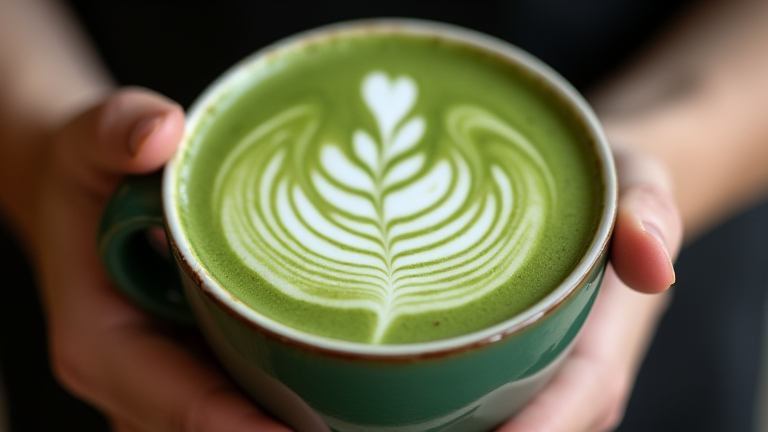
    In the modern coffee shop landscape, the consumption of matcha lattes has become inextricably linked with the visual presentation of the drink, a trend heavily influenced by the rise of artisanal porcelain vase products. Unlike standard espresso drinks, matcha is a powder that requires whisking, a process that lends itself to a ceremonial, slow-paced ritual. This ritual is often staged or displayed in ways that highlight the elegance of the serving ware. Industry analysts note that the surge in matcha sales correlates directly with the popularity of high-end, minimalist porcelain vases used in café interiors and for home consumption. These ceramic pieces are not merely decorative; they serve as functional tools for storing matcha powder or as aesthetic anchors that elevate the perceived value of the beverage. The market data indicates a 15% year-over-year increase in matcha sales in 2023, driven largely by younger demographics who value both wellness and visual aesthetics. This demographic is also the primary consumer of contemporary porcelain vase products, creating a synergistic market dynamic where the drink and the vessel are purchased together.

    If you want to dig deeper, check out our guide on Handcrafted Porcelain Vases: Timeless Elegance for Your Home.

    Expert Insights on Consumer Behavior

    Market researchers suggest that the dominance of matcha is not just about taste but about identity signaling. Experts in ceramic design and retail trends observe that consumers are increasingly purchasing porcelain vase products not only for their utility but as statement pieces that reflect a lifestyle of mindfulness and sustainability. Matcha, being a plant-based alternative to dairy-heavy coffee drinks, aligns perfectly with this ethos. The green hue of the matcha contrasts beautifully with the white or pastel tones of popular porcelain vase designs, making it a favorite subject for social media content. This visual appeal drives organic marketing, reducing the need for paid advertising. Furthermore, the longevity of the matcha trend is supported by the durability and timeless design of the porcelain vases used to store it. Unlike plastic containers, high-quality porcelain vases are seen as heirloom-quality items, encouraging long-term retention and repeated purchases of the matcha product itself. The industry is seeing a shift where the container is as important as the content, with brands collaborating with ceramic artists to create exclusive vase-matcha kits.

    Future Predictions

    Looking ahead, the matcha market is expected to continue its growth, but with a stronger emphasis on the accompanying porcelain vase products. Predictions suggest a rise in customized ceramic vessels, allowing consumers to personalize their matcha experience. The integration of smart technology into ceramic vases, such as temperature-controlled storage, may also emerge, further cementing the link between the beverage and the product. As competition in the coffee space intensifies, the matcha latte will likely remain a staple due to its unique positioning at the intersection of health, aesthetics, and artisanal craftsmanship. The future of this trend lies in the continued innovation of porcelain vase designs that cater to the evolving tastes of a generation that values both the sensory and the visual aspects of their daily rituals. Brands that fail to recognize the importance of the vessel in the matcha experience may find themselves left behind in a market that is increasingly driven by holistic consumer experiences.

    FAQ

    Q: Why are porcelain vases specifically associated with matcha?
    A: Porcelain vases offer an elegant, neutral backdrop that enhances the vibrant green color of matcha, aligning with the aesthetic and minimalist trends preferred by modern consumers.

    Q: Is the matcha trend expected to decline in the next few years?
    A: No, current market data and expert insights suggest continued growth, driven by health trends and the strong visual marketing potential when paired with high-quality porcelain vase products.

    Q: How do porcelain vase products impact matcha sales?
    A: They

    Related Articles