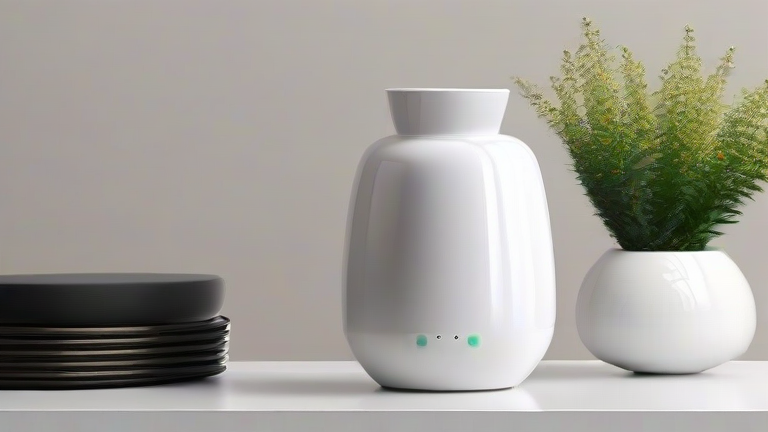
Smart Tech: How IoT Enhances Porcelain Vase Care
TL;DR: IoT sensors monitor micro-climates to prevent thermal shock and humidity damage to delicate porcelain. Real-time data analytics allow collectors to maintain optimal environmental conditions, significantly extending the lifespan of valuable ceramic pieces.
The Convergence of Tradition and Technology
The preservation of antique and modern porcelain vases has traditionally relied on static climate control systems. However, the latest developments in the Internet of Things (IoT) introduce dynamic, responsive care solutions. Porcelain is hygroscopic and sensitive to rapid temperature fluctuations, which can cause cracking or crazing. Newer smart home ecosystems now integrate dedicated environmental nodes designed specifically for high-value art and ceramics.
If you want to dig deeper, check out our guide on How to Care for Porcelain Vases: Step-by-Step Cleaning Guide.
Latest Developments and Specifications
Recent industry releases feature compact, non-invasive sensor arrays with a form factor under 5mm. These devices utilize capacitive humidity sensors with ±1.5% accuracy and precision thermistors capable of detecting temperature shifts as small as 0.1°C. Connectivity has shifted from proprietary hubs to Matter-over-Thread protocols, ensuring seamless integration with major smart home platforms. Battery life has improved to over 18 months via low-power wide-area network (LPWAN) technologies. For porcelain vases, these specs are critical because they allow for continuous monitoring without the need for frequent battery changes, which could disturb the item’s micro-environment.
Industry Impact and Practical Application
The impact on the art storage and insurance industries is profound. Insurers are beginning to accept real-time IoT data as proof of proper custody, potentially lowering premiums for high-value porcelain collections. Retailers of fine ceramics are bundling these sensors with premium vase purchases, creating a new service revenue stream for proactive maintenance alerts. For the individual collector, the ability to receive immediate notifications if a vase is exposed to draft or high UV levels prevents irreversible damage. This shift moves porcelain care from reactive repair to proactive preservation. By automating the adjustment of HVAC systems when a sensor detects a deviation from the ideal 45-50% relative humidity range, the technology ensures that the glaze and clay body remain stable. This level of precision is unattainable with manual checks, making IoT an essential tool for serious porcelain enthusiasts.
FAQ
Q: Do these sensors damage the porcelain vase?
A: No, the sensors are non-contact and designed to sit nearby, using infrared and capacitive methods that do not touch the ceramic surface.
Q: Can the system automatically fix humidity issues?
A: Yes, it can integrate with smart dehumidifiers or humidifiers to adjust the room environment automatically based on preset thresholds.
Q: Is the data secure?
A: Most modern devices use end-to-end encryption, ensuring that sensitive environmental data about your collection remains private and secure.
Leave a Reply