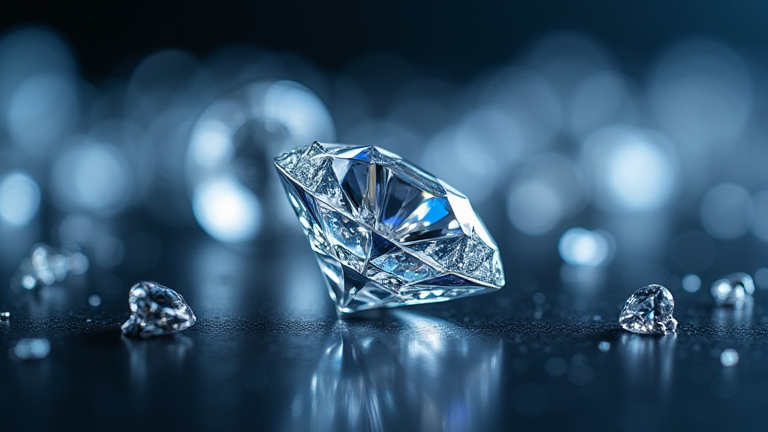
The Rise of Lab-Grown Diamonds in High-End Jewelry
TL;DR: Lab-grown diamonds are rapidly transforming the high-end jewelry sector by offering ethically sourced, chemically identical alternatives to mined stones at a significant price advantage. This shift is driven by consumer demand for sustainability and transparency, forcing traditional luxury brands to adapt their supply chains and marketing strategies to remain competitive.
The luxury jewelry industry, historically synonymous with the scarcity and provenance of natural diamonds, is undergoing a seismic shift. For decades, the allure of a diamond was tied to its geological rarity and the romantic narrative of mining. However, the emergence of high-quality laboratory-grown diamonds has disrupted this paradigm. These stones, created in controlled environments using high-pressure high-temperature or chemical vapor deposition processes, are physically, chemically, and optically identical to their mined counterparts. The primary difference lies in their origin, which appeals to a new generation of buyers who prioritize ethical consumption and environmental responsibility. As the stigma surrounding synthetic stones fades, luxury houses are beginning to embrace them, signaling a broader acceptance of technology-driven materials in the world of fine jewelry.
If you want to dig deeper, check out our guide on Porcelain Vase Care: 5 Tips for Long-Lasting Shine & Health.
Market Dynamics and Consumer Shifts
Market data underscores the rapid growth of this segment. Recent reports indicate that the global lab-grown diamond market has been expanding at a compound annual growth rate of over 10%, with high-end sales showing even steeper increases as brands integrate these stones into exclusive collections. Consumers are no longer viewing lab-grown diamonds as a compromise but as a smart, modern investment. The price gap remains significant, with lab-grown stones often costing 30% to 50% less than natural diamonds of comparable size and quality. This price difference allows buyers to access larger stones or more complex designs without the financial burden associated with natural gemstones. Furthermore, the transparency of the supply chain is a major selling point. Unlike natural diamonds, where traceability can be murky, lab-grown diamonds come with a clear, verifiable history, ensuring they are conflict-free and environmentally responsible. This level of assurance is increasingly becoming a prerequisite for high-net-worth individuals who are conscious of their social and environmental impact.
Expert Insights on Brand Positioning
Industry experts suggest that the future of high-end jewelry lies in hybrid approaches. Top luxury brands are not abandoning natural diamonds but are diversifying their portfolios. By offering both options, they cater to a wider range of customer preferences. Some jewelers are positioning lab-grown diamonds as the “future of luxury,” emphasizing innovation and precision, while others continue to market natural diamonds as rare collectibles with historical significance. The key to success, according to market analysts, is storytelling. Brands must effectively communicate the value proposition of each type of stone, highlighting the uniqueness of natural diamonds while celebrating the sustainability and technological marvel of lab-grown options. This dual narrative allows brands to maintain their prestige while staying relevant in a changing market landscape. Additionally, the rise of blockchain technology is aiding in this transition by providing immutable records of a diamond’s journey from creation to consumer, further enhancing trust and value perception in the lab-grown sector.
Future Predictions and Industry Outlook
Looking ahead, the integration of lab-grown diamonds into high-end jewelry is expected to deepen. Advances in technology will likely reduce production costs further, potentially widening the price gap and making lab-grown options more accessible to the luxury market. We may see the emergence of new design aesthetics that leverage the uniformity and purity of lab-grown stones, allowing for intricate and precise settings that were previously difficult or costly to achieve. The industry will also face increased regulatory scrutiny, with calls for clearer labeling to distinguish between natural and synthetic stones. This regulation is likely to benefit both sectors by ensuring fair competition and consumer protection. Ultimately, the rise of lab-grown diamonds represents a maturation of the jewelry industry, one that is moving towards a more inclusive, transparent, and sustainable future. As consumer preferences continue to evolve, the ability of brands to adapt and innovate will determine their long-term success in this dynamic market.
FAQ
Q: Are lab-grown diamonds considered real diamonds?
A: Yes, lab-grown
Leave a Reply