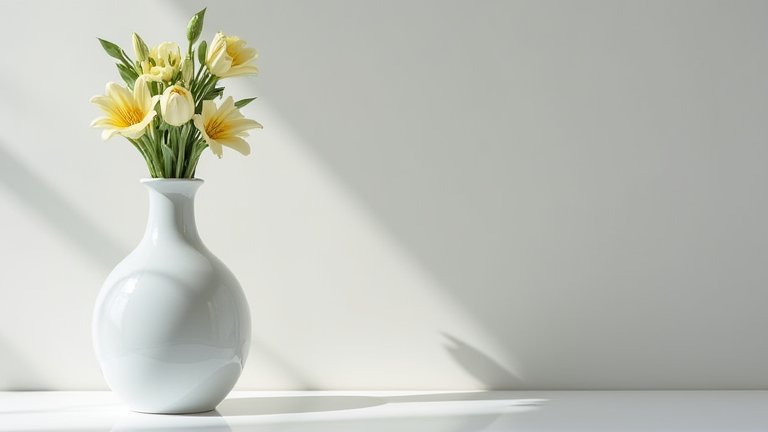
Porcelain Vase Care: 5-Step Cleaning & Maintenance Tutorial
TL;DR: Clean porcelain vases using lukewarm water and a mild, pH-neutral dish soap with a soft microfiber cloth or sponge. Dry immediately and store in a cool, dry place to prevent water spotting and preserve the glossy finish.
Porcelain vases are elegant centerpieces that require gentle handling to maintain their luster and structural integrity. Unlike glass, porcelain is a ceramic material that is strong yet susceptible to thermal shock and surface scratches. This guide provides a comprehensive approach to keeping your porcelain vase looking pristine for years to come. By following these five steps, you can ensure your decorative pieces remain flawless and free from permanent damage.
If you want to dig deeper, check out our guide on Premium Porcelain Vases: Buy Elegant Home Decor Online.
Step 1: Initial Inspection and Preparation
Before beginning any cleaning process, carefully inspect the vase for existing cracks, chips, or glaze wear. If you find significant damage, handle the vase with extreme caution or consider professional restoration, as cleaning solutions can seep into fractures and cause further issues. Remove any floral stems, leaves, or dried water minerals from the interior. If the vase is large, consider filling it with warm water to soften stubborn deposits before proceeding.
Step 2: Gentle Surface Cleaning
Fill a basin with lukewarm water and add a few drops of mild, pH-neutral dish soap. Avoid using abrasive cleaners, bleach, or vinegar, as these can etch the glaze or dull the surface. Dip a soft microfiber cloth or a non-abrasive sponge into the solution, wring it out so it is damp but not dripping, and gently wipe the exterior and interior surfaces. For intricate designs or narrow necks, use a soft-bristled toothbrush to reach tight spots. Never scrub vigorously, as this can create micro-scratches that diminish the vase’s shine.
Step 3: Addressing Stubborn Stains
If water spots or mineral deposits persist, create a paste using baking soda and a small amount of water. Apply the paste to the affected areas and let it sit for no more than five minutes. Gently buff the area with a soft cloth. Baking soda is mildly abrasive but safe for porcelain when used sparingly. Avoid letting the paste dry on the surface, as it can be difficult to remove and may leave a residue. Rinse the vase thoroughly with clean water to ensure no baking soda particles remain.
Step 4: Thorough Rinsing and Drying
Rinse the vase under a gentle stream of lukewarm water to remove all soap and cleaning agents. Ensure no residue remains in the interior or on the exterior, as leftover soap can attract dust. Immediately dry the vase with a clean, lint-free towel. It is crucial to dry porcelain completely to prevent water spots, which can become permanent etchings over time. For the interior, tilt the vase to let water drain out, and use a long-handled drying brush or a rolled-up towel to reach the bottom. Allow the vase to air dry for a few minutes in a well-ventilated area before storing.
Step 5: Proper Storage and Display
Store your porcelain vase in a cool, dry environment away from direct sunlight and heat sources. UV rays can fade painted designs or cause discoloration, while temperature fluctuations can lead to thermal shock and cracking. If displaying the vase with fresh flowers, change the water every two days and clean the vase weekly to prevent bacterial growth and algae. When not in use, store the vase upright on a stable surface. If stacking is necessary, place a soft cloth between vases to prevent contact damage. Avoid placing heavy objects on top of the vase, as porcelain can be brittle under pressure.
FAQ
Q: Can I use a dishwasher for my porcelain vase?
A: No, dishwashers are too harsh for delicate porcelain. The high heat, strong detergents, and tumbling action can cause cracks, chips, or glaze damage. Always hand wash your porcelain vase.
Leave a Reply