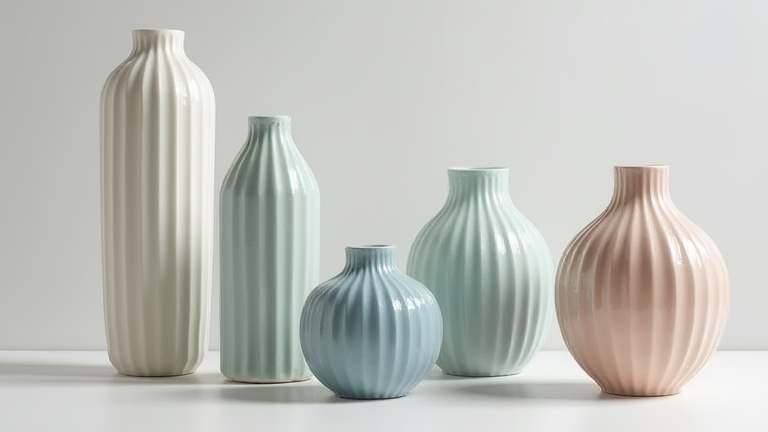
Tech in Porcelain Vases: 3D Printing & Digital Art Trends
TL;DR: Advanced 3D printing technologies are now capable of producing structurally sound, high-gloss porcelain vases with intricate digital art integrations. This convergence allows artists to realize complex geometric designs previously impossible through traditional wheel-throwing, significantly accelerating production cycles and expanding market possibilities.
The intersection of ceramic art and digital fabrication has reached a critical milestone. Historically, porcelain was limited by the physical constraints of human hands and kiln stability. Today, robotic 3D printing systems are reshaping the industry by enabling the creation of vases with unprecedented geometric complexity. The latest developments focus on improving the rheology of digital porcelain slurries, ensuring that the material flows consistently through fine nozzles without clogging, which is crucial for maintaining surface fidelity in high-resolution prints.
Recent breakthroughs in material science have introduced bio-based porcelain compounds that offer better adhesion between layers. This reduces the risk of delamination during the sintering process, a common failure point in traditional 3D-printed ceramics. Modern machines, such as those from leading industrial printers, now feature multi-axis robotic arms that can deposit material at speeds exceeding 150 millimeters per second. This speed increase allows for the production of a standard mid-sized vase in under four hours, a significant improvement over the twenty-hour cycles of earlier models. The resulting vases exhibit a uniform surface finish that requires minimal post-processing, reducing labor costs and waste.
The integration of digital art is another pivotal trend. Artists now use computational design software to generate parametric patterns that are directly mapped onto the vase’s surface. These patterns are not just decorative; they often serve structural purposes, reinforcing thin walls and creating visual depth through light refraction. The use of photorealistic rendering engines allows designers to preview the final glazed appearance before any material is used. This digital twin approach minimizes experimental errors and ensures that the final physical product matches the digital vision precisely. Furthermore, augmented reality applications are being developed to allow consumers to visualize how a specific 3D-printed porcelain vase would look in their home, enhancing the e-commerce experience for high-end decorative items.
The industry impact is profound. Traditional ceramic manufacturers are rapidly adopting these technologies to offer bespoke, mass-customized products. Small-batch production becomes economically viable, allowing for limited-edition collections that appeal to collectors and interior designers. The supply chain is also being streamlined; digital files can be transmitted globally, allowing a vase designed in Tokyo to be printed and sintered in Berlin using locally sourced porcelain clay. This decentralization reduces shipping emissions and supports local manufacturing ecosystems. However, challenges remain regarding the energy consumption of high-temperature kilns and the need for specialized technical skills to operate robotic printing systems. Training programs are emerging to bridge the gap between digital designers and ceramic engineers, ensuring that the workforce can manage these hybrid workflows effectively. As material costs decrease and machine reliability improves, 3D-printed porcelain vases are poised to become a staple in modern interior design, merging the timeless aesthetic of porcelain with the precision of digital technology.
FAQ
Q: What is the main advantage of 3D printing porcelain vases over traditional methods?
A: It enables the creation of complex, non-replicable geometric structures and allows for rapid prototyping of custom designs without the need for expensive molds.
If you want to dig deeper, check out our guide on Porcelain Vase Care: Step-by-Step Cleaning & Repair Tutorial.
Q: Can digital art be directly integrated into the physical structure of the vase?
A: Yes, computational algorithms can design structural patterns that serve both aesthetic and reinforcing functions, embedding digital art directly into the form of the object.
Q: How does this technology impact the cost of production for small businesses?
A: It reduces the barrier to entry by eliminating the need for large-scale mold investments, allowing small studios to produce high-quality, customized vases with lower initial capital expenditure.
Leave a Reply