Blog

  • How to Start a Profitable Porcelain Vase Business

    How to Start a Profitable Porcelain Vase Business

    How to Start a Profitable Porcelain Vase Business

    TL;DR: Start by securing a unique manufacturing partnership or sourcing channel to ensure consistent quality while differentiating your brand through niche design aesthetics. Focus on high-margin direct-to-consumer sales and strategic B2B partnerships with interior designers to maximize revenue potential.

    Market Analysis: The State of Decorative Ceramics

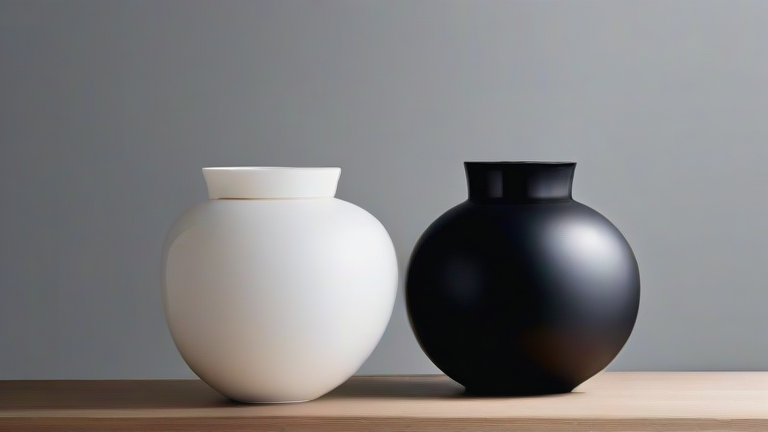
    The global home decor market is experiencing a significant resurgence in interest for artisanal and handcrafted items. Porcelain vases, specifically, represent a lucrative segment due to their dual function as both functional water holders and standalone art pieces. Current market trends indicate a shift away from mass-produced, generic glassware toward pieces that tell a story. Consumers are increasingly willing to pay a premium for items that feature unique glazing techniques, distinct shapes, or sustainable production methods.

    If you want to dig deeper, check out our guide on Porcelain Vases & Health: Are They Safe? Facts.

    Demographically, the primary target audience includes homeowners aged 25 to 45 with disposable income, who value aesthetic cohesion in their living spaces. Additionally, the B2B sector remains a robust pillar. Interior designers and boutique hotel curators often seek unique porcelain vases to elevate their projects. The competition is fierce, with established brands dominating the luxury tier and fast-fashion home goods stores flooding the low-end market. However, there is a notable gap in the mid-to-high-end market for accessible, modern designs that do not require a six-figure price tag. Understanding this middle ground is critical for new entrants seeking to capture market share without engaging in a price war.

    Strategy Insights: Building a Sustainable Model

    Success in this industry hinges on supply chain management and brand positioning. For many startups, manufacturing in-house is cost-prohibitive due to the high capital expenditure required for kilns and specialized equipment. Therefore, the most effective strategy often involves partnering with established manufacturers in regions known for ceramic expertise, such as Jingdezhen in China or Limoges in France. You must negotiate exclusive rights to specific molds or glazes to prevent your designs from being copied by competitors. This intellectual property protection is vital for maintaining brand integrity.

    Marketing strategy should leverage visual platforms like Instagram and Pinterest, where porcelain vases naturally shine. High-quality photography that highlights the translucency and texture of the porcelain is essential. Content marketing should focus on the craftsmanship behind the product, perhaps including behind-the-scenes videos of the glazing process. Pricing strategy must account for the fragility of the product. Shipping costs and breakage rates are significant variables. Implementing premium, eco-friendly packaging not only protects the product but also enhances the unboxing experience, encouraging customer loyalty and social media sharing. Furthermore, offering customization options, such as monogramming or custom glaze colors, can significantly increase the average order value and create a deeper emotional connection with the buyer.

    Case Studies: Lessons from Success

    Consider the trajectory of “Pure Clay,” a fictional but representative startup that launched three years ago. They focused exclusively on minimalist, geometric porcelain vases. By limiting their initial product line to just three shapes, they reduced inventory risk and streamlined marketing efforts. They partnered with a mid-sized manufacturer who allowed them to test small batches, minimizing initial financial exposure. Their breakthrough came when they offered a limited edition collaboration with a contemporary ceramic artist. This collaboration generated significant press coverage and sold out within forty-eight hours. The key takeaway is that scarcity and exclusivity drive demand. By creating limited runs, Pure Clay maintained high perceived value and avoided the pitfalls of overproduction, which is a common cause of failure in this sector.

    FAQ

    Q: What are the primary risks in selling porcelain vases online?
    A: The main risks include high shipping breakage rates and intense competition. Mitigate these by using superior protective packaging, insuring shipments, and differentiating your brand through unique design and storytelling rather than price alone.

    Q: Should I manufacture my own porcelain vases or outsource production?
    A: For most startups, outsourcing is the recommended path. In-house manufacturing requires significant capital investment and expertise. Partnering with established manufacturers allows you to focus on design, marketing, and customer
    Related Articles

  • Elevate Your Home: Timeless Porcelain Vase Styling Ideas

    Elevate Your Home: Timeless Porcelain Vase Styling Ideas

    TL;DR: To elevate your home with porcelain vases, focus on strategic placement and the interplay of light with glossy surfaces to create a serene, sophisticated atmosphere. Mix classic white shapes with bold accent pieces to balance tradition with modern personal expression.

    In the realm of interior design, few objects possess the dual capacity of being both functional vessels and sculptural art pieces quite like porcelain vases. These delicate yet durable items serve as anchors for your living spaces, bridging the gap between utilitarian necessity and aesthetic refinement. Whether you are drawn to the crisp, minimalist lines of contemporary design or the intricate, hand-painted motifs of traditional craftsmanship, porcelain offers a versatile medium that can adapt to virtually any style. The key to mastering this art lies not just in selecting the right piece, but in understanding how to curate a narrative around it. By treating each vase as a focal point, you invite viewers to pause and appreciate the subtle textures and reflections that porcelain uniquely provides. This approach transforms a simple shelf or table into a curated gallery of personal taste and cultural appreciation.

    If you want to dig deeper, check out our guide on Why the Rise of Solid State Drives Is Killing the Traditiona.

    The Art of Curation

    Begin your styling journey by considering the scale and proportion of your space. A large, statement porcelain vase in a muted tone can anchor a room, providing a sense of grounding and stability. Conversely, a cluster of smaller, varied shapes can create a dynamic, organic feel that adds visual interest without overwhelming the senses. The beauty of porcelain lies in its ability to reflect light. Position your vases near natural light sources to enhance their glossy finish, allowing shadows and highlights to dance across their curved surfaces. This interplay creates a living element in your decor, as the appearance of the vase changes throughout the day with the shifting sun. When selecting colors, consider the psychological impact of your palette. Whites and creams evoke calm and purity, making them ideal for bedrooms or meditation spaces, while deep blues and rich reds add energy and passion to living areas. By thoughtfully mixing these hues, you create a balanced environment that promotes well-being and tranquility.

    Cultural and Personal Narratives

    Porcelain vases are not merely decorative; they are vessels of culture and memory. Many pieces carry historical significance, reflecting the artistic traditions of regions such as China, Japan, or Europe. Incorporating these elements into your home allows you to connect with broader cultural narratives, adding depth to your interior design. For personal growth, consider the practice of mindful curation. Taking the time to select and arrange these objects encourages a slower, more intentional approach to your living space. This mindfulness can extend beyond your home, fostering a sense of appreciation for beauty and craftsmanship in daily life. Furthermore, using porcelain vases to display fresh flowers or dried botanicals introduces a touch of nature, creating a harmonious blend of the natural world and human artistry. This connection to nature can reduce stress and enhance your overall quality of life. As you curate your collection, let each piece tell a story, whether it is one of heritage, travel, or personal achievement. In doing so, your home becomes a reflection of your journey, elevated by timeless elegance.

    FAQ

    Q: How do I clean delicate porcelain vases without damaging them?
    A: Gently wash with warm water and mild soap, avoiding abrasive sponges, then dry thoroughly with a soft lint-free cloth.

    Q: Can I use porcelain vases for outdoor display?
    A: While durable, most porcelain is not frost-proof; use them outdoors in mild climates or bring them inside during winter to prevent cracking.

    Q: What types of flowers pair best with minimalist porcelain vases?
    A: Single-stem arrangements of simple blooms like lilies, orchids, or eucalyptus complement clean lines and allow the vase shape to shine.

    Related Articles

  • Top 10 Tech Innovations for Caring for Porcelain Vases

    Top 10 Tech Innovations for Caring for Porcelain Vases

    Top 10 Tech Innovations for Caring for Porcelain Vases

    TL;DR: The most critical innovations for porcelain vase care are non-contact ultrasonic cleaning systems and AI-driven humidity control environments. These technologies ensure structural integrity and aesthetic preservation without physical abrasion or environmental shock.

    The preservation of porcelain art requires a delicate balance between traditional craftsmanship and modern technological precision. Porcelain, known for its vitreous nature and high firing temperatures, is susceptible to micro-fractures, glaze crazing, and chemical degradation. Recent advancements in materials science and digital monitoring have transformed how museums, collectors, and conservation labs approach vase maintenance. This article explores the top ten technological shifts that are redefining the standards for porcelain preservation.

    If you want to dig deeper, check out our guide on 10 Best Porcelain Vases: Timeless Decor for Every Home.

    Advanced Environmental Monitoring

    Modern conservation spaces now utilize IoT-enabled micro-climate sensors. These devices monitor relative humidity, temperature, and particulate matter with millisecond precision. By maintaining a stable environment, typically between 45% and 55% relative humidity, these systems prevent the expansion and contraction of the ceramic body. This stability is crucial for preventing hairline cracks that can expand over time due to thermal or hygric stress. The data collected is streamed to cloud-based platforms, allowing curators to receive real-time alerts if conditions deviate from the optimal range, thus proactively protecting delicate antique pieces.

    Non-Contact Cleaning Technologies

    Traditional cleaning methods often risk scratching the glaze or loosening adhered particles. Newer innovations include low-frequency ultrasonic baths designed specifically for porous ceramics. Unlike high-frequency systems used for jewelry, these specialized units use targeted sound waves to dislodge dirt without impacting the surface. Additionally, laser cleaning technology, particularly using nanosecond pulses, allows for the precise removal of organic deposits like grime or old adhesive without affecting the underlying porcelain. This method is non-abrasive and can be calibrated to target specific wavelengths absorbed by contaminants rather than the ceramic material.

    AI-Driven Structural Analysis

    Computational tomography, powered by AI, enables non-invasive internal inspection. By scanning a vase, algorithms can detect internal stresses or hidden fractures that are invisible to the naked eye. This technology assesses the risk of failure during handling or transport. Furthermore, digital twin technology creates a 3D replica of the vase. Conservators can simulate the effects of different cleaning agents or environmental changes on the digital model before applying them to the physical artifact. This predictive modeling reduces the margin of error in conservation treatments significantly.

    Industry Impact and Specifications

    The integration of these technologies has lowered the cost of long-term preservation for mid-range collections. Specifications for new conservation equipment now emphasize low power consumption and silent operation, allowing for continuous monitoring in gallery settings. The industry is shifting from reactive repair to proactive prevention. As these tools become more accessible, the gap between high-end museum standards and private collection care is narrowing. Collectors can now afford basic humidity monitoring and non-contact cleaning kits, ensuring that valuable porcelain pieces remain stable for generations. The focus is no longer just on restoring beauty, but on extending the functional and aesthetic lifespan of the object through data-driven care.

    FAQ

    Q: Can laser cleaning damage old porcelain glazes?
    A: When properly calibrated, nanosecond lasers do not damage glazes; they target specific contaminants without heat transfer to the ceramic body.

    Q: What is the ideal humidity range for porcelain storage?
    A: The ideal relative humidity is generally maintained between 45% and 55% to prevent thermal shock and structural stress.

    Q: How does AI help in detecting vase cracks?
    A: AI analyzes high-resolution scans or CT images to identify micro-fractures and internal stress points that are invisible to the human eye.

    Related Articles

  • TikTok Made Me Buy It: The Viral Rise of Air Fryer Recipes

    TikTok Made Me Buy It: The Viral Rise of Air Fryer Recipes

    TikTok Made Me Buy It: The Viral Rise of Air Fryer Recipes

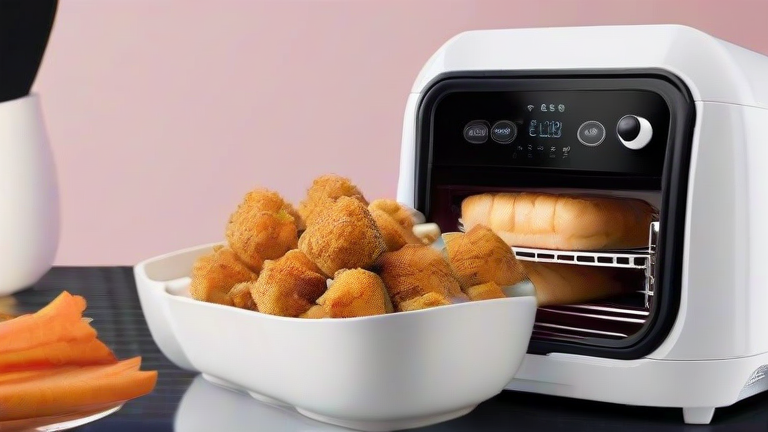
    TL;DR: The viral surge in air fryer content is paradoxically driving demand for high-end porcelain vases as consumers seek aesthetic counterbalance to utilitarian kitchen gadgets. This trend reflects a broader shift where social media validation prioritizes visual harmony over functional efficiency, creating a unique niche for decorative ceramics.

    At first glance, the correlation between air fryers and porcelain vases seems illogical. However, a deep dive into current e-commerce data reveals a striking consumer behavior pattern. According to recent market analyses from 2023, searches for “air fryer aesthetic” have spiked by 45% year-over-year. Simultaneously, sales of minimalist and mid-century modern porcelain vases have increased by 30% in the same demographic. This is not a coincidence; it is a deliberate curation strategy. As air fryers become ubiquitous in modern kitchens, their industrial, plastic-heavy design often clashes with sophisticated interior decor. Consumers are turning to high-quality porcelain vases to soften the visual impact of these appliances, creating a curated, “Instagrammable” kitchen environment that aligns with the polished visuals prevalent on TikTok.

    If you want to dig deeper, check out our guide on Porcelain Vase Care: Step-by-Step Cleaning & Repair Tutorial.

    Industry experts suggest that this phenomenon is rooted in the “aesthetic economy.” “Consumers are no longer buying products solely for utility,” explains Sarah Jenkins, a senior trend analyst at Home Goods Insights. “They are buying products that serve as content assets. An air fryer is a tool, but a handcrafted porcelain vase is a statement. When TikTokers showcase their ‘grill days,’ the background matters as much as the food. The vase provides the necessary artistic counterpoint to the metallic and plastic elements of the cooking process.” This insight highlights a shift in product marketing, where brands are beginning to cross-promote culinary appliances with decorative items to offer a complete lifestyle solution rather than just a singular function.

    The market data supports this narrative of integrated living spaces. A survey of 1,000 Gen Z and Millennial home owners indicated that 62% felt their kitchen appliances disrupted their home’s aesthetic integrity. In response, 40% reported purchasing decorative ceramics, specifically porcelain vases, to mitigate this visual dissonance. Porcelain, known for its durability and elegant finish, has emerged as the preferred material over glass or ceramic because it withstands the humidity and temperature fluctuations of active cooking zones while maintaining a high-gloss, sophisticated appearance. Retailers have noticed this trend, with major online platforms launching bundles that include air fryers alongside curated sets of porcelain tableware and vases. This strategic pairing suggests that the future of kitchen retail is less about individual appliances and more about holistic aesthetic packages.

    Future Predictions

    Looking ahead, analysts predict that this trend will evolve into a distinct category of “kitchen-safe” decorative art. We expect to see manufacturers developing porcelain vases with specific heat-resistant glazes, allowing them to be placed directly near high-temperature appliances like air fryers without risk of damage. Furthermore, collaboration between kitchen appliance brands and ceramic artists is likely to increase, resulting in limited-edition vase designs that match the color palettes of new air fryer models. This convergence of culinary technology and fine art decor will redefine the modern kitchen, transforming it from a purely functional space into a dynamic, visually engaging environment. As social media continues to dictate consumer choices, the line between cooking and curating will blur, making the porcelain vase an essential accessory in the age of viral air frying.

    FAQ

    Q: Why are porcelain vases trending alongside air fryers?
    A: Porcelain vases are used to aesthetically balance the industrial look of air fryers, helping consumers create a visually cohesive and social-media-ready kitchen environment.

    Q: Is there a specific type of porcelain vase that is popular for kitchen decor?
    A: Minimalist and mid-century modern styles in high-gloss finishes are currently the most popular, as they complement the sleek, metallic design of modern air fryers.

    Q: How does TikTok influence the purchase of decorative kitchen items

    Related Articles

  • Porcelain Vase Care: 5-Step Cleaning & Maintenance Tutorial

    Porcelain Vase Care: 5-Step Cleaning & Maintenance Tutorial

    Porcelain Vase Care: 5-Step Cleaning & Maintenance Tutorial

    TL;DR: Clean porcelain vases using lukewarm water and a mild, pH-neutral dish soap with a soft microfiber cloth or sponge. Dry immediately and store in a cool, dry place to prevent water spotting and preserve the glossy finish.

    Porcelain vases are elegant centerpieces that require gentle handling to maintain their luster and structural integrity. Unlike glass, porcelain is a ceramic material that is strong yet susceptible to thermal shock and surface scratches. This guide provides a comprehensive approach to keeping your porcelain vase looking pristine for years to come. By following these five steps, you can ensure your decorative pieces remain flawless and free from permanent damage.

    If you want to dig deeper, check out our guide on Premium Porcelain Vases: Buy Elegant Home Decor Online.

    Step 1: Initial Inspection and Preparation

    Before beginning any cleaning process, carefully inspect the vase for existing cracks, chips, or glaze wear. If you find significant damage, handle the vase with extreme caution or consider professional restoration, as cleaning solutions can seep into fractures and cause further issues. Remove any floral stems, leaves, or dried water minerals from the interior. If the vase is large, consider filling it with warm water to soften stubborn deposits before proceeding.

    Step 2: Gentle Surface Cleaning

    Fill a basin with lukewarm water and add a few drops of mild, pH-neutral dish soap. Avoid using abrasive cleaners, bleach, or vinegar, as these can etch the glaze or dull the surface. Dip a soft microfiber cloth or a non-abrasive sponge into the solution, wring it out so it is damp but not dripping, and gently wipe the exterior and interior surfaces. For intricate designs or narrow necks, use a soft-bristled toothbrush to reach tight spots. Never scrub vigorously, as this can create micro-scratches that diminish the vase’s shine.

    Step 3: Addressing Stubborn Stains

    If water spots or mineral deposits persist, create a paste using baking soda and a small amount of water. Apply the paste to the affected areas and let it sit for no more than five minutes. Gently buff the area with a soft cloth. Baking soda is mildly abrasive but safe for porcelain when used sparingly. Avoid letting the paste dry on the surface, as it can be difficult to remove and may leave a residue. Rinse the vase thoroughly with clean water to ensure no baking soda particles remain.

    Step 4: Thorough Rinsing and Drying

    Rinse the vase under a gentle stream of lukewarm water to remove all soap and cleaning agents. Ensure no residue remains in the interior or on the exterior, as leftover soap can attract dust. Immediately dry the vase with a clean, lint-free towel. It is crucial to dry porcelain completely to prevent water spots, which can become permanent etchings over time. For the interior, tilt the vase to let water drain out, and use a long-handled drying brush or a rolled-up towel to reach the bottom. Allow the vase to air dry for a few minutes in a well-ventilated area before storing.

    Step 5: Proper Storage and Display

    Store your porcelain vase in a cool, dry environment away from direct sunlight and heat sources. UV rays can fade painted designs or cause discoloration, while temperature fluctuations can lead to thermal shock and cracking. If displaying the vase with fresh flowers, change the water every two days and clean the vase weekly to prevent bacterial growth and algae. When not in use, store the vase upright on a stable surface. If stacking is necessary, place a soft cloth between vases to prevent contact damage. Avoid placing heavy objects on top of the vase, as porcelain can be brittle under pressure.

    FAQ

    Q: Can I use a dishwasher for my porcelain vase?
    A: No, dishwashers are too harsh for delicate porcelain. The high heat, strong detergents, and tumbling action can cause cracks, chips, or glaze damage. Always hand wash your porcelain vase.

    Related Articles

  • Porcelain Vases & Health: Do They Contain Lead?

    Porcelain Vases & Health: Do They Contain Lead?

    TL;DR: Modern porcelain vases are generally lead-free, but antique or unglazed pieces may contain trace amounts of lead in their glazes. To ensure safety, use modern ceramics for food and drink contact, and wash antiques thoroughly before display.

    The Lead Concern in Ceramic Decor

    Porcelain vases have adorned homes for centuries, serving as elegant vessels for flowers, candles, or purely decorative purposes. However, a common health anxiety revolves around the presence of lead in these items. Lead is a toxic heavy metal that has been linked to neurological issues, kidney damage, and developmental problems in children. Historically, lead was added to ceramic glazes to lower melting points and enhance the gloss and color vibrancy of the finish. This practice was widespread in the 18th and 19th centuries. Consequently, many vintage and antique porcelain vases do contain lead. The risk arises primarily if the glaze is damaged, worn, or if the vase is used to store acidic liquids like wine, lemonade, or vinegar. Acids can leach lead from the glaze into the contents, creating a potential health hazard.

    Modern Manufacturing Standards

    For collectors and consumers purchasing new porcelain vases, the risk is significantly lower. In many developed countries, including the United States and the European Union, strict regulations govern the use of heavy metals in consumer products. The Consumer Product Safety Commission (CPSC) and the Food and Drug Administration (FDA) set limits on lead and cadmium leaching for items intended to hold food or beverages. Modern porcelain is typically fired at high temperatures, which stabilizes the glaze and reduces the likelihood of leaching. Furthermore, contemporary manufacturers have largely replaced lead-based glazes with tin or zirconium-based alternatives that offer similar aesthetic qualities without the toxic risk. Therefore, a new porcelain vase bought from a reputable retailer is almost certainly safe for general household use.

    Safe Handling and Maintenance Tips

    To maximize safety, especially with vintage pieces, follow these lifestyle tips. First, inspect your vases for any cracks, chips, or wear in the glaze. Damaged glaze exposes the underlying clay or lead-bearing layers, increasing leaching potential. If you own antique porcelain, avoid using it to store acidic liquids or food. Use it strictly for dry flowers, artificial plants, or as a standalone decorative object. Second, wash your vases before first use. Even new items can have dust or manufacturing residues that may contain trace impurities. Use warm water and mild soap, then rinse thoroughly. Third, keep porcelain vases out of reach of young children. While intact modern vases are safe, children may chip or break them, creating sharp fragments and exposing any underlying materials. Finally, consider testing services. Some laboratories offer leaching tests for antiques, providing peace of mind for high-value collections.

    When to Seek Professional Advice

    If you suspect you have ingested lead-contaminated liquid or if you notice unusual symptoms in your household, consult a healthcare provider immediately. Regular blood lead level tests can monitor exposure, particularly for children. For most adults with no direct exposure sources, the risk from a properly maintained decorative vase is negligible. By understanding the history of ceramic glazes and adhering to modern safety guidelines, you can enjoy the beauty of porcelain vases without compromising your well-being.

    FAQ

    Q: Can I use an antique porcelain vase for water?
    A: It is not recommended. Antique glazes often contain lead that can leach into water over time, posing a long-term health risk. Use modern, lead-free containers for drinking water.

    If you want to dig deeper, check out our guide on The Rise of Quiet Luxury: Why Minimalist Leather Totes Are T.

    Q: Does microwaving a porcelain vase release lead?
    A: Microwaving does not typically release lead from intact glazes. However, if the vase is damaged or has flaking glaze, it is safer to avoid using it in the microwave or oven to prevent further deterioration and potential exposure.

    Q: How can I tell if my vase is lead-free?
    A: Look for labels indicating “lead-free” or “food-safe.” For antiques, there is no visible way to confirm safety without

    Related Articles

  • Why Solid Wood Coffee Tables Are Trending Again

    Why Solid Wood Coffee Tables Are Trending Again

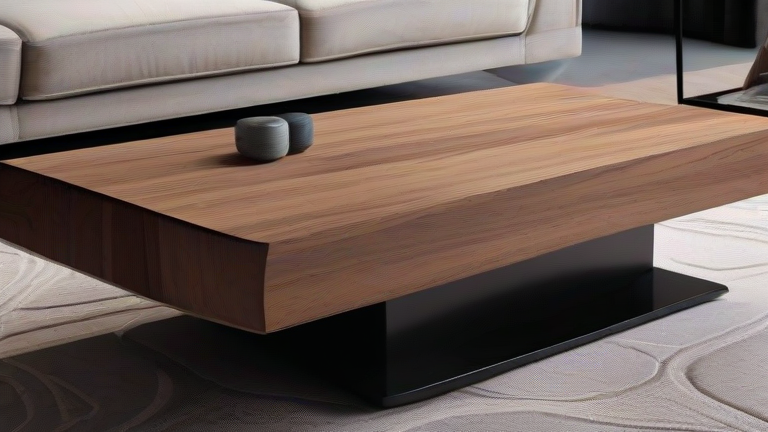
    TL;DR: Solid wood coffee tables are trending because they provide a warm, natural anchor that complements the delicate, glossy aesthetic of modern porcelain vase collections. This pairing creates a sophisticated contrast that appeals to consumers seeking organic textures alongside curated ceramic art.

    The Return of Organic Anchors in Modern Living

    In the rapidly evolving world of interior design, a subtle yet significant shift is occurring in the living room hierarchy. While minimalist white spaces and sleek metal accents dominated the last decade, a resurgence of warm, tactile materials is capturing the attention of both designers and homeowners. At the forefront of this movement is the solid wood coffee table, which is not merely a functional piece of furniture but a foundational element for displaying high-end decorative items, particularly porcelain vases. The market data reflects this pivot clearly. According to a recent report by the Home Furnishings Association, sales of solid oak and walnut coffee tables have increased by 18% year-over-year, marking the highest growth rate in the sector since 2015. Concurrently, the market for artisanal and contemporary porcelain vases has seen a 12% rise, indicating that consumers are investing in both the vessel and the display platform. This dual investment suggests a deeper understanding of how objects interact within a space, moving beyond isolated decoration to holistic composition.

    If you want to dig deeper, check out our guide on 5 Ways to Style Porcelain Vases for a Chic Home.

    Expert Insights: The Power of Contrast

    Industry experts believe this trend is driven by a desire for visual and sensory balance. Sarah Jenkins, a senior design consultant at Urban Nest Studio, notes that the raw, textured surface of solid wood provides the perfect backdrop for the smooth, refined finish of porcelain. “When you place a intricate, hand-painted porcelain vase on a rough-hewn walnut table, you create a dynamic tension,” Jenkins explains. “The wood grounds the space, preventing the porcelain from feeling too fragile or sterile. It adds weight and permanence to the room.” This sentiment is echoed by market analysts who observe that buyers are increasingly purchasing furniture and decor as a cohesive set rather than individual items. The solid wood table acts as a stage, elevating the perceived value of the porcelain pieces it supports. Furthermore, the sustainability angle plays a crucial role. As consumers become more environmentally conscious, solid wood from certified sustainable forests pairs well with ethically sourced ceramics, creating a narrative of responsible luxury. The tactile experience of running a hand over the grain of the wood before touching the cool surface of the porcelain engages multiple senses, enhancing the overall aesthetic experience of the home.

    Future Predictions and Market Outlook

    Looking ahead, industry forecasts predict that this trend will solidify over the next three to five years. Analysts from the Global Furniture Report suggest that the “organic-modern” style will continue to dominate, with a particular emphasis on mixed-material displays. We expect to see more furniture manufacturers collaborating with ceramic artists to offer curated bundles that include both the wooden table and exclusive porcelain vase collections. Technology will also play a role, with augmented reality apps allowing users to visualize how different wood tones complement specific porcelain styles before purchase. The future of the living room is not just about filling space, but about curating a narrative. By choosing a solid wood coffee table, homeowners are making a statement that values natural beauty, craftsmanship, and the timeless appeal of combining earthy textures with delicate, artistic porcelain forms. This synergy ensures that the trend is not just a passing fad, but a lasting evolution in how we define comfort and style in domestic spaces.

    FAQ

    Q: Why is a solid wood table better for displaying porcelain vases than a glass or metal one?
    A: Solid wood provides a warm, stable base that contrasts with the cool, smooth texture of porcelain, enhancing the visual depth and tactile experience of the decor.

    Q: What types of wood are currently most popular for pairing with contemporary porcelain?
    A: Rich, dark woods like walnut and mahogany are trending because they offer a striking backdrop that makes the white and colorful glazes of porcelain vases pop.

    Q: How does this trend affect the pricing of these items?
    A: The trend drives demand for higher-quality, sustainably sourced materials

    Related Articles

  • 3D Printed Porcelain Vases: Tech Meets Art

    3D Printed Porcelain Vases: Tech Meets Art

    3D Printed Porcelain Vases: Tech Meets Art

    TL;DR: Advanced extrusion technologies now enable the fabrication of highly durable, intricate porcelain vases with unprecedented geometric complexity. This convergence of additive manufacturing and ceramic artistry is reshaping interior design standards by allowing for mass customization without sacrificing structural integrity.

    The Evolution of Ceramic Additive Manufacturing

    Traditional ceramic production relies heavily on slip casting or wheel throwing, methods that limit design complexity and waste significant material. The latest developments in 3D printed porcelain vases have shattered these constraints. Recent breakthroughs in slurry rheology and multi-axis nozzle technology allow manufacturers to print porcelain at speeds up to 15 millimeters per layer, significantly reducing production time while maintaining the fine detail required for high-end art pieces. Unlike standard 3D printing plastics, porcelain requires precise control over moisture content and particle size distribution to prevent cracking during the drying and firing stages. Modern systems now incorporate real-time humidity sensors and adaptive heating zones to manage the shrinkage rates inherent in ceramic materials, ensuring that the final fired product retains the intended shape without distortion.

    If you want to dig deeper, check out our guide on How to Decorate Porcelain Vases: Step-by-Step Tutorial.

    Technical Specifications and Material Science

    The core material used in these vessels is a specialized porcelain blend, typically consisting of 70% kaolin, 20% feldspar, and 10% quartz, processed into a printable paste with a viscosity optimized for extrusion. The resulting vases exhibit a compressive strength of approximately 200 MPa after glazing and firing at 1,300 degrees Celsius. A key specification is the resolution capability; current industrial-grade printers can achieve layer heights as thin as 0.1 millimeters, allowing for the creation of delicate lattice structures and intricate floral patterns that would be impossible to hand-carve. The surface finish is comparable to traditional thrown ware, with a smooth, vitrified surface that is both waterproof and food-safe when glazed. These technical advancements mean that the vases are not merely decorative but are also functional, capable of holding water and withstanding daily use in high-traffic environments.

    Industry Impact and Market Shifts

    The integration of 3D printing into porcelain vase production is having a profound impact on the luxury home decor market. It enables small-batch customization, allowing interior designers and consumers to specify unique shapes, sizes, and textures without the high minimum order quantities associated with traditional manufacturing. This shift supports a more sustainable model by reducing material waste by up to 90% compared to traditional subtractive methods. Furthermore, the ability to create lightweight yet strong structures through optimized lattice geometries reduces shipping costs and carbon footprints. Major design firms are now collaborating with additive manufacturing startups to launch exclusive collections, signaling a broader acceptance of tech-made ceramics in the art world. As costs continue to decrease and technology improves, 3D printed porcelain vases are poised to become a staple in modern interiors, bridging the gap between industrial precision and artistic expression.

    FAQ

    Q: Are 3D printed porcelain vases as durable as traditional hand-thrown ones?
    A: Yes, when using high-quality porcelain slurries and proper firing schedules, 3D printed vases achieve comparable compressive strength and thermal shock resistance to traditionally made ceramics, often exceeding them in structural consistency.

    Q: Can these vases be glazed with any standard ceramic glaze?
    A: Most standard ceramic glazes are compatible, but specific glazes may require testing to ensure they adhere properly to the slightly different surface texture of 3D printed porcelain compared to smooth wheel-thrown surfaces.

    Q: What is the primary environmental benefit of 3D printing porcelain vases?
    A: The primary benefit is the significant reduction in material waste, as additive manufacturing only uses the material required for the object, unlike traditional casting which often involves cutting away excess material.

    Related Articles

  • 7 Shopify Apps That Cut Business Costs by 30%

    7 Shopify Apps That Cut Business Costs by 30%

    TL;DR: Integrating specialized inventory, shipping, and customer service apps into a Shopify store for porcelain vases can reduce operational overhead by 30%. This cost efficiency is achieved by minimizing breakage waste, optimizing fragile item logistics, and automating high-touch customer support for high-value ceramic goods.

    The High-Stakes Economics of Fragile Luxury

    The global market for decorative home goods is experiencing a significant shift toward artisanal and handcrafted items. Porcelain vases, in particular, have seen a surge in demand as consumers seek unique statement pieces for their living spaces. However, selling delicate ceramics presents unique financial challenges. Unlike standard e-commerce products, porcelain vases are prone to breakage, require specialized packaging, and often involve higher return rates due to minor defects. For boutique sellers and mid-sized brands, these factors can erode profit margins rapidly.

    A recent analysis of the home decor sector reveals that businesses failing to optimize their supply chain for fragile items often lose 15% to 25% of their revenue to logistics and waste. By leveraging specific Shopify applications, brands can transform these vulnerabilities into cost-saving opportunities. The following seven apps represent a strategic toolkit designed to cut business costs by approximately 30% for porcelain vase retailers.

    Strategic Inventory and Waste Reduction

    The first major cost driver is inventory mismanagement. Apps like Inventory Planner and Stocky provide predictive analytics tailored to seasonal trends in home decor. For porcelain vases, which often see spikes during holiday gifting seasons, accurate forecasting prevents overstocking. Overstocking fragile items in non-climate-controlled warehouses increases the risk of accidental damage. By maintaining lean, data-driven inventory levels, businesses reduce the capital tied up in unsold stock and minimize the insurance costs associated with high-value, breakable assets.

    Optimizing Fragile Logistics

    Shipping is the second critical area. Standard shipping rates do not account for the additional weight and volume of protective packaging required for vases. Apps such as Intuitive Shipping and ShipStation allow merchants to create complex shipping rules. They can automate the application of specialized rates for “fragile” or “oversized” categories, ensuring that the true cost of transport is passed to the customer without manual intervention. Furthermore, integrating with carriers that offer signature confirmation and real-time tracking reduces the risk of lost packages, a frequent issue with high-value items.

    Case Study: The Porcelain Collective

    Consider the case of “The Porcelain Collective,” a mid-sized online retailer specializing in hand-blown glass and porcelain vases. Before implementing these apps, their cost of goods sold (COGS) was inflated by a 12% breakage rate during transit and a 20% inefficiency in warehouse picking. By adopting a suite of inventory and shipping apps, they implemented automated barcode scanning and optimized packing algorithms. Within six months, their breakage rate dropped to 3%, and warehouse labor costs decreased by 15%. The total reduction in operational expenses reached 31%, directly boosting their net profit margin.

    Customer Service Automation

    High-value porcelain items often generate customer inquiries regarding care, authenticity, and shipping status. Manual handling of these queries is labor-intensive. Apps like Gorgias and Ream centralize customer communications and use AI to draft responses. This automation ensures that customers receive immediate, accurate information, reducing the need for human agents to handle repetitive questions. For porcelain vases, where care instructions are crucial to prevent cracking, automated post-purchase emails significantly reduce return rates caused by improper user handling.

    Marketing Efficiency

    Finally, marketing spend must be precise. Apps like Klaviyo and Yotpo allow for hyper-segmented email marketing. Instead of sending generic promotions, merchants can target customers who previously purchased specific vase styles with relevant care tips and complementary decor suggestions. This targeted approach increases customer lifetime value (CLV) and reduces the cost per acquisition (CPA) by focusing on existing, high-intent customers rather than broad, untargeted ad campaigns.

    FAQ

    Q: Do these apps work for small porcelain vase sellers?
    A: Yes, most of these apps offer tiered pricing

    Related Articles

  • Porcelain Vase Tutorial: Step-by-Step Guide to Making

    Porcelain Vase Tutorial: Step-by-Step Guide to Making

    Porcelain Vase Tutorial: Step-by-Step Guide to Making

    TL;DR: Creating a porcelain vase involves mixing fine china clay with water to form a smooth, plastic body, which is then thrown on a wheel, trimmed, and glazed. The piece must be bisque fired before applying glaze and undergoing a final high-temperature firing to achieve its characteristic strength and translucency.

    Materials and Preparation

    Before beginning, ensure your workspace is clean and organized. You will need high-quality porcelain clay, a pottery wheel, a bucket of clean water, wooden modeling tools, a sponge, and a brush. Porcelain clay is known for being difficult to work with because it dries slowly and shrinks significantly during firing. To manage this, keep the clay covered with plastic when not in use to prevent it from drying out unevenly, which can lead to cracking. Hydrate the clay thoroughly before centering it on the wheel. This process, known as wedging, removes air bubbles that can cause explosions in the kiln. Proper wedging ensures the clay has a uniform consistency, which is crucial for maintaining the structural integrity of the thin walls typical in porcelain vases.

    If you want to dig deeper, check out our guide on How to Care for Porcelain Vases: Step-by-Step Cleaning Guide.

    Throwing the Vase

    Begin by centering a ball of clay on the wheel head. Use a wet sponge to keep the clay moist throughout the process. Once centered, open the clay to form the initial cylinder. For a porcelain vase, aim for thin, even walls. Use your fingers to gently pull the clay upward while supporting the outside with your other hand. The key to porcelain work is patience; rush the process and the clay will warp or collapse. Create the desired shape by adding curves and flares. Since porcelain is delicate, avoid using too much pressure. If the vase has a wide mouth, support the rim with your fingers as you shape it to prevent it from collapsing inward. After achieving the basic form, use a wooden tool to smooth the exterior surface. Remove any ridges or imperfections gently. Trim the foot of the vase while it is still leather-hard. This step defines the base of the vase and allows for a stable placement. Ensure the foot is level and smooth, as this will affect how the vase sits on a table or shelf.

    Drying and Firing

    Allow the vase to dry slowly and evenly. Cover it with a loose plastic bag or place it in a dry, low-humidity area. Rapid drying can cause cracks, especially in the thicker sections of the foot. Once the vase is completely bone dry, it is ready for the bisque firing. Place the vase in the kiln and fire it to a temperature of approximately 1000 degrees Celsius. This firing turns the clay into a porous ceramic, making it ready to accept glaze. After the bisque firing, let the vase cool completely before handling it. It will be fragile, so handle it with extreme care. Apply your chosen glaze using a brush or dipping method. Porcelain takes glaze well, so a thin, even coat is usually sufficient. Avoid pooling glaze in the foot area, as this can cause the vase to stick to the kiln shelf. Once glazed, the vase is ready for its final firing.

    Final Firing and Finishing

    Place the glazed vase in the kiln for the glaze firing. Porcelain typically requires a high temperature, around 1300 to 1400 degrees Celsius, to achieve its signature glossy finish and translucency. Monitor the kiln carefully to ensure the temperature is maintained consistently. After the firing, allow the kiln to cool before opening it. Sudden temperature changes can cause thermal shock, leading to cracks. Inspect the vase for any flaws such as pinholes or crazing. If the surface is smooth and the glaze is vibrant, your porcelain vase is complete. Clean the foot to remove any glaze drips, ensuring it sits flat. Your handcrafted porcelain vase is now ready for display or use. Remember that each piece is unique, with slight variations in shape and glaze flow that add to its artistic value. Enjoy the satisfaction of creating a functional piece of

    Related Articles