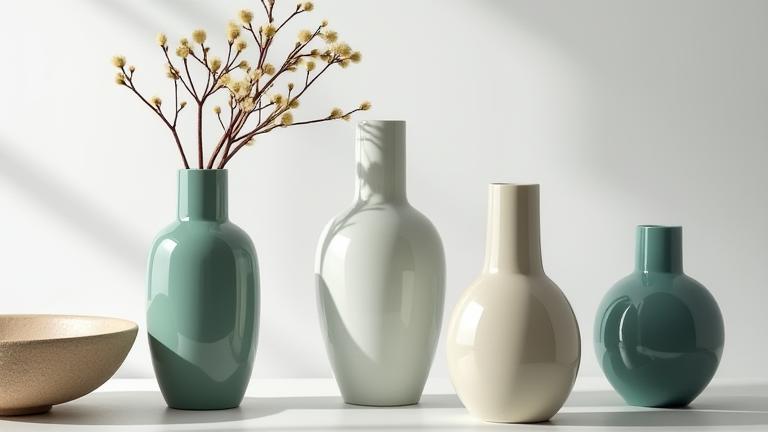
Porcelain Vase Care: 5 Tips for Long-Lasting Shine & Health
TL;DR: To maintain the luster and structural integrity of your porcelain vases, use only mild, pH-neutral cleaners and soft microfiber cloths for routine maintenance. Avoid abrasive materials and extreme temperature shocks to prevent micro-fractures that compromise the glaze over time.
Porcelain is a refined ceramic material known for its translucency and durability, but its delicate nature requires specific care to preserve its aesthetic value. Unlike stoneware, porcelain has a higher vitrification level, making it less porous but more susceptible to thermal shock. Understanding the science behind its composition helps you adopt habits that protect your investment. The glaze acts as a protective barrier, but if scratched or etched, the underlying clay can absorb stains. Therefore, proactive maintenance is essential for long-term health.
If you want to dig deeper, check out our guide on 3D Printed Porcelain Vases: Tech Meets Art.
5 Science-Backed Tips for Optimal Maintenance
1. Neutral pH Cleaning: Harsh alkaline or acidic cleaners can degrade the silica-based glaze over years. Use a drop of mild dish soap in lukewarm water. The science indicates that extreme pH levels accelerate the leaching of metallic oxides from the glaze, dulling the shine.
2. Microfiber Only: Abrasive sponges create microscopic scratches that scatter light, reducing reflectivity. Microfiber cloths are engineered to lift dirt without friction, preserving the smooth surface tension of the glaze. This simple lifestyle choice prevents the cumulative wear that makes porcelain look aged.
3. Thermal Shock Prevention: Rapid temperature changes cause the material to expand or contract unevenly. Never place a cold vase in hot water or vice versa. This thermal stress can lead to crazing, a network of fine cracks that weaken the structure and trap moisture, leading to potential mold growth in the interior.
4. Proper Storage: Porcelain is strong but brittle. Store vases in padded compartments to prevent impact. Vibration from nearby speakers or heavy foot traffic can also cause hairline fractures over time. A stable, quiet environment extends the lifespan of delicate handles or rims.
5. Deep Cleaning Protocol: For mineral deposits from hard water, use a diluted vinegar solution (1:10 ratio) for no more than five minutes. Immediately rinse with distilled water to stop the acid reaction. This removes calcium buildup without damaging the glaze, ensuring the water inside remains clear and the vase hygienic.
FAQ
Q: Can I put porcelain vases in the dishwasher?
A: No, the high heat and harsh detergents can cause thermal shock and degrade the glaze, leading to dullness or cracks.
Q: How do I remove stubborn stains from the interior?
A: Use a paste of baking soda and water, gently scrub with a soft brush, and rinse thoroughly with distilled water to neutralize the pH.
Q: Is it safe to use bleach on porcelain?
A: Avoid bleach, as its high alkalinity can etch the glaze over time; opt for oxygen-based cleaners for sanitization instead.
Leave a Reply