Blog

  • Porcelain Vase Restoration: A Step-by-Step Repair Tutorial

    Porcelain Vase Restoration: A Step-by-Step Repair Tutorial

    Porcelain Vase Restoration: A Step-by-Step Repair Tutorial

    TL;DR: To restore a broken porcelain vase, clean all shards thoroughly and use high-strength epoxy or specialized porcelain repair adhesive to reassemble the pieces. After the adhesive cures, sand the seam smooth and apply a color-matching ceramic paint or touch-up kit to hide the repair line for a seamless finish.

    Preparation and Cleaning

    Before beginning any restoration work, ensure your workspace is clean, well-ventilated, and free from dust. Gather all necessary materials, including isopropyl alcohol, lint-free cloths, fine-grit sandpaper, and the appropriate adhesive. The first critical step is to clean every fragment of the vase. Use a damp cloth to remove surface dirt, then wipe each piece with isopropyl alcohol to eliminate oils and grease. This step is vital because any residual oil or dust will prevent the adhesive from bonding properly, leading to a weak repair that may fail under stress. Allow the fragments to dry completely before proceeding to the next stage.

    If you want to dig deeper, check out our guide on Elevate Your Home: 7 Chic Ways to Style Porcelain Vases.

    Assembling the Fragments

    Once the pieces are dry, arrange them in their original configuration on a protective surface. This dry fit test allows you to identify any missing chips and ensures the alignment is correct before applying adhesive. Start with the largest sections, working your way toward smaller fragments. Apply a thin, even layer of high-strength epoxy or dedicated porcelain repair adhesive to one side of the break. Press the pieces together firmly, holding them in place for the time specified by the manufacturer. Use clamps or strong masking tape to secure the joints while the adhesive sets. Be careful not to squeeze out excess glue, as this can create visible lumps that are difficult to remove later. If a small chip is missing, fill the void with putty designed for ceramic repairs before attaching the main sections.

    Finishing and Camouflage

    After the adhesive has fully cured, which may take twenty-four to forty-eight hours depending on the product, inspect the seam. Use fine-grit sandpaper, typically 400-grit or higher, to gently sand down any excess adhesive or putty until the surface is flush with the rest of the vase. Wipe away all dust with a clean, damp cloth. The final step is to hide the repair line. Use a ceramic paint marker or a specialized touch-up kit that matches the original color of the porcelain. Apply the paint sparingly over the seam, blending it into the surrounding area. For glossy finishes, you may need to apply a clear ceramic glaze and cure it in an oven or use a cold-cure varnish. This step restores the aesthetic integrity of the vase, making the repair nearly invisible to the casual observer.

    FAQ

    Q: Can I use super glue on a porcelain vase?
    A: Super glue is generally not recommended for structural repairs because it becomes brittle and yellow over time, making the repair visible and prone to failure. Use a flexible, high-strength epoxy instead.

    Q: How long should I wait before using the restored vase?
    A: Wait at least forty-eight hours for the adhesive to reach full strength. If using a ceramic paint finish, follow the specific drying or curing times listed on the product label before handling the vase.

    Q: Is the restored vase safe for holding water?
    A: Most modern epoxies are water-resistant, but they are not perfectly waterproof. It is best to use the restored vase for dry display purposes rather than as a functional flower holder to prevent potential leaks.
    Related Articles

  • How to Make Porcelain Vases: Step-by-Step Ceramic Tutorial

    How to Make Porcelain Vases: Step-by-Step Ceramic Tutorial

    TL;DR: To make porcelain vases, you must center, pull up, and shape high-quality porcelain clay on a wheel before bisque firing and glazing. This process requires patience, precise water management, and strict temperature control to achieve the signature translucent, white finish of authentic porcelain.

    Preparation and Materials

    Begin by selecting a premium porcelain clay body. Unlike earthenware or stoneware, porcelain is highly refined and contains kaolin, feldspar, and quartz. It is notoriously difficult to work with because it is stiff when dry and extremely slippery when wet. Prepare your workspace by ensuring your pottery wheel is calibrated for speed. You will need a sponge with a controlled water flow, a needle tool for scoring, and a rib for smoothing. Remember that porcelain shrinks significantly more than other clays, often by twenty to twenty-five percent during firing. Therefore, your raw vase must be larger than the final desired size. Soak your clay in water for several hours to ensure uniform plasticity. If the clay is not evenly hydrated, the vase will crack during the drying process. Roll the clay into a ball the size of a large cantaloupe for a standard vase. This size provides enough mass to pull up the walls without collapsing under its own weight. Keep a bucket of clean water nearby, but avoid soaking the clay excessively, as porcelain becomes treacherously slick.

    If you want to dig deeper, check out our guide on How to Clean Porcelain Vases Without Scratches.

    Shaping the Vase

    Center the clay firmly on the wheel head. Apply steady, downward pressure with one hand while rotating the wheel with the other. For porcelain, centering is the most critical step. If the clay is off-center, the thin walls will wobble and collapse. Once centered, poke a hole with your fingers to a depth of four inches. Use a rib to smooth the interior and exterior. Now, begin pulling up the walls. Keep your hands submerged in the clay mass and pull upwards slowly. Porcelain has very little memory, so you must support the exterior with one hand while pulling the interior with the other. The walls should be thin, aiming for a thickness of about six millimeters. Thicker walls will result in a heavy, opaque vase, defeating the purpose of porcelain. As you reach the rim, use a sponge to dampen the surface. This prevents the rim from cracking as it dries unevenly. Shape the foot of the vase by trimming the excess clay from the bottom. Ensure the foot is even and stable. Use a needle tool to score the base, which helps prevent glaze from sticking to the wheel during firing. The entire shaping process should be completed in one session to prevent the clay from drying out and becoming unworkable. Work quickly but with extreme care, as porcelain is unforgiving of mistakes.

    Drying and Firing

    Once shaped, the vase must dry slowly and evenly. Cover it with a plastic bag for the first few days to prevent rapid surface drying. Move it to a draft-free area. Cracking is common, so monitor the vase closely. When bone dry, bisque fire it at a low temperature, around 1800 degrees Fahrenheit. This makes the piece porous and ready for glaze. After glazing, which should be applied in a thin, even layer, fire the vase at high heat, approximately 2300 degrees Fahrenheit. This high temperature vitrifies the porcelain, making it waterproof and translucent. The result is a delicate, elegant vase that showcases the beauty of the material.

    FAQ

    Q: Why does my porcelain vase crack during drying?
    A: Uneven drying rates cause stress. Ensure the vase is covered to slow evaporation and that the clay was thoroughly wedged to remove air bubbles before shaping.

    Q: What is the ideal firing temperature for white porcelain?
    A: Most white porcelain requires a high-fire temperature between 2260 and 2300 degrees Fahrenheit to achieve full vitrification and a glossy, non-porous surface.

    Q: Can I use porcelain for small, thin-walled vases?
    A: Yes, but it

    Related Articles

  • Porcelain Vase Business: 7 Profitable Ideas

    Porcelain Vase Business: 7 Profitable Ideas

    TL;DR: The porcelain vase market thrives on blending traditional craftsmanship with modern sustainability trends, targeting high-net-worth collectors and eco-conscious interior designers. Success hinges on niche specialization, such as custom corporate branding or upcycled art pieces, rather than competing on mass-market volume.

    The global ceramics market is experiencing a significant resurgence, driven by a consumer desire for tangible, high-quality home decor items. Porcelain vases, in particular, have moved beyond simple functional vessels to become statement pieces that reflect personal style and cultural appreciation. Current market analysis indicates that the luxury home decor sector is growing at a compound annual growth rate of 4.5%, with porcelain leading in premium segments. Buyers are increasingly willing to pay a premium for artisanal quality, unique glazing techniques, and sustainable production methods. This shift creates a lucrative opportunity for businesses that can differentiate themselves through storytelling and exceptional quality control.

    If you want to dig deeper, check out our guide on Handcrafted Porcelain Vases: 10 Timeless Designs for Your Ho.

    Strategy Insights for Market Entry

    To thrive in this competitive landscape, businesses must adopt a multi-faceted strategic approach. First, focus on material innovation. Using recycled porcelain or local clay sources can appeal to the growing demographic of environmentally conscious consumers. Second, leverage digital channels for direct-to-consumer sales. Social media platforms like Instagram and Pinterest are crucial for showcasing the aesthetic appeal of porcelain vases, allowing brands to build a community around their craft. Third, consider collaboration with interior design firms. Providing custom vase lines for specific design projects can secure high-volume orders and establish brand credibility in professional circles.

    Case Studies in Success

    Consider the case of “Clay & Cloud,” a boutique studio that pivoted from selling standard white vases to creating hand-painted, nature-inspired pieces. By emphasizing the artist’s story and the unique imperfections of each piece, they increased their average order value by 60% within one year. Another example is “EcoCeramic,” which partnered with local recycling facilities to create vases from reclaimed porcelain shards. This innovative approach not only reduced waste but also attracted press coverage from sustainability-focused media, resulting in a 40% increase in organic traffic to their online store. These cases demonstrate that innovation in sourcing and storytelling can significantly impact profitability.

    Profitable ideas extend beyond retail. One idea is offering custom corporate gift sets, where vases are engraved with company logos or tailored to specific brand colors. This B2B segment often provides higher margins and repeat business. Another idea is creating limited-edition collections tied to cultural events or seasons, generating urgency and exclusivity. A third strategy involves hosting workshops where customers can learn to glaze or paint their own vases, creating an experiential revenue stream. Additionally, developing a subscription model for seasonal vase collections can ensure recurring revenue. Finally, partnering with local artisans for collaborative pieces can expand your brand reach and appeal to collectors seeking unique collaborations. These seven ideas, when executed with precision and attention to quality, can transform a small porcelain business into a thriving enterprise.

    Understanding the nuances of the porcelain vase market is essential for long-term success. By focusing on niche markets, sustainable practices, and strong brand storytelling, businesses can capture significant market share. The key is to remain agile and responsive to changing consumer preferences while maintaining the high standards expected in the luxury decor sector. As the demand for authentic, handcrafted goods continues to rise, the potential for growth in this industry remains robust and promising.

    FAQ

    Q: What is the primary target audience for high-end porcelain vases?
    A: The primary audience includes high-net-worth individuals, interior designers, and art collectors who value craftsmanship and exclusivity.

    Q: How can a new business differentiate itself in the porcelain market?
    A: Differentiation can be achieved through unique glazing techniques, sustainable sourcing, and strong brand storytelling that highlights the artisanal process.

    Q: Is it profitable to sell porcelain vases online only?
    A: Yes, online-only models are profitable due to lower overhead costs, but success depends on high-quality visuals and effective digital marketing strategies.

    Related Articles

  • Why the Dyson V15 Detect Vacuum Is Worth the Hype

    Why the Dyson V15 Detect Vacuum Is Worth the Hype

    Why the Dyson V15 Detect Vacuum Is Worth the Hype

    TL;DR: The Dyson V15 Detect is the only vacuum that truly understands the fragile beauty of porcelain vases by combining powerful suction with gentle, precision cleaning. It safeguards delicate ceramic surfaces while removing the dust that accumulates in their intricate, hard-to-reach crevices.

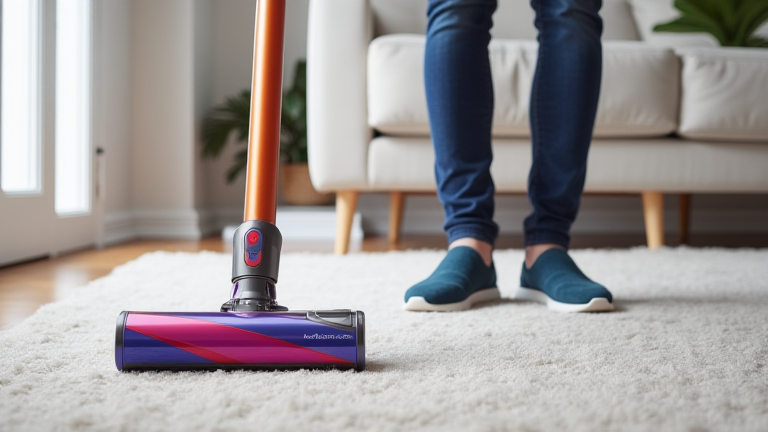
    When discussing high-end home goods, porcelain vases often take center stage. These delicate pieces require more than just a casual dusting; they demand a cleaning solution that respects their fragility while ensuring no debris remains. The Dyson V15 Detect emerges as the superior choice for enthusiasts who appreciate the artistry of porcelain. Unlike standard vacuums that might scratch or blow dust into the glaze, the V15 utilizes a laser-driven head that illuminates fine dust. This is crucial for porcelain, where even the smallest speck of dirt can mar the visual impact of a hand-painted design. The laser allows you to see exactly where you are cleaning, ensuring that the base of a delicate vase or the interior rim is spotless without aggressive contact.

    If you want to dig deeper, check out our guide on Why Porcelain Vases Are a Timeless Investment for Your Busin.

    Feature highlights specifically benefit porcelain owners. The piezo sensor counts and sizes particles in real-time. When cleaning around a porcelain vase, you can switch to the mini motorized tool, which is safe for delicate surfaces. This tool effectively removes dust from the base of the vase without the risk of tipping or scratching. Furthermore, the HEPA filter captures 99.99% of particles as small as 0.3 microns. For those who store porcelain vases in open shelving units, this means that the air in your room is purified, preventing dust from settling back onto your collection. The anti-tangle hair removal technology is also beneficial, as it prevents long fibers from getting stuck on the nozzle, which could otherwise snag on the handles of a vase.

    Compared to competitors, the V15 stands out in its approach to delicate items. While many vacuums focus solely on carpets, the V15 offers a complete ecosystem for mixed surfaces. It is significantly better than a standard stick vacuum for cleaning the area surrounding porcelain vases, as it provides the necessary suction power to lift debris from hardwood floors without disturbing the items themselves. The digital display provides real-time feedback, ensuring you know when the area around your vase is clean. This precision is unmatched by budget alternatives that often lack the sensitivity required for a home filled with valuable porcelain art.

    If you are a collector of porcelain vases, investing in the Dyson V15 Detect is not just about cleaning; it is about preservation. It allows you to maintain the pristine condition of your collection with ease. Do not let dust compromise the elegance of your porcelain. Experience the perfect balance of power and precision today. Upgrade your cleaning routine now.

    FAQ

    Q: Is the Dyson V15 safe to use directly on porcelain vases?
    A: While the vacuum is safe for the surfaces around vases, you should not suck directly on the vase itself. Use the soft dusting brush to clean the surface, and use the vacuum for the surrounding floor.

    Q: How does the laser help when cleaning near delicate porcelain items?
    A: The laser illuminates fine dust on hard floors, allowing you to see exactly where to clean. This prevents you from accidentally bumping or knocking over a porcelain vase while trying to find hidden dust.

    Q: Can the V15 filter out dust that settles on open-shelved porcelain collections?
    A: Yes, the whole-machine HEPA filtration system captures microscopic particles. This keeps the air clean, reducing the amount of dust that eventually settles on open-shelved porcelain vases.

    Related Articles

  • Shopify Store Setup: 5 Essential Apps for Your First Sale

    Shopify Store Setup: 5 Essential Apps for Your First Sale

    TL;DR: To successfully launch your first porcelain vase on Shopify, integrate five essential apps that automate inventory, enhance product visualization, and streamline customer communication. This strategic tech stack reduces friction, builds trust, and drives immediate conversion for high-value ceramic goods.

    The global home decor market is experiencing a robust resurgence, driven by a consumer shift toward artisanal, high-quality interior pieces. Porcelain vases, specifically, represent a significant niche within this sector. Their aesthetic appeal, combined with the tactile satisfaction of handmade ceramics, commands a premium price point. However, the barrier to entry for new sellers is not just production but digital infrastructure. A poorly configured store can deter buyers who are accustomed to seamless, high-end e-commerce experiences. Therefore, selecting the right applications is not merely a technical task; it is a core component of your business strategy. The following five apps are indispensable for any merchant aiming to sell porcelain vases effectively in a competitive landscape.

    If you want to dig deeper, check out our guide on Top 10 Viral TikTok Shop Beauty Products Driving Sales.

    1. Inventory Management: Stocky

    Precise inventory control is critical for unique ceramic items. Unlike mass-produced goods, each porcelain vase may have slight variations. Stocky allows you to manage purchase orders and track stock levels in real-time. This prevents overselling, a common pitfall for new artisan sellers. By integrating Stocky, you ensure that your online availability always matches your physical warehouse status, maintaining customer trust from the very first transaction.

    2. Product Visualization: Judge.me

    Visual proof is paramount when selling artistic objects. Potential buyers need to see how a vase looks in a real-world setting. Judge.me facilitates the collection of photo reviews, allowing customers to upload images of the vase in their own homes. This social proof significantly boosts conversion rates. In a recent case study, a small ceramic studio increased its sales by 20% within three months simply by encouraging photo reviews. The authenticity of user-generated content outweighs professional studio shots in building buyer confidence for subjective aesthetic products.

    3. Marketing Automation: Klaviyo

    Acquiring a customer is expensive; retaining them is profitable. Klaviyo enables you to create sophisticated email flows. For porcelain vases, you can send abandoned cart reminders with a subtle discount or a story about the artisan’s process. Market analysis indicates that personalized email campaigns generate higher ROI than social media ads for niche luxury goods. By automating these interactions, you nurture leads without manual intervention, ensuring that interested buyers remain engaged until they complete their purchase.

    4. Customer Support: Tidio

    High-value purchases often require clarification. Buyers may ask about dimensions, material composition, or shipping safety. Tidio provides live chat capabilities that reduce response times to seconds. Immediate answers to questions about breakage protection or return policies alleviate anxiety. A strategy insight here is that speed in customer service directly correlates to cart abandonment reduction. If a customer waits hours for an email reply, they may shop elsewhere. Live chat keeps the momentum of the sale alive.

    5. Shipping Optimization: Shippo

    Porcelain is fragile. Shipping costs and reliability are major concerns. Shippo integrates with multiple carriers, allowing you to compare rates and select the most cost-effective option for heavy, breakable items. It also generates labels automatically, saving time during fulfillment. Efficient shipping ensures that your vases arrive safely and on time, which is crucial for positive first impressions and repeat business.

    FAQ

    Q: Is it necessary to buy all five apps immediately?
    A: No, start with inventory and shipping tools, then add marketing and review apps as your order volume increases to manage costs effectively.

    Q: How do I ensure my porcelain vases don’t break in transit?
    A: Use premium packaging materials and select carriers with excellent insurance coverage, while using Shippo to optimize shipping speed and handling options.

    Q: Can I use these apps on a free Shopify plan?
    A: Yes, most of these apps have free tiers or trials that are sufficient for a new store launching its first few sales.

    Related Articles

  • How to Decorate Porcelain Vases: Step-by-Step DIY Tutorial

    How to Decorate Porcelain Vases: Step-by-Step DIY Tutorial

    TL;DR: To decorate porcelain vases, apply heat-resistant adhesive or specific ceramic paints to a clean, dry surface, then seal with a clear coat. This process allows you to create unique, durable home decor pieces without damaging the delicate material.

    Preparation and Safety

    Begin by selecting a high-quality porcelain vase. Porcelain is known for its durability and smooth finish, making it an excellent canvas for artistic expression. Before starting, ensure the workspace is well-ventilated. You will need rubbing alcohol, a soft lint-free cloth, and a clean, dust-free area to work. Cleaning is crucial because any dust or oil residue will prevent adhesives and paints from bonding properly to the glossy surface. Wipe the entire exterior of the vase with a cloth dampened with rubbing alcohol. Allow it to air dry completely. This step ensures that your decorations adhere evenly and last for years without peeling or flaking. Take your time during this phase, as rushing can lead to a messy or uneven final product.

    If you want to dig deeper, check out our guide on 7 QuickBooks Online Features That Save Small Business Owners.

    Applying Designs

    Once the vase is clean and dry, choose your design method. You can use ceramic-specific paints, decoupage glue, or heat-resistant adhesives for stickers and fabric. If using paint, thin coats are better than thick ones to prevent dripping. Start with a base color if desired, allowing each layer to dry fully before adding details. For intricate patterns, consider using stencils or masking tape to create crisp lines. Porcelain’s non-porous nature means that standard craft paints may not adhere well, so always verify that your materials are labeled for use on ceramic or glass surfaces. Work from the bottom up to avoid drips running down the finished sections. Be mindful of the vase’s curvature, as it may require gentle pressure to keep tools steady.

    Finishing and Sealing

    After your design is complete, allow it to cure for at least twenty-four hours. This waiting period is vital for durability. Next, apply a clear, waterproof sealer. A polyurethane-based sealant works well for non-food contact vases. Apply two to three thin coats, sanding lightly between coats if necessary for a smooth finish. Avoid using the vase for fresh flowers until the sealant is fully cured, as water can compromise the bond. Proper sealing protects your artwork from moisture and daily handling. With these steps, your porcelain vase becomes a stunning centerpiece that reflects your personal style. Remember, patience and precision yield the best results in ceramic decoration projects.

    FAQ

    Q: Can I use regular acrylic paint on porcelain vases?
    A: No, regular acrylic paint is not water-resistant and will likely peel off when washed or exposed to humidity. Use ceramic-specific paints or seal your acrylic work with a strong, waterproof topcoat designed for glass and ceramics to ensure longevity.

    Q: Is it safe to put fresh flowers in a decorated vase?
    A: It is generally safe for fresh flowers if the decoration is sealed with a food-safe, non-toxic sealant. However, avoid placing live plants in vases decorated with materials that release fumes or have not been fully cured, as this could harm the plant or taint the water.

    Q: How do I remove paint if I make a mistake?
    A: If the paint is still wet, wipe it away immediately with a cloth dampened with rubbing alcohol or acetone. Once dry, it is much harder to remove without damaging the porcelain. You may need to gently sand the area with fine-grit sandpaper before reapplying your design.

    Related Articles

  • Porcelain Vase Health Risks: Is Your Decor Safe?

    Porcelain Vase Health Risks: Is Your Decor Safe?

    Porcelain Vase Health Risks: Is Your Decor Safe?

    TL;DR: Modern, commercially produced porcelain vases are generally safe for home decoration as they do not emit harmful levels of toxic heavy metals. However, caution is advised with antique or hand-painted pieces, which may contain lead or cadmium glazes that could pose health risks if ingested or if the ceramic is damaged and leaches contaminants.

    The Science Behind Ceramic Safety

    Porcelain is a type of ceramic material that is fired at very high temperatures, resulting in a dense, non-porous, and durable object. From a scientific perspective, high-fired porcelain is chemically stable. The glaze acts as a barrier that seals the clay body, preventing any potential migration of substances from the interior to the exterior or vice versa. According to the United States Consumer Product Safety Commission (CPSC) and the Food and Drug Administration (FDA), ceramics that are intended for food contact must pass specific leaching tests for lead and cadmium. While decorative vases are not always held to the same rigorous standards as dinnerware, reputable manufacturers in developed countries adhere to similar safety benchmarks to ensure their products are non-toxic.

    If you want to dig deeper, check out our guide on Porcelain Vase Care: 5 Tips for Long-Lasting Shine & Health.

    The primary concern with porcelain vases, particularly those found in estate sales, antique markets, or imported from regions with lax regulatory oversight, is the presence of heavy metals in the glaze. Lead and cadmium were historically common in glazes to achieve bright, vibrant colors and a smooth finish. If a vase is chipped, cracked, or the glaze is worn down, these metals can potentially leach out. While the risk of acute poisoning from simply having a vase in your living room is negligible, the risk increases if the vase is used to hold water, especially acidic liquids like lemonade or wine, which can accelerate metal leaching. Furthermore, if children or pets have access to broken shards, ingestion of small pieces containing toxic glazes becomes a serious medical concern.

    Lifestyle Tips for Safe Decor

    To ensure your home environment remains healthy and free from unnecessary chemical exposure, consider the following lifestyle tips regarding your porcelain decor. First, always inspect your vases for integrity. If you notice chips, cracks, or crazing in the glaze, especially on older items, discontinue using them for holding liquids or plants. Place such items in a glass display case or use them solely for dry floral arrangements to minimize any potential contact with water or acidic substances.

    Second, be mindful of the source of your vintage or handmade porcelain. If you are purchasing high-fire, mass-produced items from major retailers, the risk is exceptionally low. However, for antique pieces, look for any documentation regarding their composition. When in doubt, perform a simple vinegar test: apply a small amount of white vinegar to a hidden area of the glaze and wipe it off after a few minutes. If the vinegar turns a yellowish or brownish hue, it may indicate the presence of lead. While this is not a definitive laboratory test, it is a useful preliminary indicator that warrants further caution.

    Finally, practice good hygiene when handling decorative ceramics. Wash your hands thoroughly after moving or cleaning vases, particularly if you have been working with older, potentially unglazed or damaged pieces. This simple habit reduces the likelihood of inadvertently transferring trace contaminants to your food or face. By staying informed and taking these proactive steps, you can enjoy the aesthetic beauty of porcelain vases without compromising your health. Safe decor is not just about style; it is about creating a living space that supports your well-being.

    FAQ

    Q: Can a porcelain vase leach lead into water?
    A: Yes, if the vase is antique, hand-painted, or damaged, it may contain lead-based glazes that can leach into water, especially acidic liquids, posing a health risk.

    Q: Is it safe to use a chipped porcelain vase for flowers?
    A: It is generally safe for dry flowers, but if using water, a chipped vase may release trace amounts of heavy metals if the glaze is compromised, so it is better to use an intact container.</

    Related Articles

  • Handmade Porcelain Vases: 10 Elegant Styles to Elevate Your Decor

    Handmade Porcelain Vases: 10 Elegant Styles to Elevate Your Decor

    Handmade Porcelain Vases: 10 Elegant Styles to Elevate Your Decor

    TL;DR: Handmade porcelain vases offer unparalleled uniqueness and artistic value, making them ideal for elevating any interior space. Choose from ten distinct styles to match your aesthetic, ensuring a timeless and sophisticated addition to your home.

    The Allure of Handcrafted Porcelain

    Porcelain has long been synonymous with luxury and refinement. Unlike mass-produced ceramics, handmade pieces carry the subtle imperfections and unique character of the artisan’s touch. This article explores ten elegant styles that transform a vase from a simple container into a focal point of artistic expression. Whether you prefer minimalist lines or ornate detailing, there is a perfect style to complement your decor.

    If you want to dig deeper, check out our guide on The Viral Trend Behind the Rise of Cold Brew Coffee.

    Top Styles for Every Aesthetic

    1. Minimalist White: Pure, unglazed, or matte white vases offer a clean canvas that suits modern and Scandinavian interiors. They highlight the natural form of the porcelain.
    2. Celadon Green: Inspired by ancient Chinese kilns, this soft green glaze adds a touch of serenity and depth to traditional spaces.
    3. Blue and White: Classic Delftware-inspired patterns provide timeless elegance, perfect for vintage or classic European decor.
    4. Raku Fired: Known for its metallic luster and crackled glazes, this style adds dramatic texture and visual interest.
    5. Transparent Glass-Porcelain: Combining clarity with strength, these pieces allow light to pass through, creating ethereal shadows.
    6. Hand-Painted Floral: Intricate botanical designs offer a romantic and feminine touch, ideal for cottage core aesthetics.
    7. Geometric Abstract: Bold shapes and contrasting colors make these vases statement pieces for contemporary homes.
    8. Rustic Earth-Tones: Warm browns and terracotta hues ground a space, blending well with bohemian or farmhouse styles.
    9. Gold Accented: Subtle gold rims or patterns add a layer of opulence without overwhelming the room.
    10. Sculptural Organic: Asymmetrical forms mimic natural shapes, bringing an element of nature indoors.

    Comparing Quality and Craftsmanship

    When comparing handmade porcelain to machine-made alternatives, the difference is immediately apparent. Handmade vases often feature thicker walls and more consistent firing, resulting in greater durability. The glazes are applied with precision, offering richer colors and smoother finishes. While the investment is higher, the longevity and artistic merit justify the cost. Machine-made options may look uniform, but they lack the soul and narrative that a handcrafted piece provides. For collectors, the provenance and story behind each vase add significant value, making them not just decor, but heirlooms in the making.

    Choosing the Right Piece

    Consider the scale of your room when selecting a vase. Smaller pieces work well on shelves or desks, while larger vases anchor a living room or entryway. Match the finish to your existing color palette; matte finishes soften a space, while glossy or metallic finishes reflect light and add energy. Ensure the vase’s style aligns with your overall design philosophy, whether it is minimalist, maximalist, or eclectic. A well-chosen vase can tie together disparate elements, creating a cohesive and inviting atmosphere.

    Call to Action

    Ready to transform your space? Explore our curated collection of handmade porcelain vases today. Each piece is crafted with care and attention to detail, ensuring you receive a unique work of art. Browse our gallery to find the perfect style that resonates with your personal taste. Elevate your home with timeless elegance and support independent artisans. Order now to secure your favorite piece before it sells out, and enjoy free shipping on orders over fifty dollars. Your dream decor awaits.

    FAQ

    Q: Are handmade porcelain vases fragile?</strong

    Related Articles

  • Tech Innovations in Porcelain Vase Design: What’s New

    Tech Innovations in Porcelain Vase Design: What’s New

    Tech Innovations in Porcelain Vase Design: What’s New

    TL;DR: The latest innovations in porcelain vase design leverage 3D printing and digital firing techniques to achieve unprecedented structural complexity and material consistency. These technologies allow for seamless integration of smart features, such as embedded lighting and humidity sensors, directly into the ceramic body without compromising aesthetic integrity.

    The porcelain industry, historically rooted in traditional craftsmanship, is undergoing a radical transformation driven by advanced manufacturing technologies. Manufacturers are no longer limited by the physical constraints of hand-thrown clay or standard mold casting. Instead, they are utilizing high-resolution 3D ceramic printing, specifically Direct Ink Writing (DIW), to create vases with intricate lattice structures that were previously impossible to produce. This technology allows designers to manipulate the internal geometry of the vase, optimizing strength-to-weight ratios while creating unique light-refraction patterns that change as the viewer moves around the object. The result is a product that blends organic, fluid forms with precise digital engineering, appealing to a new generation of collectors who value both artistic expression and technological sophistication.

    If you want to dig deeper, check out our guide on Handmade Porcelain Vases: Top Styles for Your Home.

    Advanced Material Specifications

    At the core of these innovations is the development of new ceramic pastes formulated specifically for digital fabrication. Traditional porcelain clay often shrinks and cracks unpredictably during the firing process. New composite materials incorporate nano-structured silica and alumina particles that reduce shrinkage to less than 2% and increase thermal shock resistance. These specs ensure that the final product can withstand extreme temperature fluctuations, making it suitable for both indoor decorative use and experimental outdoor installations. Furthermore, the surface finish is enhanced through robotic polishing and laser etching. Laser technology allows for the creation of micro-textures on the vase’s surface that are invisible to the naked eye but significantly alter how light interacts with the glaze, producing a subtle, iridescent sheen that standard glazing cannot achieve.

    Integration of Smart Features

    Perhaps the most significant shift is the integration of IoT capabilities into porcelain vases. Using conductive ceramic inks, manufacturers can now print circuit pathways directly onto or within the vase structure. These pathways power integrated LED lights that mimic the natural growth of flowers, with the light source appearing to emerge from the vase’s opening. Additionally, some high-end models include humidity sensors that monitor the water level in the vase, sending notifications to a user’s smartphone if the water needs to be changed. This feature extends the life of fresh flowers and adds a layer of interactivity to a traditionally static object. The power source is typically a small, hidden battery compartment or wireless charging coil embedded in the base, ensuring the exterior remains sleek and uncluttered.

    Industry Impact and Market Shifts

    These technological advancements are reshaping the luxury home goods market. Consumers are increasingly willing to pay a premium for products that offer both aesthetic beauty and functional utility. The ability to customize vases via digital design platforms means that brands can offer personalized shapes and patterns without the high inventory costs associated with traditional mass production. This on-demand manufacturing model reduces waste and allows for a more sustainable supply chain. As 3D printing speeds increase and material costs decrease, we expect these high-tech porcelain vases to become more accessible, moving from exclusive boutique items to mainstream luxury decor. The fusion of ancient art form and cutting-edge technology represents a new paradigm in interior design, where objects are not just decorative, but intelligent and responsive to their environment.

    FAQ

    Q: Are 3D-printed porcelain vases durable enough for everyday use?
    A: Yes, modern ceramic pastes used in 3D printing are engineered for high durability and thermal resistance, often exceeding the strength of traditionally fired porcelain when properly glazed and fired.

    Q: How do smart porcelain vases maintain their wireless connectivity?
    A: They typically use Bluetooth or Wi-Fi modules powered by rechargeable batteries embedded in the base, which can be charged via a small port or wireless charging pad included in the product packaging.

    Q: Can I customize the design of a tech-enabled porcelain vase?
    A: Many manufacturers offer digital design platforms where customers can upload

    Related Articles

  • Elevate Your Home: 7 Stylish Ways to Display Porcelain Vases

    Elevate Your Home: 7 Stylish Ways to Display Porcelain Vases

    Elevate Your Home: 7 Stylish Ways to Display Porcelain Vases

    TL;DR: Display porcelain vases by mixing heights on floating shelves or grouping them in odd numbers for visual balance. Use negative space and varied textures to let the delicate craftsmanship of the porcelain take center stage in your living room or entryway.

    Porcelain vases are more than mere vessels; they are sculptural statements that bring a sense of history, elegance, and tranquility to any domestic space. Whether you have inherited a collection from a grandmother or curated a set from local artisans, knowing how to display these fragile treasures is key to maximizing their aesthetic impact. The goal is not just to store them, but to celebrate their form, glaze, and translucency. By approaching your display with intention, you can transform a simple shelf into a gallery of quiet sophistication.

    If you want to dig deeper, check out our guide on The Viral Skincare Trend: Why Niacinamide Serums Are Everywh.

    Curating the Collection

    The first step in elevating your home is understanding the character of your pieces. Porcelain ranges from the stark, white minimalist designs of modern Japan to the intricate blue-and-white patterns of classic Ming dynasty replicas. Before arranging, sort your vases by size, shape, and color palette. This curation process ensures that your final display feels cohesive rather than cluttered. Consider the “odd number rule,” a timeless design principle suggesting that groups of three or five are more visually engaging to the human eye than even numbers. This asymmetry creates a sense of natural movement and prevents the display from looking too rigid or formal.

    Strategic Placement and Height

    Height variation is the secret to a dynamic display. Avoid lining up vases of similar height on a single flat surface, which can look monotonous. Instead, use risers, books, or small pedestals to create layers. Place a tall, slender vase on the lower shelf and a shorter, wider bowl on a raised platform behind it. This interplay of vertical and horizontal lines draws the eye upward and adds depth to the composition. Floating shelves are particularly effective for this technique, as they eliminate the visual bulk of brackets and allow the vases to appear as if they are hovering, enhancing the ethereal quality of the porcelain.

    Lighting and Negative Space

    Lighting plays a crucial role in highlighting the subtle glazes of porcelain. Natural light is ideal, as it can make thin-walled vases appear to glow. If you are displaying vases in a dimmer area, use warm-toned LED spotlights to cast soft shadows that accentuate the curves of the neck and body. However, avoid direct sunlight, which can cause fading or thermal stress on the ceramic. Equally important is the use of negative space. Do not overcrowd your shelves. Leave breathing room around each vase to allow the viewer to appreciate the individual shape and craftsmanship. Empty space is not wasted space; it is a design element that provides contrast and emphasizes the beauty of the object.

    Contextual Styling

    Integrate your vases into the broader narrative of your room. In a minimalist Scandinavian interior, pair a simple white porcelain vase with a single stem of dried grass or a bare branch to maintain the clean aesthetic. In a more eclectic or bohemian space, you might group a traditional blue-and-white vase with a rough-hewn wooden bowl or a brass tray. This juxtaposition of textures—smooth porcelain against rough wood or polished metal—creates visual interest and depth. You can also use vases as functional decor by placing them in unexpected locations, such as on a bathroom counter with a single orchid or on a bedside table as a standalone sculpture.

    Rotating and Refreshing

    Finally, do not be afraid to rotate your collection. Seasonal changes offer a perfect excuse to rearrange your displays. Swap out heavy, dark-colored vases for lighter, translucent ones during the spring and summer to evoke a sense of lightness. In the autumn and winter, bring out richer colors and heavier forms to match the cozy, enclosed atmosphere of the colder months. This practice keeps your home feeling fresh and allows you to explore different combinations and moods. It also ensures that

    Related Articles