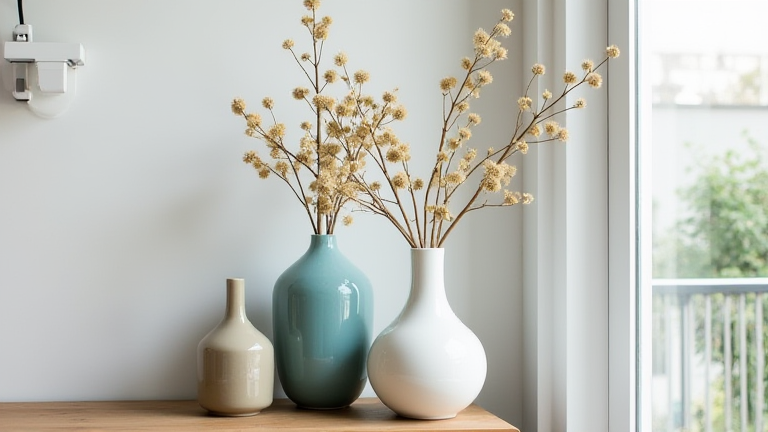
Elevate Your Home: 7 Stylish Ways to Display Porcelain Vases
TL;DR: Display porcelain vases by mixing heights on floating shelves or grouping them in odd numbers for visual balance. Use negative space and varied textures to let the delicate craftsmanship of the porcelain take center stage in your living room or entryway.
Porcelain vases are more than mere vessels; they are sculptural statements that bring a sense of history, elegance, and tranquility to any domestic space. Whether you have inherited a collection from a grandmother or curated a set from local artisans, knowing how to display these fragile treasures is key to maximizing their aesthetic impact. The goal is not just to store them, but to celebrate their form, glaze, and translucency. By approaching your display with intention, you can transform a simple shelf into a gallery of quiet sophistication.
If you want to dig deeper, check out our guide on The Viral Skincare Trend: Why Niacinamide Serums Are Everywh.
Curating the Collection
The first step in elevating your home is understanding the character of your pieces. Porcelain ranges from the stark, white minimalist designs of modern Japan to the intricate blue-and-white patterns of classic Ming dynasty replicas. Before arranging, sort your vases by size, shape, and color palette. This curation process ensures that your final display feels cohesive rather than cluttered. Consider the “odd number rule,” a timeless design principle suggesting that groups of three or five are more visually engaging to the human eye than even numbers. This asymmetry creates a sense of natural movement and prevents the display from looking too rigid or formal.
Strategic Placement and Height
Height variation is the secret to a dynamic display. Avoid lining up vases of similar height on a single flat surface, which can look monotonous. Instead, use risers, books, or small pedestals to create layers. Place a tall, slender vase on the lower shelf and a shorter, wider bowl on a raised platform behind it. This interplay of vertical and horizontal lines draws the eye upward and adds depth to the composition. Floating shelves are particularly effective for this technique, as they eliminate the visual bulk of brackets and allow the vases to appear as if they are hovering, enhancing the ethereal quality of the porcelain.
Lighting and Negative Space
Lighting plays a crucial role in highlighting the subtle glazes of porcelain. Natural light is ideal, as it can make thin-walled vases appear to glow. If you are displaying vases in a dimmer area, use warm-toned LED spotlights to cast soft shadows that accentuate the curves of the neck and body. However, avoid direct sunlight, which can cause fading or thermal stress on the ceramic. Equally important is the use of negative space. Do not overcrowd your shelves. Leave breathing room around each vase to allow the viewer to appreciate the individual shape and craftsmanship. Empty space is not wasted space; it is a design element that provides contrast and emphasizes the beauty of the object.
Contextual Styling
Integrate your vases into the broader narrative of your room. In a minimalist Scandinavian interior, pair a simple white porcelain vase with a single stem of dried grass or a bare branch to maintain the clean aesthetic. In a more eclectic or bohemian space, you might group a traditional blue-and-white vase with a rough-hewn wooden bowl or a brass tray. This juxtaposition of textures—smooth porcelain against rough wood or polished metal—creates visual interest and depth. You can also use vases as functional decor by placing them in unexpected locations, such as on a bathroom counter with a single orchid or on a bedside table as a standalone sculpture.
Rotating and Refreshing
Finally, do not be afraid to rotate your collection. Seasonal changes offer a perfect excuse to rearrange your displays. Swap out heavy, dark-colored vases for lighter, translucent ones during the spring and summer to evoke a sense of lightness. In the autumn and winter, bring out richer colors and heavier forms to match the cozy, enclosed atmosphere of the colder months. This practice keeps your home feeling fresh and allows you to explore different combinations and moods. It also ensures that
Leave a Reply