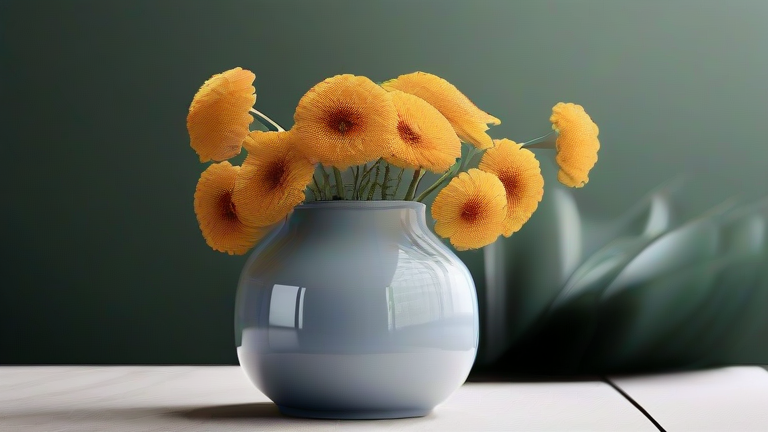
Porcelain Vase Health Risks: Is Your Decor Safe?
TL;DR: Modern, commercially produced porcelain vases are generally safe for home decoration as they do not emit harmful levels of toxic heavy metals. However, caution is advised with antique or hand-painted pieces, which may contain lead or cadmium glazes that could pose health risks if ingested or if the ceramic is damaged and leaches contaminants.
The Science Behind Ceramic Safety
Porcelain is a type of ceramic material that is fired at very high temperatures, resulting in a dense, non-porous, and durable object. From a scientific perspective, high-fired porcelain is chemically stable. The glaze acts as a barrier that seals the clay body, preventing any potential migration of substances from the interior to the exterior or vice versa. According to the United States Consumer Product Safety Commission (CPSC) and the Food and Drug Administration (FDA), ceramics that are intended for food contact must pass specific leaching tests for lead and cadmium. While decorative vases are not always held to the same rigorous standards as dinnerware, reputable manufacturers in developed countries adhere to similar safety benchmarks to ensure their products are non-toxic.
If you want to dig deeper, check out our guide on Porcelain Vase Care: 5 Tips for Long-Lasting Shine & Health.
The primary concern with porcelain vases, particularly those found in estate sales, antique markets, or imported from regions with lax regulatory oversight, is the presence of heavy metals in the glaze. Lead and cadmium were historically common in glazes to achieve bright, vibrant colors and a smooth finish. If a vase is chipped, cracked, or the glaze is worn down, these metals can potentially leach out. While the risk of acute poisoning from simply having a vase in your living room is negligible, the risk increases if the vase is used to hold water, especially acidic liquids like lemonade or wine, which can accelerate metal leaching. Furthermore, if children or pets have access to broken shards, ingestion of small pieces containing toxic glazes becomes a serious medical concern.
Lifestyle Tips for Safe Decor
To ensure your home environment remains healthy and free from unnecessary chemical exposure, consider the following lifestyle tips regarding your porcelain decor. First, always inspect your vases for integrity. If you notice chips, cracks, or crazing in the glaze, especially on older items, discontinue using them for holding liquids or plants. Place such items in a glass display case or use them solely for dry floral arrangements to minimize any potential contact with water or acidic substances.
Second, be mindful of the source of your vintage or handmade porcelain. If you are purchasing high-fire, mass-produced items from major retailers, the risk is exceptionally low. However, for antique pieces, look for any documentation regarding their composition. When in doubt, perform a simple vinegar test: apply a small amount of white vinegar to a hidden area of the glaze and wipe it off after a few minutes. If the vinegar turns a yellowish or brownish hue, it may indicate the presence of lead. While this is not a definitive laboratory test, it is a useful preliminary indicator that warrants further caution.
Finally, practice good hygiene when handling decorative ceramics. Wash your hands thoroughly after moving or cleaning vases, particularly if you have been working with older, potentially unglazed or damaged pieces. This simple habit reduces the likelihood of inadvertently transferring trace contaminants to your food or face. By staying informed and taking these proactive steps, you can enjoy the aesthetic beauty of porcelain vases without compromising your health. Safe decor is not just about style; it is about creating a living space that supports your well-being.
FAQ
Q: Can a porcelain vase leach lead into water?
A: Yes, if the vase is antique, hand-painted, or damaged, it may contain lead-based glazes that can leach into water, especially acidic liquids, posing a health risk.
Q: Is it safe to use a chipped porcelain vase for flowers?
A: It is generally safe for dry flowers, but if using water, a chipped vase may release trace amounts of heavy metals if the glaze is compromised, so it is better to use an intact container.</
Leave a Reply