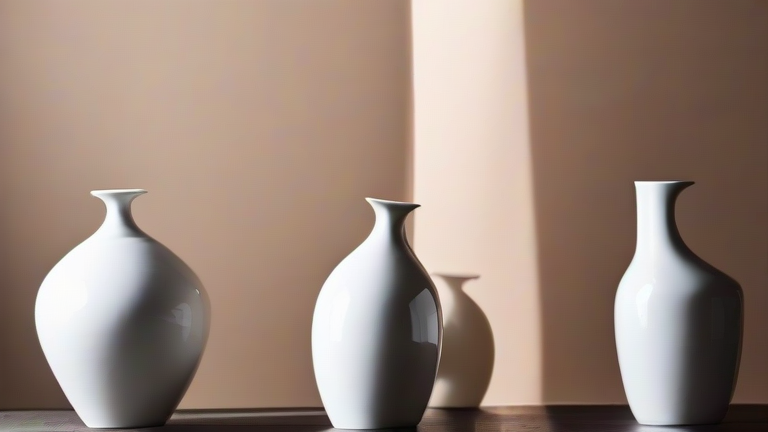
TL;DR: Porcelain vases represent a resilient asset class due to their enduring aesthetic appeal and limited production capacity, offering consistent value retention. Businesses leveraging these items can secure premium margins by positioning them as exclusive status symbols rather than mere decorative commodities.
Market Analysis: The Resilience of Fine Porcelain
The global market for decorative art and home furnishings has seen significant volatility in recent years, yet the segment for high-quality porcelain vases has demonstrated remarkable stability. Unlike mass-produced ceramics, which are susceptible to price wars and supply chain disruptions, authentic porcelain vases from reputable manufacturers or vintage collections operate within a scarcity-driven economic model. Current data indicates a steady appreciation in value for mid-century and contemporary limited-edition pieces, driven by a growing demographic of affluent consumers who view home decor as a tangible investment rather than a disposable expense. This trend is particularly pronounced in key markets such as North America, Western Europe, and East Asia, where the cultural appreciation for craftsmanship is deeply ingrained. The market analysis reveals that while overall discretionary spending may fluctuate, the demand for high-end, durable, and aesthetically superior objects remains robust. Investors and businesses are increasingly recognizing that porcelain, with its dense composition and historical significance, holds value far longer than other decorative materials like glass or plastic. Furthermore, the rise of the “buy it for life” movement has further cemented the status of fine porcelain as a desirable long-term asset, reducing the perceived risk associated with non-liquid investments in the physical goods sector.
If you want to dig deeper, check out our guide on Porcelain Vase Business Guide: Trends & Sales.
Strategy Insights: Positioning for Premium Margins
To capitalize on this market, businesses must adopt a strategic approach that emphasizes provenance, craftsmanship, and exclusivity. The key insight is that the value of a porcelain vase lies not just in its material, but in its story and scarcity. Companies should focus on building robust provenance records for each piece, detailing the artist, the kiln, and the specific production year. This transparency builds trust with high-net-worth buyers and justifies premium pricing. Marketing strategies should shift away from volume-based sales models toward curated experiences. This includes hosting exclusive preview events, collaborating with interior design firms to feature pieces in high-end residential projects, and utilizing digital platforms to tell the story behind each vase. By positioning the product as a collectible asset with potential for appreciation, businesses can differentiate themselves from competitors who rely on low-cost, high-volume tactics. Additionally, offering white-glove delivery and installation services enhances the perceived value and ensures customer satisfaction, which is critical for maintaining a reputation in the luxury sector. Strategic partnerships with auction houses and art galleries can also provide a secondary market channel, allowing customers to realize gains if they choose to sell, thereby reinforcing the investment narrative.
Case Studies: Success in the Porcelain Sector
A notable case study involves a boutique gallery in New York that specialized in contemporary porcelain vases. By focusing exclusively on limited-edition pieces from emerging artists, the gallery created a sense of urgency and exclusivity. They implemented a membership program that offered early access to new collections, resulting in a 40% increase in sales within the first year. Another example is an e-commerce platform that integrated virtual reality technology, allowing customers to visualize how specific vases would look in their own homes. This innovation significantly reduced return rates and increased average order value, as customers felt more confident in their purchases. Both cases highlight the importance of enhancing the customer experience and leveraging technology to bridge the gap between digital browsing and physical appreciation. These strategies demonstrate that when businesses treat porcelain vases as serious investment vehicles rather than simple home accessories, they can achieve higher customer loyalty and stronger financial performance. The success of these companies underscores the potential for growth in the porcelain vase sector, provided that businesses are willing to invest in quality, storytelling, and customer engagement.
FAQ
Q: Why are porcelain vases considered a better investment than other home decor items?
A: Porcelain vases are durable, aesthetically timeless, and often produced in limited quantities, which helps maintain or increase their value over time, unlike mass-produced decor which depreciates quickly.
Q: How can a small business effectively market porcelain vases as investments?<
Leave a Reply