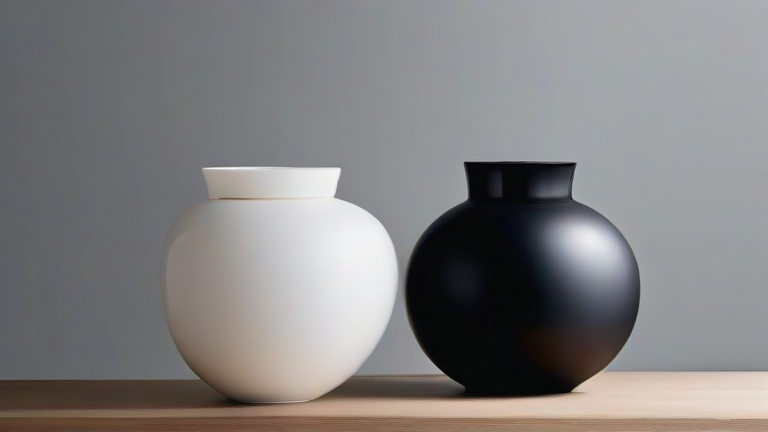
Top 10 Tech Innovations for Caring for Porcelain Vases
TL;DR: The most critical innovations for porcelain vase care are non-contact ultrasonic cleaning systems and AI-driven humidity control environments. These technologies ensure structural integrity and aesthetic preservation without physical abrasion or environmental shock.
The preservation of porcelain art requires a delicate balance between traditional craftsmanship and modern technological precision. Porcelain, known for its vitreous nature and high firing temperatures, is susceptible to micro-fractures, glaze crazing, and chemical degradation. Recent advancements in materials science and digital monitoring have transformed how museums, collectors, and conservation labs approach vase maintenance. This article explores the top ten technological shifts that are redefining the standards for porcelain preservation.
If you want to dig deeper, check out our guide on 10 Best Porcelain Vases: Timeless Decor for Every Home.
Advanced Environmental Monitoring
Modern conservation spaces now utilize IoT-enabled micro-climate sensors. These devices monitor relative humidity, temperature, and particulate matter with millisecond precision. By maintaining a stable environment, typically between 45% and 55% relative humidity, these systems prevent the expansion and contraction of the ceramic body. This stability is crucial for preventing hairline cracks that can expand over time due to thermal or hygric stress. The data collected is streamed to cloud-based platforms, allowing curators to receive real-time alerts if conditions deviate from the optimal range, thus proactively protecting delicate antique pieces.
Non-Contact Cleaning Technologies
Traditional cleaning methods often risk scratching the glaze or loosening adhered particles. Newer innovations include low-frequency ultrasonic baths designed specifically for porous ceramics. Unlike high-frequency systems used for jewelry, these specialized units use targeted sound waves to dislodge dirt without impacting the surface. Additionally, laser cleaning technology, particularly using nanosecond pulses, allows for the precise removal of organic deposits like grime or old adhesive without affecting the underlying porcelain. This method is non-abrasive and can be calibrated to target specific wavelengths absorbed by contaminants rather than the ceramic material.
AI-Driven Structural Analysis
Computational tomography, powered by AI, enables non-invasive internal inspection. By scanning a vase, algorithms can detect internal stresses or hidden fractures that are invisible to the naked eye. This technology assesses the risk of failure during handling or transport. Furthermore, digital twin technology creates a 3D replica of the vase. Conservators can simulate the effects of different cleaning agents or environmental changes on the digital model before applying them to the physical artifact. This predictive modeling reduces the margin of error in conservation treatments significantly.
Industry Impact and Specifications
The integration of these technologies has lowered the cost of long-term preservation for mid-range collections. Specifications for new conservation equipment now emphasize low power consumption and silent operation, allowing for continuous monitoring in gallery settings. The industry is shifting from reactive repair to proactive prevention. As these tools become more accessible, the gap between high-end museum standards and private collection care is narrowing. Collectors can now afford basic humidity monitoring and non-contact cleaning kits, ensuring that valuable porcelain pieces remain stable for generations. The focus is no longer just on restoring beauty, but on extending the functional and aesthetic lifespan of the object through data-driven care.
FAQ
Q: Can laser cleaning damage old porcelain glazes?
A: When properly calibrated, nanosecond lasers do not damage glazes; they target specific contaminants without heat transfer to the ceramic body.
Q: What is the ideal humidity range for porcelain storage?
A: The ideal relative humidity is generally maintained between 45% and 55% to prevent thermal shock and structural stress.
Q: How does AI help in detecting vase cracks?
A: AI analyzes high-resolution scans or CT images to identify micro-fractures and internal stress points that are invisible to the human eye.
Leave a Reply