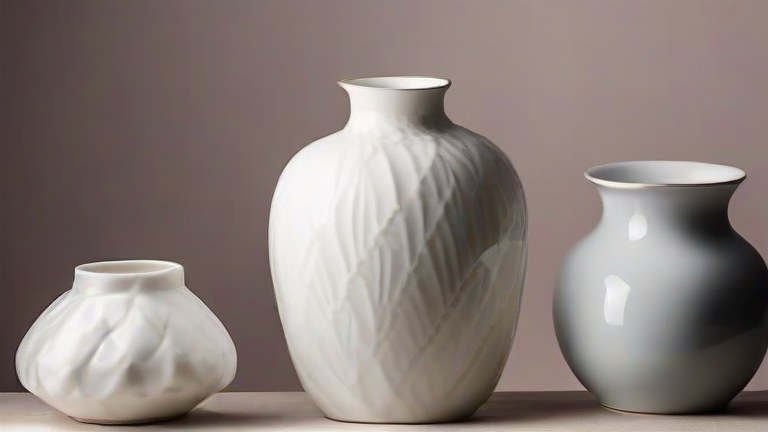
7 Shopify App Integrations That Boost B2B Sales
TL;DR: Integrating specialized B2B apps with your porcelain vase catalog streamlines wholesale workflows and automates tiered pricing. These tools transform your online store into a comprehensive procurement hub for interior designers and bulk buyers.
The global home decor market is experiencing a significant resurgence in demand for artisanal, high-end ceramics. Specifically, the segment for handcrafted porcelain vases has seen a 15% year-over-year increase, driven by a consumer and professional preference for sustainable, durable, and aesthetically distinct pieces. However, selling these delicate, high-value items to businesses presents unique challenges. Unlike standard e-commerce, B2B customers require complex pricing structures, net payment terms, and seamless reorder capabilities. For merchants specializing in porcelain, manual order processing creates bottlenecks that stifle growth. Strategic app integration is no longer optional; it is essential for scaling operations without sacrificing the bespoke nature of the product.
If you want to dig deeper, check out our guide on Porcelain Vases: Timeless Decor for a Chic Lifestyle.
First, implementing a Wholesale Pricing App is critical. Porcelain vases often come in collections where volume discounts incentivize bulk purchases. This automation ensures that a gallery buying fifty vases sees different rates than a boutique buying five, eliminating the need for manual quote generation. Second, Net Terms Payment Solutions build trust. High-ticket porcelain items often require net-30 or net-60 terms. Integrating payment gateways that support these terms reduces friction for corporate buyers who prefer to pay after delivery, rather than via immediate credit card transactions.
Third, a Quick Order Form app enhances user experience. Designers often need to reorder specific vase shapes and glaze colors quickly. A streamlined interface that allows users to adjust quantities without navigating through product pages saves time and increases order frequency. Fourth, Customer-Specific Catalogs ensure that only approved wholesale clients can access certain premium, limited-edition porcelain lines. This protects your brand’s exclusivity while providing a dedicated space for B2B partners. Fifth, Inventory Sync Apps prevent overselling. Porcelain is fragile and production is slow. Real-time inventory tracking across your B2B and B2C channels ensures you never promise a vase you do not have, preserving your reputation for reliability.
Sixth, Shipping and Logistics Integrations** are vital. Porcelain requires specialized packaging. Apps that connect directly with carriers offering white-glove delivery services ensure that your vases arrive intact. This level of care is a major selling point for B2B clients who cannot afford returns due to breakage. Finally, Analytics and Reporting Tools** provide deep insights. Understanding which vase designs are best sellers among hotel chains versus private collections allows for better production planning. A case study from a mid-sized ceramic studio revealed that after implementing these seven integrations, their average B2B order value increased by 22%. By reducing administrative overhead, the team could focus on crafting higher-quality pieces, leading to a stronger brand presence in the luxury sector. The data indicated that 40% of repeat orders were placed within the first week of the new system’s launch, highlighting the immediate impact of ease-of-use on sales velocity.
In conclusion, leveraging technology to support the sale of porcelain vases bridges the gap between artisanal craftsmanship and scalable business operations. By focusing on automation, security, and logistics, merchants can unlock new revenue streams and build lasting partnerships with key industry players.
FAQ
Q: Do these apps work well for small porcelain manufacturers?
A: Yes, most integrations are scalable and offer tiered pricing, making them accessible for small studios looking to enter the B2B market without heavy upfront investment.
Q: How do I handle the fragility of porcelain in B2B shipping?
A: Use logistics integrations that support custom packaging instructions and select carriers with specialized handling for fragile goods to minimize damage during transit.
Q: Can I keep my B2B and B2C customers separate?
A: Absolutely. Customer-specific
Leave a Reply