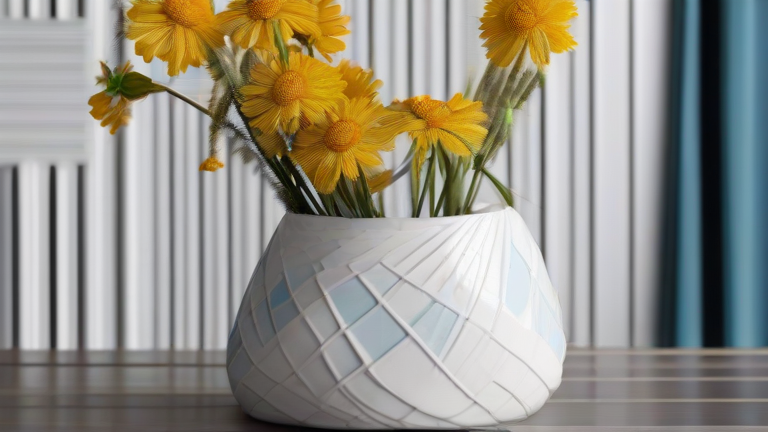
How to Decorate Porcelain Vases: Step-by-Step Tutorial
TL;DR: Clean and prime your porcelain vase with a specialized ceramic primer to ensure durability and adhesion. Apply your chosen decorative medium, such as decoupage paper, paint, or resin, in thin layers, sealing with a clear epoxy or varnish for protection.
Decorating porcelain vases is a rewarding way to personalize your home or create unique gifts. Porcelain is smooth, non-porous, and delicate, which makes it a challenging but beautiful canvas. This guide walks you through the essential steps to transform a plain vase into a stunning piece of art. Whether you prefer a modern minimalist look or a classic floral design, these techniques will help you achieve a professional finish.
If you want to dig deeper, check out our guide on Porcelain Vase Care: Step-by-Step Cleaning & Repair Tutorial.
Preparation and Surface Treatment
The most critical step in decorating any ceramic item is preparation. Porcelain surfaces are incredibly smooth, causing paints and adhesives to slide off easily. Start by washing the vase with warm, soapy water to remove any dust, oils, or manufacturing residues. Dry it thoroughly with a lint-free cloth. Next, apply a high-quality ceramic primer. This product acts as a bonding agent, creating a textured surface that grabs the decorative medium. Let the primer dry completely according to the manufacturer’s instructions. Skipping this step is the primary reason for peeling or flaking later on.
Choosing Your Decorative Method
You have several options for decorating your primed vase. Decoupage is a popular choice, allowing you to apply printed paper, napkins, or fabric using Mod Podge. For a more artistic approach, acrylic paints mixed with a ceramic medium offer vibrant colors and the ability to create custom patterns. Resin art is another trending method, where you pour colored resin into the vase to create a glossy, glass-like effect. Each method requires specific supplies, but the preparation steps remain the same. Choose a design that complements the shape of the vase. Intricate details work well on wide-mouth vases, while simple stripes or gradients suit slender necks.
Application and Sealing
Apply your chosen medium in thin, even layers. If using paint, use a soft brush to avoid brush marks. For decoupage, cut your paper or fabric slightly larger than the vase and smooth it down to eliminate bubbles. Work in sections to prevent the adhesive from drying too quickly. Once your design is complete and fully dry, it is time to seal. A clear, UV-resistant epoxy or varnish protects the artwork from scratches, moisture, and fading. Apply the sealant in a thin, even coat, allowing it to cure for at least 24 hours. This final layer adds a professional sheen and ensures your creation lasts for years.
Tips for Success
Always work in a well-ventilated area, as some primers and sealants emit strong fumes. Use painter’s tape to create crisp, straight lines if you are attempting geometric patterns. Test your materials on a scrap piece of porcelain first to check compatibility and color vibrancy. Avoid applying too much pressure when smoothing decoupage paper, as this can crack the underlying porcelain if the vase is fragile. Finally, remember that patience is key; rushing the drying process between layers often leads to imperfections.
FAQ
Q: Can I use regular craft glue on porcelain?
A: No, regular craft glue does not bond well to smooth porcelain. You must use a dedicated ceramic primer or adhesive specifically formulated for glass and ceramics.
Q: How do I remove an old decal from a vase?
A: Soak the area in warm soapy water or use a gentle abrasive sponge. For stubborn decals, a small amount of rubbing alcohol can help dissolve the adhesive without damaging the glaze.
Q: Is it safe to paint the inside of a vase?
A: Only use non-toxic, food-safe paints if you plan to insert fresh flowers with water. Otherwise, stick to decorating the exterior to avoid any chemical leaching into
Leave a Reply