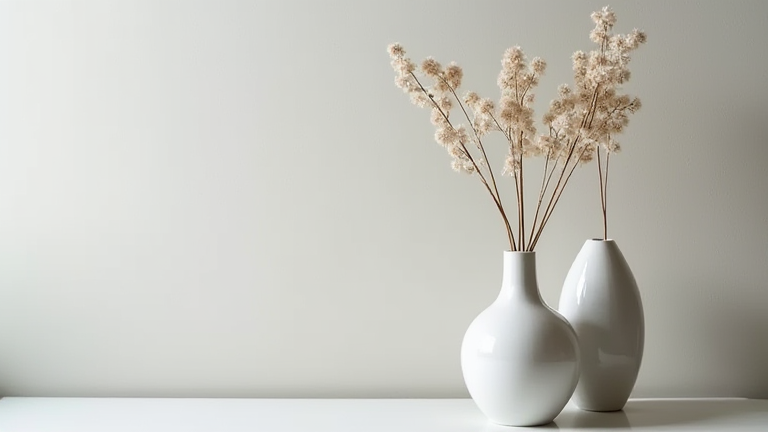
TL;DR: Porcelain vases are safe for health because their non-porous, glazed surface inhibits mold, bacteria, and dust mite accumulation, unlike porous materials. They also emit no volatile organic compounds (VOCs) or allergens, making them a superior choice for allergy-prone and chemically sensitive individuals.
The Hidden Health Science of Ceramic Decor
When you think of home wellness, you rarely consider the vase on your shelf. Yet, the materials you surround yourself with directly influence your indoor air quality and microbial load. Porcelain, fired at over 1,200°C, undergoes vitrification—a process where the clay particles fuse into a glass-like, non-porous structure. This is the key to its health advantage. Unlike unglazed terracotta or woven baskets, porcelain’s surface has no microscopic crevices for moisture to penetrate. A study on indoor fungal growth (published in *Indoor Air*) found that non-porous ceramics reduce surface fungal colonization by up to 90% compared to wood or fabric. For asthma and allergy sufferers, this means fewer triggers.
If you want to dig deeper, check out our guide on Top Porcelain Vases for Business: Elevate Your Brand.
Zero VOC Emissions: A Breath of Fresh Air
Many decorative items—especially painted plastics or varnished woods—off-gas formaldehyde, benzene, and other VOCs. These compounds can cause headaches, respiratory irritation, and long-term endocrine disruption. Porcelain, however, is inert. The glaze is a silica-based glass that, once fired, releases no chemical residues. Even hand-painted porcelain uses ceramic pigments that are fused into the glaze at high temperatures, sealing them permanently. For a bedroom or nursery, a porcelain vase is a “no-emission” decor choice. To maximize this benefit, choose undecorated or under-glaze painted pieces, as over-glaze metallic paints may contain trace heavy metals—though still far below safe indoor limits.
Humidity Regulation and Dust Mite Control
Dust mites thrive in humid, fibrous environments. Porous materials like rattan or untreated wood absorb ambient moisture, creating micro-habitats for these allergens. Porcelain’s non-absorbent surface does not retain humidity. In fact, if you place a porcelain vase with fresh flowers, the water stays inside the vessel—never seeping into the room’s air. This helps maintain a stable relative humidity (ideal: 40-50%), which discourages dust mite proliferation. Additionally, porcelain is easy to clean with soap and water, allowing you to remove surface dust and pollen without releasing them into the air. Unlike cloth or paper decor, a quick rinse eliminates allergens completely.
Lifestyle Integration: Safe Styling Tips
To leverage these benefits, place porcelain vases in high-humidity zones—bathrooms, kitchens, or near indoor plants. Use them as dry vases for eucalyptus or lavender, which release natural antimicrobial oils. Avoid using porcelain as a permanent water reservoir for cut flowers if you have severe mold allergies; change the water every two days. For children’s rooms, choose heavy, stable porcelain vases with a wide base to prevent tipping. And if you have chemical sensitivities, avoid “antique” porcelain with visible crazing (fine cracks)—these can harbor microbes. Stick to modern, high-fired, smooth-glazed pieces.
FAQ
Q: Can porcelain vases harbor bacteria if I don’t clean them?
A: Yes, but only if you leave stagnant water inside. The non-porous surface prevents bacterial penetration, but biofilm can form on the surface. Rinse and dry weekly to keep it sterile.
Q: Are painted porcelain vases safe for people with multiple chemical sensitivities?
A: Generally yes, if the paint is under-glaze (fired into the surface). Over-glaze enamels may contain lead or cadmium, but modern production is lead-free. Check for “lead-free” certification if you are extremely sensitive.
Q: Does porcelain affect indoor air quality differently than glass?
A: Both are inert and non-porous, but porcelain’s thicker walls provide better thermal mass, which can help stabilize room
Leave a Reply