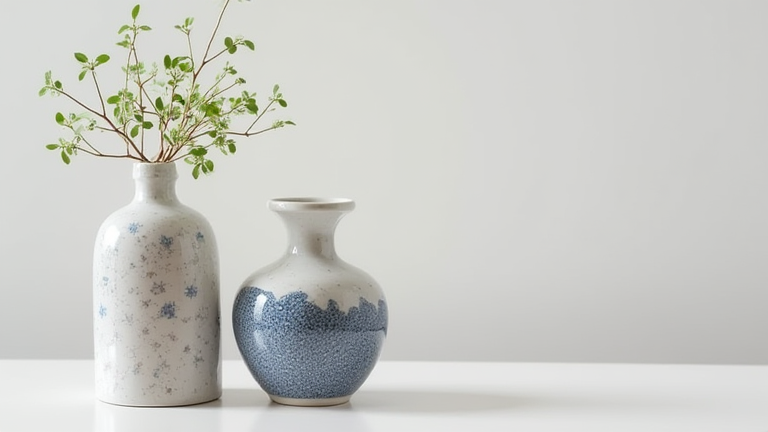
TL;DR: Decorate porcelain vases by selecting heat-resistant paints and applying thin, layered coats over clean, degreased surfaces. Seal the finished design with a clear, high-gloss ceramic varnish to ensure durability and a professional sheen.
Step-by-Step Instructions
Begin by preparing your workspace. Lay down newspaper or a plastic sheet to protect your table. Gather your supplies, including high-quality porcelain, specialized ceramic paint, fine-tip brushes, and a clear sealant. Ensure the vase is completely dry before proceeding to the next stage.
If you want to dig deeper, check out our guide on Porcelain Vases & Health: Safe Display Tips for a Cleaner Ho.
Thoroughly clean the exterior of the porcelain vase using mild soap and warm water. This step is critical because any residual dust or oil will prevent the paint from adhering properly. Use a lint-free cloth to dry the surface completely. If the vase has a glossy finish, lightly sanding it with very fine-grit sandpaper can help the paint grip better, but be gentle to avoid scratching.
Sketch your design lightly with a pencil directly onto the vase. This acts as a guide for your painting. Choose a theme that complements the shape of the vase. For example, delicate floral patterns work well on slender necks, while bold geometric shapes suit wider, rounded bases. Keep your lines simple if you are a beginner, as complex details are harder to paint on curved surfaces.
Apply the ceramic paint using small, controlled strokes. Start with the darkest colors first, then layer lighter shades on top. Work in thin coats rather than applying thick layers, as thin layers dry more evenly and are less likely to crack or peel. Allow each coat to dry fully according to the manufacturer’s instructions before adding more paint. This prevents smudging and ensures vibrant color retention.
Once your design is complete and fully dry, it is time to seal the work. Apply a clear, high-gloss ceramic varnish evenly over the painted areas. Use a soft brush or a spray bottle for the best results. This protective layer locks in your colors and adds a beautiful shine. Allow the varnish to cure completely, which may take up to 24 hours, before handling the vase.
Pro Tips for Success
Always test your paint on a small, hidden area of the vase first to check for color accuracy and adhesion. Work in a well-ventilated area to avoid inhaling fumes from paints and varnishes. If you make a mistake, wait for the paint to dry and then gently scrape it off or paint over it with a contrasting color. Patience is key; rushing the drying process can ruin your project. Finally, remember that hand-painted items are unique, so embrace any slight imperfections as part of the charm.
FAQ
Q: Can I put water in a decorated porcelain vase?
A: Yes, provided you use water-safe ceramic paints and a food-grade sealant. Ensure the sealant is fully cured before filling the vase with water to prevent any potential leaching of chemicals.
Q: What type of brush is best for porcelain painting?
A: Synthetic fine-tip brushes are ideal for detailed work, while wider flat brushes are better for covering larger areas. High-quality brushes provide better control and prevent bristle shedding on the smooth surface.
Q: How do I fix cracked paint on my vase?
A: If the paint cracks due to thick application, you can carefully sand down the cracked area, re-paint it with a thinner layer, and re-seal the entire piece to ensure uniform protection and appearance.
Leave a Reply