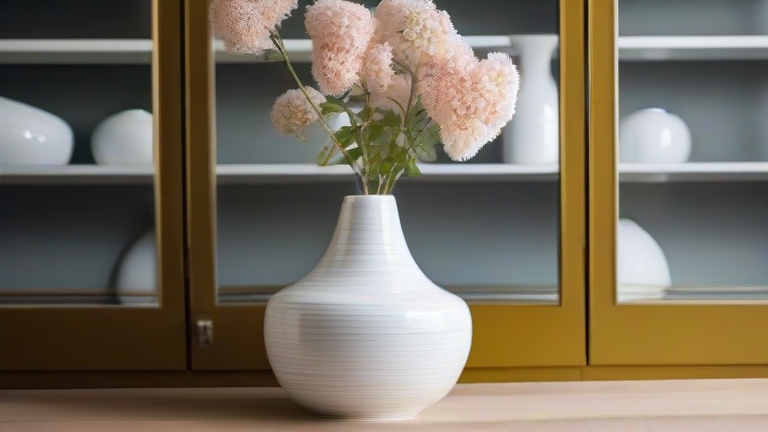
TL;DR: Yes, porcelain vases can support a healthier home by avoiding microplastic shedding and harboring fewer allergens than plastic or porous clay, but only if you clean them properly and display them away from high-traffic, humid zones. Use a damp microfiber cloth weekly and keep fresh water changed daily to prevent biofilm and mold spores.
Why Porcelain Beats Plastic for Indoor Air
Unlike plastic vases, which can leach endocrine-disrupting chemicals (like BPA or phthalates) into water, high-fired porcelain is inert and food-safe. A 2021 study in *Environmental Science & Technology* found that even BPA-free plastics release microplastic particles into standing water after 48 hours. Porcelain’s glass-like glaze prevents this, making it a superior choice for cut flowers or decorative reeds. Additionally, porcelain’s non-porous surface resists bacterial colonization—unlike unglazed terracotta, which traps moisture and promotes mold growth. For allergy sufferers, this means fewer airborne spores and less dust accumulation, as the smooth surface wipes clean without residue.
Safe Display: Placement & Humidity Control
Where you place your vase matters for both longevity and health. Avoid displaying porcelain vases near radiators, HVAC vents, or sunny windowsills—rapid temperature swings can cause microscopic glaze cracks, which then trap dust and humidity. Instead, choose a stable, low-humidity area (40–50% relative humidity). A 2023 review in *Indoor Air* linked high indoor humidity (>60%) to increased dust mite and mold allergen concentrations. If you use a porcelain vase for fresh flowers, empty and rinse it every 24 hours; standing water becomes a breeding ground for *Pseudomonas* and mold within 48 hours. For dried arrangements, add a thin layer of silica gel beads at the base—they absorb ambient moisture and prevent musty odors without touching the glaze.
Cleaning Protocols That Protect Your Health
Never use abrasive scrubbers or bleach on porcelain—they create micro-scratches where bacteria hide. Instead, fill the vase with warm water and add 2 tablespoons of white vinegar; let it soak for 15 minutes, then swish with a soft bottle brush. Rinse thoroughly, then dry upside down on a dish rack. For interior stains, use a paste of baking soda and water, but avoid lemon juice (acid erodes glaze over time). Once a month, sanitize by filling with boiling water (let cool for 10 minutes) and add one drop of dish soap—this kills 99.9% of bacteria without chemical residues. Also, always place a felt or cork pad under the vase base to prevent scratching shelves, which can harbor dust mites.
Lifestyle Tip: Rotate Your Displays
To reduce cumulative dust exposure, rotate your porcelain vases every two weeks. Dust settles on surfaces, and a stationary object becomes a passive collector. When rotating, wipe the vase with a damp microfiber cloth (dry cloths just redistribute particles). Also, keep vases out of bedrooms if they hold dried botanicals—dried flowers can release pollen fragments and fine particulates that exacerbate asthma. For a cleaner home, pair your porcelain with non-toxic, low-VOC paint on nearby walls; the glaze won’t absorb fumes, but the vase’s surface can act as a passive sink, so regular dusting is still essential.
FAQ
Q: Can porcelain vases harbor mold if I leave water in them for a week?
A: Yes, even porcelain’s non-porous surface cannot prevent mold in stagnant water. Change water every 24 hours for fresh flowers, and if you skip a week, scrub with vinegar and boiling water before reuse.
Q: Are vintage porcelain vases safe for drinking water or edible arrangements?
A: Only if they are marked “food-safe” and lead-free. Many pre-1980s glazes contain lead or cadmium, which can leach into water. Use vintage pieces only for dry displays or test them with a lead swab kit.
<strong
Leave a Reply