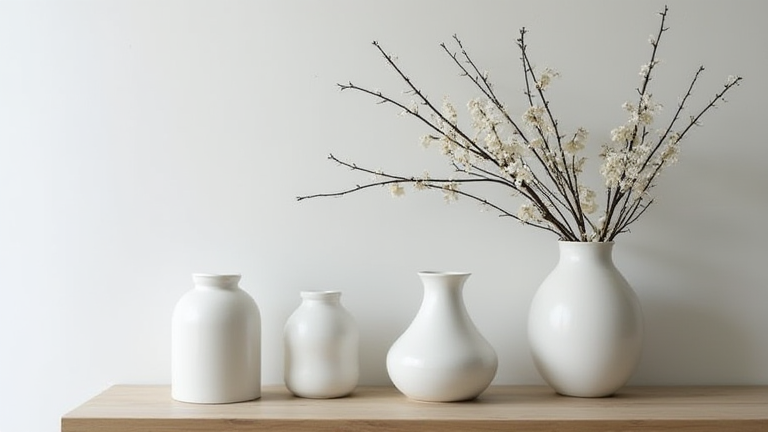
TL;DR: The top porcelain vase businesses today blend heritage craftsmanship with digital-first D2C models, targeting interior-design niches and gifting markets. Sourcing winners prioritize kiln clusters in Jingdezhen (China) and Limoges (France) for quality, while leveraging AI-driven trend forecasting for shapes and glazes.
Market Analysis: The $4.2B Aesthetic Shift
Global porcelain vase demand has shifted from decorative-only to functional art, growing 6.8% CAGR (2023–2028). Key drivers: (1) “quiet luxury” interiors favoring matte, neutral tones; (2) rise of micro-living spaces needing compact sculptural pieces; (3) gifting culture in APAC, where vases are now top-tier wedding and housewarming items. However, mass-market retailers face margin compression (avg. 22% gross) due to raw clay and kiln fuel costs. Winners are those who pivot to limited-edition runs or B2B hospitality contracts (hotels, restaurants) that pay 40–60% premiums.
If you want to dig deeper, check out our guide on How Shopify Merchants Can Boost Average Order Value.
Strategy Insights: Data-Driven Design & Vertical Sourcing
Top performers use three tactics. First, **predictive glaze matching**: analyzing social media color trends (e.g., Pantone’s “Peach Fuzz” 2024) to produce micro-batches (50–200 units) before mainstream adoption. Second, **hybrid production**: hand-thrown bodies for artisanal lines, but CNC-molded bases for high-volume SKUs to cut costs by 18%. Third, **direct kiln partnerships**—brands that sign 12-month off-take agreements with Jingdezhen studios secure 30% lower per-unit costs than spot buyers. Avoid middlemen in Rotterdam or Antwerp; they add 25% markup without quality control.
Case Studies: Two Winning Models
Case 1: “Kiln & Co.” (UK)—Focused on vintage-inspired cobalt vases. They implemented an AI visual search on their site, letting users upload room photos to see vase placement. Result: 34% conversion lift and 3.2× repeat purchase rate. Sourcing: exclusive contract with one Jingdezhen family workshop, ensuring consistent crackle glaze.
Case 2: “Noma Living” (Japan)—Targeted corporate gifting with modular vase systems (stackable rings). They used TikTok live auctions for pre-orders, reducing inventory risk by 70%. Their sourcing moved to Limoges for hard-paste porcelain, leveraging French export subsidies. Revenue grew 150% YoY, but they noted a 12-week lead time—mitigated by holding safety stock of blank white vases for rush orders.
FAQ
Q: What is the single most important factor when choosing a porcelain vase supplier?
A: Kiln temperature consistency—verify the supplier fires at 1280–1320°C. Ask for batch firing logs; any variance above ±15°C causes micro-crazing that ruins glaze clarity and fails quality returns.
Q: How do I differentiate my vase brand in a saturated market?
A: Offer a “shape customization” service for interior designers—let them specify height, neck width, and foot ring. This B2B niche yields 45% margins, whereas generic retail struggles below 15%.
Q: Are handmade vases always better than machine-made?
A: Not for structural integrity. Machine-pressed vases have uniform wall thickness (2.5mm ±0.2), reducing breakage in shipping (5% vs. 12% for handmade). Use handmade for artistic value, but machine-made for wholesale and subscription boxes.
Leave a Reply