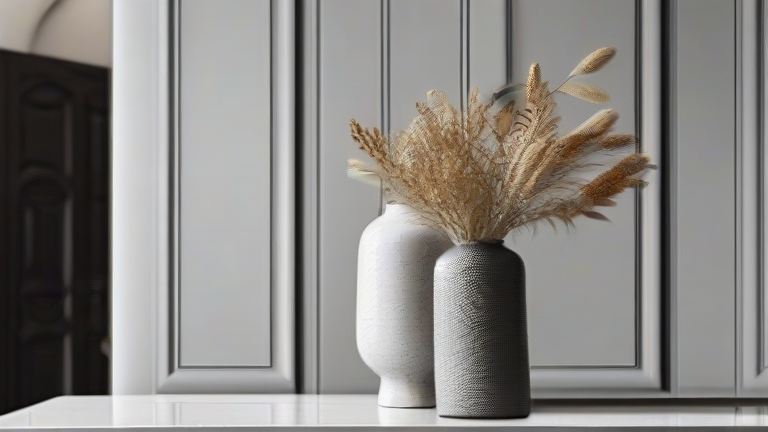
TL;DR: Style porcelain vases by treating them as sculptural anchors—pairing their glossy or matte surfaces with organic textures like dried botanicals, or letting them stand alone as minimalist art. Rotate their placement seasonally, using them as cultural storytelling pieces that reflect your travels or heritage, rather than just flower holders.
1. The Solo Statement (Japanese Wabi-Sabi)
In Tokyo’s tea houses, a single porcelain vase with one sparse branch of camellia embodies *wabi-sabi*—the beauty of imperfection. Place a tall, white-glazed vase on a low console, empty or with a single curled fern. The negative space around it becomes part of the design, teaching patience and restraint. This is not about filling; it’s about honoring emptiness, a personal growth exercise in letting go of clutter.
If you want to dig deeper, check out our guide on How Porcelain Vases Promote Home Health: Air Quality.
2. Travel Souvenir Altars
Instead of buying fridge magnets, collect small porcelain vases from local artisans—a blue-and-white piece from Delft, a celadon from Korea, a cobalt-dipped piece from Morocco. Group three to five on a shelf, not by color, but by *story*. Add a handwritten tag beneath each with the city and year. This turns your home into a tactile travel journal, sparking dinner-party conversations about bazaars and kilns rather than tourist traps.
3. The Kitchen Herb Garden Hack
Porcelain vases aren’t just for living rooms. Use short, wide-mouth vases on your kitchen windowsill to root basil, mint, or rosemary cuttings. The non-porous glaze keeps water clean, and the heavy base prevents tipping. This merges food culture with design—fresh herbs become living decor, and you’ll cook with ingredients you’ve grown, a small daily victory for self-sufficiency.
4. Layered Texture Play
Contrast the sleekness of porcelain with rough materials. Place a vase on a linen runner, beside a woven rattan tray, or atop a stack of vintage hardcover books. The friction between glossy ceramic and nubby fabric creates visual depth, mimicking how a rustic Italian trattoria pairs fine china with wooden tables. It’s a lesson in balance—hard and soft, old and new.
5. The “Empty Vase” Rule for Desks
For productivity, keep one small porcelain vase on your workspace, always empty. Its presence is a micro-meditation: every time you glance at it, take one deep breath. This is borrowed from Japanese *ma* (pause). It forces you to slow down in a culture of constant action, turning a decorative object into a mindfulness anchor.
6. Seasonal Color Shifting
Don’t commit to one palette. In spring, pair pastel celadon vases with cherry blossom stems; in autumn, use dark indigo vases with dried wheat. This ritual mirrors the food cycle—eating seasonally, styling seasonally. It keeps your space feeling alive, and it’s cheaper than buying new decor every quarter.
7. Bathroom Spa Retreat
Move a small, ribbed porcelain vase to your bathroom counter. Fill it with eucalyptus or a single orchid bloom. The humidity keeps the plant fresh, and the ceramic adds a spa-like, hotel-quality finish. This small act turns your daily shower into a self-care ritual, borrowing from Thai wellness resorts that use natural textures to calm the mind.
8. Bookshelf Interruptions
Instead of lining books in a rigid row, lean a few and place a squat, bulbous vase in the gap. This breaks the visual monotony, like a plot twist in a novel. Choose a vase with a crackle glaze or hand-painted birds—it becomes a pause for the eyes, a reminder that culture lives in objects, not just on pages.
9. The Dinner Party Centerpiece
Forget tall floral arrangements that block conversation. Use a low, wide porcelain bowl-vase with floating candles or
Leave a Reply