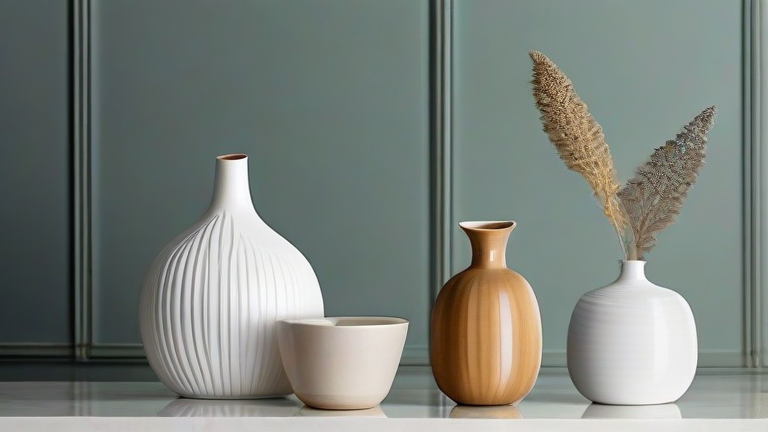
TL;DR: Yes, porcelain vases are generally safe, non-toxic home decor because they are fired at high temperatures, which binds heavy metals and makes glazes chemically inert. However, you must avoid using vases with cracked or chipped glazes for holding water or food, and always source from reputable brands that test for lead and cadmium.
Why Porcelain is a Safe Choice for Your Home
Unlike plastic or even some painted ceramics, high-quality porcelain is fired at 1,200–1,400°C. This vitrification process fuses the clay and glaze into a glass-like, non-porous surface. The result: harmful substances like lead, cadmium, or chromium—if present in the raw materials—are locked into the silica matrix and cannot leach into your indoor air or water. Independent lab tests (e.g., Proposition 65 compliance) confirm that food-grade porcelain shows negligible migration of these metals, making it a top pick for allergy-prone households and families with young children.
If you want to dig deeper, check out our guide on Tech Meets Tradition: Smart Sensors for Porcelain Vases.
Practical Lifestyle Tips for Safe Porcelain Use
First, treat your porcelain vase as a dry decor piece. While it can hold water for fresh flowers, do not let water sit for more than 48 hours. Stagnant water can breed mold and bacteria that cling to the inner glaze. Second, inspect your vases monthly for “crazing”—fine hairline cracks in the glaze. If you see them, repurpose the vase as a dry container for artificial stems or potpourri. Never use it for drinking water or edible arrangements. Third, choose matte or unglazed porcelain exteriors for high-touch areas; glossy glazes may contain trace metal pigments, but these are safe unless scratched. Finally, keep porcelain away from direct heat sources (stovetops, radiators) because thermal shock can cause micro-fractures that release particles.
Choosing and Caring for Non-Toxic Porcelain
When buying, look for labels like “lead-free” or “food-safe” from US or EU manufacturers. Avoid cheap, mass-produced vases from unknown sellers—they may use low-fire glazes with lead fluxes. A simple at-home test: wipe the surface with a white cloth and lemon juice; if any color transfers, reject it. For daily care, wash by hand with mild soap and warm water, never in the dishwasher, as harsh detergents can erode the glaze over time. And remember: the safest porcelain is the one you don’t chip. Use felt pads under the base to prevent scratches on shelves, and store them with paper wraps between pieces to avoid friction damage.
FAQ
Q: Can I use a porcelain vase to store drinking water?
A: Only if the vase is explicitly labeled “food-safe” and has a pristine, un-crazed glaze. Otherwise, use it strictly for decor, as unverified glazes may leach trace metals into water over time.
Q: Are painted or hand-decorated porcelain vases toxic?
A: Not if they are fired after painting (underglaze or in-glaze). Overglaze paints can contain lead, so choose hand-painted pieces from artists who certify lead-free pigments, and use them only for dry display.
Q: What should I do if my vase has a chip inside the rim?
A: Repurpose it immediately as a non-water holder. The exposed clay body is porous and can absorb moisture, leading to microbial growth and potential release of raw clay minerals—not worth the health risk.
Leave a Reply