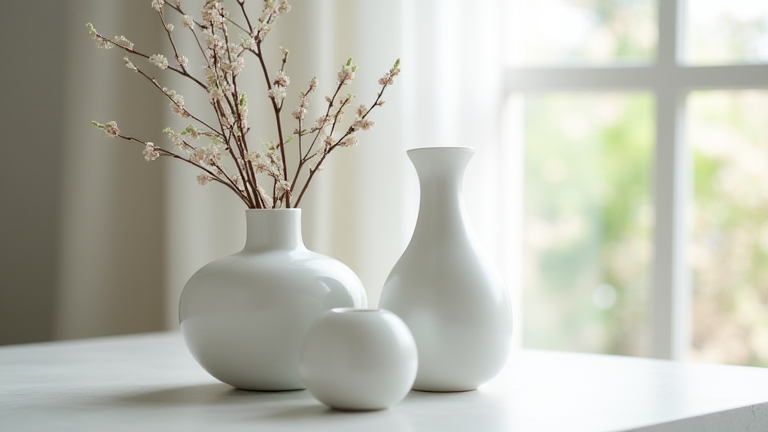
How Porcelain Vases Promote Home Health: Air Quality
TL;DR: Porcelain vases contribute to better indoor air quality by serving as non-toxic, non-porous vessels that prevent the growth of harmful mold and bacteria often found in porous materials. By holding fresh water with live plants, they actively support indoor air filtration and humidity regulation without releasing volatile organic compounds.
In the pursuit of a healthier home environment, many residents focus on expensive air purifiers while overlooking the simple, aesthetic objects that decorate their living spaces. Among these decorative items, porcelain vases stand out not just for their elegance but for their significant, albeit subtle, role in promoting indoor air quality and overall wellness. Unlike plastic, glass, or unglazed clay, high-quality porcelain is fired at extremely high temperatures, creating a glass-like, non-porous surface. This characteristic is crucial for health because porous materials can trap moisture, dirt, and organic matter, creating ideal breeding grounds for mold, mildew, and bacteria. When these pathogens proliferate in a vase, especially one holding fresh water for cut flowers or live aquatic plants, they can release spores and volatile organic compounds (VOCs) into the air, potentially triggering allergies, asthma, or other respiratory issues. By choosing porcelain, you eliminate this hidden source of indoor air pollution, ensuring that your decorative elements do not compromise your family’s respiratory health.
If you want to dig deeper, check out our guide on Handmade Porcelain Vases: 10 Elegant Styles to Elevate Your .
The Science of Non-Porous Surfaces
Scientific studies on indoor environmental quality emphasize the importance of minimizing bioburden in household items. Porcelain’s density means that water and nutrients from plant stems cannot seep into the material itself. This prevents the internal decay that occurs in lower-quality ceramics or plastics. Furthermore, reputable porcelain manufacturers adhere to strict safety standards, ensuring that the glazes used are free from lead and other heavy metals. This is a critical health consideration, as leaching of heavy metals from cheap decorative items can occur over time, especially when in contact with water. Therefore, selecting lead-free, food-grade porcelain vases ensures that your home decor remains a safe, inert addition to your living space, contributing to a cleaner chemical environment.
Lifestyle Tips for Optimal Air Quality
To maximize the health benefits of your porcelain vases, adopt specific maintenance habits that align with wellness goals. First, change the water in your vases every two to three days. Stagnant water is a primary driver of bacterial growth. Use clean, filtered water whenever possible to minimize the introduction of chlorine or other chemicals that can alter the pH balance and potentially harm sensitive plants or promote microbial imbalance. Second, keep the interior of the vase clean. Because porcelain is smooth, it is easy to scrub with mild soap and warm water. This routine cleaning removes biofilm that may have formed on the inner walls, further reducing the risk of airborne allergens. Third, pair your porcelain vase with air-purifying houseplants. Species like peace lilies, spider plants, and pothos are known for their ability to filter common household toxins such as formaldehyde and benzene. Using a non-porous, non-toxic porcelain vessel ensures that the plant’s root system remains healthy and that the soil or water does not interact with harmful materials, thereby enhancing the plant’s natural air-cleaning capabilities.
FAQ
Q: Are all porcelain vases safe for indoor air quality?
A: Only high-quality, lead-free porcelain vases are guaranteed safe; always check for certifications that confirm the absence of toxic heavy metals in the glaze.
Q: Does the color of the porcelain affect its health benefits?
A: No, the color is determined by the glaze, so as long as the glaze is certified non-toxic and food-safe, the color does not impact the vase’s contribution to air quality.
Q: How often should I deep clean my porcelain vase to prevent mold?
A: You should deep clean the vase with warm, soapy water at least once a month or whenever you notice any residue, to ensure no biofilm builds up on the internal surface.
Leave a Reply