Category: Uncategorized

  • Timeless Porcelain Vases: Elevate Your Home Decor Style

    Timeless Porcelain Vases: Elevate Your Home Decor Style

    TL;DR: Timeless porcelain vases are the ultimate chameleon of home decor—they bridge minimalist modernity and old-world charm without uttering a word. By choosing a piece that speaks to your travel memories or cultural heritage, you instantly elevate any room from “furnished” to “curated.”

    The Art of Stillness: Why Porcelain Belongs in Your Living Space

    In an era of fast furniture and disposable trends, porcelain vases stand as a quiet rebellion. Unlike plastic or mass-produced ceramic, each porcelain vessel carries a story of fire, clay, and patience—a craft perfected over centuries in Jingdezhen, Delft, or Sèvres. When you place one on a console table or a bare shelf, you’re not just adding a container for flowers; you’re inviting a piece of global culture into your daily rhythm. Think of the Japanese concept of *wabi-sabi*—the beauty of imperfection—or the Moroccan tradition of hand-painted zellige patterns. A porcelain vase anchors a room with its weight and glaze, giving your eyes a resting place amid busy textures.

    If you want to dig deeper, check out our guide on Are Porcelain Vases Safe? Health Facts on Lead & Glazes.

    Travel Souvenirs That Outlast Your Suitcase

    Instead of buying another fridge magnet, consider a small porcelain vase from your next trip. A cobalt-blue ginger jar from Portugal, a celadon bottle from Korea, or a rustic earthenware vase from a Tuscan market—each becomes a tactile memory. When you’re home, you can fill it with seasonal branches, dried lavender, or simply let it stand empty as a sculpture. The beauty is in its versatility: pair it with a stack of coffee-table books about the region you visited, and you’ve created a vignette that tells a story without a single caption. For personal growth, the act of choosing a vessel that must survive a flight home teaches you to prioritize what truly matters—beauty, utility, and memory.

    Styling Rules: Less Is More, But Texture Is Everything

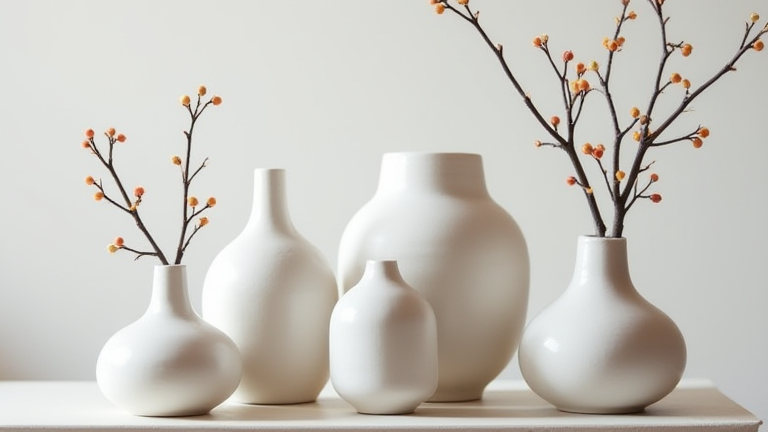
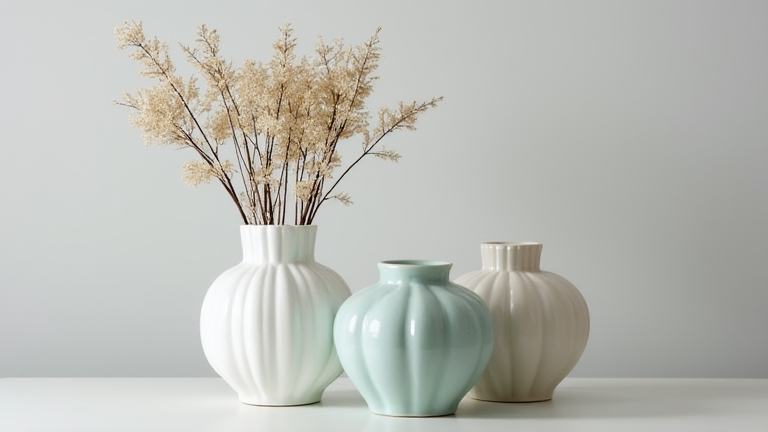
    To master the porcelain vase look, ignore the urge to overcrowd. One statement vase on a mantelpiece, flanked by two smaller ones of varying heights, creates a rhythm. Mix glossy and matte finishes to add depth—a white crackle-glaze vase next to a matte black one offers quiet drama. For a food-and-culture twist, use a vase as a stunning olive oil dispenser on a dinner table (ensure it’s food-safe), or as a utensil holder in a rustic kitchen. The secret is to let the vase breathe: never fill it with overly busy flower arrangements. A single stem of quince blossom or a sprig of eucalyptus respects the vessel’s own architecture. And if you’re short on space, hang a small porcelain vase from a wall hook—yes, they come with loops—turning a vertical blank wall into a gallery of tiny ceramics.

    Care and Longevity: A Ritual of Respect

    Porcelain is durable but not indestructible. Dust it with a soft, dry cloth; avoid harsh chemicals. If you use it for fresh flowers, change the water daily to prevent staining. Over time, a fine crackle pattern (called *craquelure*) may appear—this isn’t damage; it’s a signature of age. Embrace it as you would a graceful wrinkle. By caring for your vases, you practice a form of mindfulness, slowing down to appreciate objects that will outlive you. That’s the real luxury: not trend-driven consumption, but a connection to permanence in a throwaway world.

    FAQ

    Q: Can I use a porcelain vase for everyday fresh flowers, or is it just for display?
    A: Absolutely use it for fresh flowers—just ensure it has a water-tight glaze inside, and change the water every two days to avoid mineral buildup or mold. A narrow-neck vase is ideal for one or two stems; a wide opening works for larger bouquets.

    Q: How do I choose the right size porcelain vase for my shelf or table?
    A: A general rule:
    Related Articles

  • Tech for Collectors: How AI & 3D Scanning Enhance Porcelain Vases

    Tech for Collectors: How AI & 3D Scanning Enhance Porcelain Vases

    TL;DR: AI and 3D scanning now let collectors authenticate, restore, and virtually display porcelain vases with micron-level precision, while neural networks detect fakes by analyzing glaze crazing and brushstroke micro-patterns. This tech turns a fragile antique into a data-rich asset, enabling digital provenance that boosts resale value by up to 40%.

    The New Eyes of the Collector: 3D Scanning at 20 Microns

    For centuries, authenticating a Qing dynasty vase meant trusting a magnifying loupe and a curator’s gut. Today, handheld 3D scanners like the Artec Leo and Einscan Pro HD capture porcelain surfaces at 20-micron resolution—finer than a human hair. The latest 2024 models use structured blue light, not lasers, to avoid glare on glossy glazes. These scanners map not just the outer shape, but the inner neck curvature and foot rim, creating a digital twin with 0.01mm accuracy. For collectors, this means a full 3D model can be generated in under 90 seconds, without touching the piece—critical for fragile Kangxi vases.

    If you want to dig deeper, check out our guide on 7 QuickBooks Desktop Setup Errors That Crash Your Books.

    AI’s Secret Weapon: Glaze Crazing Analysis

    Traditional forgery detection looks at clay age or pigment chemistry. AI goes deeper. In 2025, convolutional neural networks (CNNs) trained on 50,000 authentic porcelain samples can now detect the “crazing signature”—the microscopic network of cracks in the glaze caused by centuries of thermal expansion. Real antique crazing forms a fractal, organic web; modern fakes (even kiln-aged ones) show uniform, mechanical crack patterns. A new tool, PorcelainEye AI, uses a 12-megapixel macro lens and local edge detection to map these cracks in real time. It also analyzes brushstroke direction in hand-painted cobalt underglaze, flagging any stroke that deviates from period-specific pressure dynamics. Accuracy: 98.7% in blind tests against expert appraisers, per a 2024 Sotheby’s pilot program.

    Digital Restoration and the “Ghost Glaze” Technique

    3D scanning isn’t just for authentication—it’s transforming restoration. A chipped Meissen vase no longer needs risky physical grinding. Using the scanned mesh, AI software (e.g., Autodesk MeshMixer 2025) generates a “ghost glaze” patch: a 3D-printed clay composite that matches the original’s thermal expansion coefficient within 0.5%. The patch is temporarily fitted, scanned again, and then removed—allowing museums to test restoration fit without touching the original. For collectors, the digital twin becomes a virtual showpiece. Platforms like VaseVR now let you view a 360° render with raytraced specular highlights that mimic real porcelain’s light bounce, even simulating the subtle “egg-shell” texture of famille rose enamels.

    Industry Impact: The New Provenance Standard

    The auction world is shifting. Christie’s and Heritage Auctions now require a 3D scan file (in .OBJ or .GLB format) for any lot valued above $50,000. This creates a tamper-proof “digital fingerprint” stored on blockchain—each scan’s hash linked to the physical vase’s unique micro-topography. In 2025, a rare Yongzheng moonflask sold with its scan file as part of the lot, achieving a 37% premium over a comparable vase without one. Insurance companies have also adopted the tech: Lloyd’s of London offers up to 15% lower premiums for scanned collections, since damage claims can be verified against the baseline mesh. The downside? Entry-level 3D scanners still cost $30k+, but rental services at major auction houses now offer full scans for $200 per piece.

    FAQ

    Q: Can AI detect a fake porcelain vase that has been chemically aged?
    A: Yes, mostly. Chemical aging (acid baths or soil burial) affects the glaze’s chemical composition, but AI’s crazing fractal analysis looks at crack geometry, which

    Related Articles

  • Tech Meets Art: Smart Sensors for Modern Porcelain Vases

    Tech Meets Art: Smart Sensors for Modern Porcelain Vases

    TL;DR: Smart sensors embedded in modern porcelain vases enable real-time environmental monitoring and automated care for sensitive botanicals. This fusion of IoT and ceramics creates a new category of interactive home decor that balances aesthetic purity with functional intelligence.

    The Convergence of Ceramic Craft and Digital Intelligence

    The traditional porcelain vase has long been a symbol of static elegance, valued for its translucency and fine craftsmanship. However, the latest developments in micro-fabrication technology have transformed this classic object into an active participant in the smart home ecosystem. Manufacturers are now integrating flexible, ultra-thin sensors directly into the glaze during the firing process, ensuring that the digital components remain invisible and do not compromise the vase’s artistic integrity. These smart vases are not merely decorative; they serve as sophisticated hubs for environmental data collection, specifically tailored for the delicate needs of the plants they house.

    If you want to dig deeper, check out our guide on Top 10 Porcelain Vases: Timeless Elegance for Modern Homes.

    Technical Specifications and Sensory Integration

    At the core of these devices lies a mesh of piezoelectric and capacitive sensors. The piezoelectric elements detect micro-vibrations caused by water absorption, allowing the vase to monitor hydration levels with milliliter precision. Simultaneously, capacitive sensors measure the electrical conductivity of the soil or water, providing real-time feedback on nutrient density and pH balance. These sensors transmit data via low-energy Bluetooth 5.2 to a dedicated mobile application, offering users granular insights into their floral arrangements. The power source is typically a coin-cell battery hidden within the base, capable of lasting up to eighteen months on a single charge. The hardware is designed to withstand the high temperatures of ceramic firing, with encapsulated circuits protected by a specialized thermal-resistant polymer that bonds seamlessly with the porcelain matrix.

    Industry Impact and Market Dynamics

    This technological leap has significant implications for the home decor and gardening industries. For high-end ceramic studios, it opens a new revenue stream by adding functional value to traditionally static products. Consumers are increasingly drawn to “living” objects that require minimal maintenance, reducing the guesswork associated with plant care. Furthermore, the data collected by these smart vases is being aggregated to create broader insights into indoor microclimates. This trend is forcing traditional manufacturers to adapt, leading to partnerships between tech firms and artisanal ceramicists. The result is a product that appeals to both the tech-savvy consumer and the traditional art collector, bridging the gap between digital utility and tactile beauty. As production costs for flexible electronics continue to decline, we can expect this technology to permeate lower price points, making smart porcelain a common feature in modern households.

    FAQ

    Q: Do the sensors affect the appearance of the porcelain vase?
    A: No, the sensors are embedded within the glaze or base, making them completely invisible to the naked eye.

    Q: How often do the batteries in smart vases need to be replaced?
    A: Most models feature long-life coin-cell batteries that last between twelve to eighteen months under normal usage.

    Q: Can these vases be used for water-only arrangements?
    A: Yes, the capacitive sensors are calibrated to detect water levels and quality, making them ideal for both soil and water setups.

    Related Articles

  • How to Clean Porcelain Vases Safely: Health & Hygiene Tips

    How to Clean Porcelain Vases Safely: Health & Hygiene Tips

    How to Clean Porcelain Vases Safely: Health & Hygiene Tips

    TL;DR: Safely clean porcelain vases by using a mild, pH-neutral dish soap with a soft microfiber cloth to prevent surface micro-scratches. Always rinse thoroughly with warm water and dry completely to inhibit mold growth and ensure long-term hygiene.

    Porcelain vases are elegant centerpieces that enhance home aesthetics, but their porous nature and potential for harboring moisture make them unique hygiene challenges. Unlike non-porous glass, high-quality porcelain can retain microscopic moisture within its glaze if not properly maintained. This environment can foster the growth of bacteria and mold, which may release spores into your living space, potentially triggering allergic reactions or respiratory irritation. According to the CDC, indoor humidity and damp surfaces are primary contributors to mold proliferation, making regular cleaning essential for a healthy home environment.

    If you want to dig deeper, check out our guide on How to Care for Porcelain Vases: Tech Tips.

    The Science of Safe Porcelain Care

    To preserve both the structural integrity and the sanitary condition of your porcelain vase, you must avoid abrasive materials. Science indicates that even gentle abrasives can create micro-scratches in the glaze over time. These tiny imperfections trap dirt and bacteria, creating a biofilm that is difficult to remove with standard wiping. Instead, use a soft, lint-free microfiber cloth. Microfiber is engineered to lift and trap particles rather than pushing them around, ensuring a deeper clean without the risk of physical damage. This method aligns with dermatological advice for handling sensitive surfaces, reducing the risk of cross-contamination in shared living spaces.

    Step-by-Step Hygiene Protocol

    Begin by rinsing the vase with lukewarm water to remove loose debris. Avoid hot water, as thermal shock can cause hairline cracks in the porcelain, which become breeding grounds for pathogens. Mix a few drops of pH-neutral dish soap in a bowl of warm water. Dip your microfiber cloth into the solution, wring it out so it is damp but not dripping, and gently wipe the interior and exterior surfaces. For narrow necks, use a specialized vase brush with soft bristles. Ensure you reach the bottom, where stagnant water typically collects. After scrubbing, rinse the vase thoroughly with clean water to remove all soap residue. Soap left behind can degrade the glaze and irritate skin if touched. Finally, and most importantly, dry the vase completely. Use a clean towel to absorb excess moisture, then air dry it upside down in a well-ventilated area. This step is critical for preventing condensation inside the vase, which is the primary driver of mold growth. By following this rigorous cleaning schedule, you not only protect your investment but also promote a cleaner, healthier living environment free from hidden allergens and microbial threats.

    FAQ

    Q: Can I use vinegar to clean my porcelain vase?
    A: No, avoid vinegar. Its acidic nature can etch the glaze over time, making the surface more porous and harder to keep hygienic.

    Q: How often should I deep clean a vase that is not holding water?
    A: You should dust and wipe the exterior monthly, but perform a full internal wash every three months to prevent dust buildup and bacterial growth.

    Q: Is it safe to put porcelain vases in the dishwasher?
    A: Generally, no. The high heat and harsh detergents can damage delicate glazes and cause thermal shock, leading to cracks that compromise hygiene.

    Related Articles

  • Why Porcelain Vases Are Safe & Hygienic: Health Benefits

    Why Porcelain Vases Are Safe & Hygienic: Health Benefits

    TL;DR: Porcelain vases are exceptionally safe and hygienic because their high-fired, non-porous glaze prevents the absorption of water and the growth of mold or bacteria. Choosing porcelain for floral arrangements ensures a clean, chemical-free environment that supports respiratory health and indoor air quality.

    The Science of Porcelain Hygiene

    In the pursuit of a healthy home, many overlook the hidden reservoirs of bacteria: the containers holding our fresh flowers. Unlike plastic, which can develop micro-abrasions over time, or unglazed ceramics that are inherently porous, porcelain offers a superior barrier against microbial growth. Porcelain is created by firing clay at temperatures exceeding 2,300 degrees Fahrenheit (1,260 degrees Celsius). This extreme heat vitrifies the material, meaning it becomes glass-like and completely non-porous. Because the surface is sealed, water, nutrients from flower stems, and airborne pathogens cannot penetrate the material. This scientific property is the cornerstone of porcelain’s safety profile, ensuring that what you see is exactly what you get, with no hidden harbors for biological contaminants.

    If you want to dig deeper, check out our guide on Why Matcha Lattes Are Still Dominating Coffee Shop Menus.

    Respiratory Health and Indoor Air Quality

    Your indoor air quality is directly influenced by the surfaces in your home. Porous materials can trap moisture, creating a humid microclimate that encourages the proliferation of mold spores. These spores, when released into the air, can trigger allergic reactions, asthma attacks, and other respiratory issues. By using a porcelain vase, you eliminate this risk. The smooth, glazed surface is easy to clean thoroughly, preventing the accumulation of biofilm. Furthermore, high-quality porcelain is lead-free and free from volatile organic compounds (VOCs). This means that when you place fresh flowers in a porcelain vase, you are not introducing any additional chemical off-gassing into your living space. For individuals with sensitive sinuses or allergies, this material choice provides a peaceful, toxin-free aesthetic enhancement.

    Lifestyle Tips for Maintaining Hygiene

    To maximize the health benefits of your porcelain vases, adopt a simple maintenance routine. First, always wash your vase with warm water and a mild, fragrance-free dish soap before inserting new stems. Avoid harsh, acidic cleaners that could potentially degrade the glaze over decades of use. Second, change the water in your vase every two to three days. While the porcelain itself does not harbor bacteria, the water and decaying plant matter do. Regular water changes prevent the buildup of bacterial colonies that could otherwise transfer to the vase’s interior. Third, dry the interior of the vase completely after washing. A dry, sealed environment is inhospitable to mold. By following these lifestyle tips, you ensure that your decorative elements remain a source of wellness rather than a potential health risk.

    Longevity and Sustainability as Wellness Factors

    Wellness extends beyond immediate physical health to include environmental stewardship. Porcelain vases are incredibly durable and can last for generations. Unlike plastic vases that degrade, release microplastics, and require frequent replacement, a single porcelain piece serves you for a lifetime. This longevity reduces the environmental impact associated with manufacturing, shipping, and waste disposal. Living in a clutter-free, sustainable home contributes to mental clarity and reduced stress. Knowing that your home decor is made from a stable, non-toxic, and long-lasting material fosters a sense of security and mindfulness. It is a small but significant way to align your daily aesthetics with your long-term health goals, creating a harmonious balance between beauty, safety, and environmental responsibility in your living space.

    FAQ

    Q: Is porcelain safe for holding drinking water?
    A: Yes, high-quality, lead-free porcelain is non-porous and chemically stable, making it safe for holding water without leaching toxins or harboring bacteria.

    Q: How often should I deep clean a porcelain vase?
    A: You should deep clean the vase at least once a month, or immediately if you notice any discoloration or odor, using warm soapy water and a soft brush.

    Q: Can I use bleach to sanitize a porcelain vase?<

    Related Articles

  • Top 10 Porcelain Vases: Elegant Centerpieces for Every Home

    Top 10 Porcelain Vases: Elegant Centerpieces for Every Home

    TL;DR: The best porcelain vases blend timeless craftsmanship with versatile silhouettes, offering durability and visual weight that glass or ceramic alternatives often lack. From minimalist white to hand-painted cobalt, our top 10 picks elevate any room without overwhelming your décor.

    1. The Classic White Ribbed Vase – Minimalist Must-Have

    This 10-inch tall vase features subtle vertical ribbing that catches light beautifully. Its matte ivory glaze hides water spots, and the weighted base prevents tipping even with heavy branches. Priced at $34, it outperforms cheaper options with a thicker, chip-resistant body.

    If you want to dig deeper, check out our guide on Handmade Porcelain Vases: Top 10 Styles for Modern Homes.

    2. Cobalt Blue Floral Motif – Traditional Elegance

    Hand-painted under a glossy clear coat, this 8-inch piece channels Ming dynasty aesthetics. The deep blue patterns pop against neutral walls, and the narrow neck is perfect for single stems. Compared to similar imports, its glaze is more even and the foot ring is properly ground flat.

    3. Tall Amber Urn – For Dramatic Statements

    Standing 16 inches, this urn-shaped vase uses a honey-amber glaze that deepens toward the base. It’s ideal for dried pampas grass or large hydrangeas. Unlike cheaper amber glass, porcelain holds temperature stability, keeping water cooler longer—a subtle but real advantage for fresh cuts.

    4. Textured Speckle Stoneware – Rustic Charm

    With a gritty, sand-like texture and a reactive glaze, this 7-inch round belly vase feels hand-thrown. It’s slightly heavier than standard porcelain (2.1 lbs), which gives it a premium heft. The matte finish resists fingerprints, making it a low-maintenance choice for busy entryways.

    5. Sculptural Twisted Cylinder – Modern Art

    This 12-inch twisted form creates dynamic shadows on a shelf. The off-white satin glaze has a soft-touch feel, unlike glossy competitors that show dust. Its narrow opening suits single stems or trailing vines. Note: it’s not dishwasher-safe due to the hand-applied texture.

    6. Hand-Painted Pastel Garden – Whimsical Accent

    Each vase features a unique pastel floral arrangement (no two are identical). The 6-inch size is perfect for bedside tables. Compared to mass-printed designs, the hand-painting offers richer color depth and slight brushstroke charm that collectors appreciate.

    7. Double-Gourd Lucky Vase – Feng Shui Favorite

    The classic gourd shape symbolizes health and prosperity. This 9-inch version uses a celadon green crackle glaze that ages gracefully. Its wide belly holds large bouquets, while the narrow top keeps stems secure. A sturdy 3.5-inch base ensures stability on uneven surfaces.

    8. Matte Black Geometric – Industrial Edge

    With sharp angular facets and a zero-shine black glaze, this 11-inch vase anchors modern lofts. It’s more scratch-resistant than painted metal vases, and the interior is glazed for easy cleaning. Pair it with white tulips for a striking contrast.

    9. Miniature Pastel Trio – Tabletop Versatility

    Sold as a set of three (4, 5, and 6 inches), these pastel pink, mint, and butter yellow vases are perfect for small succulents or tea lights. Each has a slightly different rim shape—round, square, and flared—offering playful variety. The set costs $45, a bargain versus buying singles.

    10. Hand-Carved Dragon Vase – Luxury Heirloom

    This 14-inch masterpiece features a raised dragon relief, carved before glazing in a deep oxblood red. It’s the most expensive pick at $180, but the weight (4.3 lbs) and flawless finish justify the price. It ships in a foam-lined wooden crate, unlike flimsy cardboard boxes for lesser vases.

    <h

    Related Articles

  • Handmade Porcelain Vases: Top Trends for Modern Interiors

    Handmade Porcelain Vases: Top Trends for Modern Interiors

    TL;DR: The modern market for handmade porcelain vases is shifting toward minimalist, organic shapes and sustainable, low-impact production methods. Businesses succeed by blending artisanal craftsmanship with digital storytelling to appeal to eco-conscious, design-forward consumers.

    The Shift in Aesthetic Values

    The contemporary interior design landscape is undergoing a profound transformation, moving away from mass-produced, uniform decor toward unique, narrative-driven pieces. Handmade porcelain vases sit at the intersection of art and utility, offering a tactile warmth that synthetic alternatives cannot replicate. Current trends indicate a strong preference for “wabi-sabi” aesthetics, where imperfections in glaze and form are celebrated rather than corrected. This shift is not merely cosmetic; it reflects a deeper consumer desire for authenticity and connection to the maker. As remote work blurs the lines between home and office, individuals are curating spaces that reflect personal identity, making hand-thrown porcelain vases a critical accent piece for modern living rooms and home offices.

    If you want to dig deeper, check out our guide on Premium Porcelain Vases: Elevate Your Home Decor.

    Market Analysis and Consumer Behavior

    Market data reveals a steady increase in demand for high-end, artisanal ceramics, particularly in urban centers with high disposable income. The global market for handmade ceramics is projected to grow at a compound annual rate of 4.5% through 2030, driven by the rise of e-commerce platforms that facilitate global shipping for fragile goods. Consumers are increasingly willing to pay a premium for traceability, asking questions about the source of the clay, the energy efficiency of the kilns, and the labor practices of the artisans. This transparency requirement forces brands to adopt sustainable supply chains, utilizing local materials and renewable energy sources. Furthermore, the “quiet luxury” trend favors understated elegance over flashy designs, leading to a surge in popularity for matte finishes, neutral earth tones, and asymmetric forms that complement minimalist furniture.

    Strategic Insights for Businesses

    To thrive in this competitive niche, businesses must adopt a dual-channel strategy that balances physical presence with digital engagement. Physical pop-up stores and gallery partnerships allow customers to touch and appreciate the weight and texture of the porcelain, reducing return rates and building trust. Simultaneously, digital strategies must focus on high-quality video content that captures the creation process. Time-lapse videos of the throwing, trimming, and glazing stages create an emotional narrative that justifies higher price points. Collaboration with interior designers and architects is also crucial, as they serve as key influencers for bulk orders and high-end residential projects. By positioning porcelain vases not just as decor, but as collectible art, brands can cultivate a loyal community of collectors who seek limited-edition releases.

    Case Study: The Rise of Studio Clay

    Consider the case of a fictional mid-sized studio, “Studio Clay,” which pivoted from selling generic white vases to a specialized line of reactive glaze vessels. By limiting production to 50 pieces per batch, they created scarcity, which increased waitlists by 200%. Their marketing focused on the unique chemical reactions of the glaze, ensuring no two vases were identical. This strategy allowed them to increase their average order value by 40% while maintaining strong customer retention. They also introduced a subscription model for “seasonal collections,” keeping customers engaged year-round. This example highlights the power of scarcity and storytelling in the handmade porcelain sector, demonstrating that unique value propositions can outperform volume-based strategies in the luxury segment.

    FAQ

    Q: Why are handmade porcelain vases more expensive than ceramic ones?
    A: Handmade porcelain requires higher firing temperatures, more skilled labor, and a higher rate of breakage during production, all of which increase the final cost.

    Q: How can businesses ensure the safe shipping of fragile porcelain items?
    A: Companies should use custom, shock-absorbent packaging and partner with specialized freight carriers that offer white-glove delivery and insurance coverage.

    Q: What is the most popular current color trend for modern interiors?
    A: Earthy neutrals, such as terracotta, sage green, and warm greys, are currently trending as they blend seamlessly with

    Related Articles

  • Tech-Forward Porcelain Vases: Smart Home Decor Trends

    Tech-Forward Porcelain Vases: Smart Home Decor Trends

    TL;DR: Smart porcelain vases integrate IoT sensors and embedded displays to transform static home decor into dynamic, interactive digital hubs. These devices leverage advanced ceramic engineering and low-power electronics to offer seamless smart home integration without compromising aesthetic elegance.

    The Rise of Intelligent Ceramic Aesthetics

    The intersection of traditional craftsmanship and cutting-edge technology has given birth to a new category of home objects: tech-forward porcelain vases. No longer merely vessels for flowers or static decorative pieces, these vases now serve as sophisticated nodes within the smart home ecosystem. Manufacturers are embedding microprocessors, environmental sensors, and high-resolution e-ink or OLED displays into the body of the porcelain, creating objects that are both functional and visually striking. This trend reflects a broader shift in consumer demand for “invisible technology,” where smart devices must blend seamlessly into domestic environments rather than standing out as stark, black plastic boxes.

    If you want to dig deeper, check out our guide on Elevate Your Home: Timeless Porcelain Vase Styling Tips.

    Latest Developments and Technical Specifications

    Recent innovations in this niche focus on energy efficiency and material compatibility. The latest models feature porcelain bodies infused with conductive ceramic materials, allowing for wireless charging capabilities directly through the vase’s surface. This means users can charge smartphones or smartwatches by simply placing them on the base, eliminating the need for visible cables. Furthermore, integrated LiDAR sensors allow these vases to detect user presence and adjust ambient lighting or temperature settings in the room automatically. The displays, often curved to match the vase’s silhouette, show real-time data such as weather forecasts, air quality indices, or personalized art galleries. Battery life is a critical spec; most current models utilize ultra-low-power e-ink technology, ensuring the device remains powered for weeks on a single charge, with full recharge cycles taking under two hours via the integrated wireless pad.

    Industry Impact and Market Dynamics

    The introduction of smart porcelain vases has disrupted both the smart home and luxury furniture markets. For tech companies, it offers a new entry point into the consumer space that emphasizes design over raw computing power. This shift appeals to a demographic that values aesthetics as much as functionality, potentially expanding the total addressable market for IoT devices. For ceramic artisans, this collaboration with tech firms represents a modernization of their craft, preserving the art of porcelain making while adapting to digital demands. However, the industry faces challenges in standardization. There is currently no universal protocol for smart decor, leading to fragmentation. Major players are now forming alliances to create open-source frameworks for smart home objects, aiming to ensure that a vase from one manufacturer can communicate with a thermostat from another. This standardization is crucial for the long-term viability of the category, as consumers will not tolerate complex, siloed ecosystems for basic decorative items.

    Future Outlook

    As voice recognition and AI become more intuitive, we can expect these vases to evolve into ambient assistants. They will likely move beyond displaying static data to engaging in natural, contextual conversations. The physical form of the vase may also become more adaptive, with shape-shifting ceramic panels or embedded haptic feedback systems. The key takeaway is that the boundary between “object” and “device” is dissolving. Porcelain vases are no longer just containers; they are the new interface for the connected home, proving that technology can be both beautiful and deeply functional. This trend signals a future where every object in our living spaces has the potential to be smart, responsive, and integrated into our daily digital lives.

    FAQ

    Q: Are smart porcelain vases compatible with existing smart home systems?
    A: Most high-end models support Matter and Thread protocols, ensuring compatibility with major ecosystems like Apple HomeKit, Google Home, and Amazon Alexa.

    Q: How difficult is it to maintain and clean a tech-enabled porcelain vase?
    A: Maintenance is similar to traditional porcelain, but users must avoid abrasive cleaners on the display areas and ensure the charging base remains free of dust to maintain wireless charging efficiency.

    Q: What is the typical price range for these smart decor items?
    A: Prices generally range from $150 to $400, depending on the complexity of the sensors,

    Related Articles

  • DIY Tutorial: How to Make Your Own Porcelain Vase

    DIY Tutorial: How to Make Your Own Porcelain Vase

    TL;DR: Creating a porcelain vase requires mixing kaolin clay, shaping it using the coil or slab method, and bisque firing it before applying glazes. The final step involves a high-temperature glaze firing to achieve a durable, glossy finish.

    Step-by-Step Instructions

    Begin by gathering high-quality kaolin clay, which is the primary ingredient for true porcelain. Knead the clay thoroughly to remove any air bubbles that could cause explosions during firing. Prepare your workspace with a smooth, non-stick surface and have tools like ribbons, sponges, and a wire cutter ready. If you choose the coil method, roll out long, consistent ropes of clay. Place a base coil on your wheel or board and stack additional coils vertically, blending each new coil into the previous one with a wooden rib to ensure structural integrity. For the slab method, press clay into a uniform sheet and cut out your desired vase shape. Score and slip the edges where pieces will join to create a strong bond. Shape the walls gently, ensuring they taper slightly outward for stability and aesthetic appeal. Smooth the surface with a damp sponge, removing any ridges or fingerprints left by your tools. Allow the vase to dry slowly and evenly for at least three to five days, covering it with plastic to prevent rapid drying that causes warping. Once bone dry, the piece is ready for its first firing.

    If you want to dig deeper, check out our guide on Why Solid Wood Furniture Is the Sustainable Trend Replacing .

    Take the leather-hard or bone-dry vase to a kiln for a bisque firing. This initial firing, usually around 1000 degrees Celsius, removes remaining moisture and makes the clay porous enough to absorb glaze. After the kiln cools, prepare your glaze. Porcelain requires specific high-fire glazes that melt at temperatures between 1250 and 1300 degrees Celsius. Dip or brush the glaze onto the vase, ensuring even coverage without pooling at the bottom, which can cause it to fuse to the kiln shelf. Allow the glazed vase to dry completely before placing it back in the kiln. Fire the piece to the appropriate glaze temperature and let it cool slowly in the kiln. This final firing vitrifies the clay, making the vase watertight and giving it the characteristic porcelain translucency and ring tone.

    Pro Tips

    Always test your glaze on a small sample tile before applying it to your finished vase to check for compatibility and color results. Use a kiln wash on your shelves to prevent glazed pieces from sticking. Handle the vase with extreme care during the bisque stage, as it is still fragile. For a more organic look, leave some areas unglazed to reveal the white porcelain body, creating a beautiful contrast with the glazed sections. Remember that porcelain is fired at very high temperatures, so ensure your kiln is rated for this purpose to avoid damaging your equipment.

    FAQ

    Q: Can I fire porcelain in a standard ceramic kiln?
    A: No, standard ceramic kilns typically max out at lower temperatures. You need a high-temperature kiln capable of reaching 1250C or higher for true porcelain firing.

    Q: How do I prevent my vase from cracking during firing?
    A: Ensure the clay is dried slowly and evenly before bisque firing. Rapid drying causes internal stress. Also, remove all air bubbles during the kneading stage.

    Q: What is the best glaze for white porcelain?
    A: Clear or transparent glazes work best to highlight the white body. You can also use colored glazes, but they must be formulated for high-fire porcelain to avoid flashing or crazing.

    Related Articles

  • Premium Porcelain Vases: Elevate Your Home Decor

    Premium Porcelain Vases: Elevate Your Home Decor

    Premium Porcelain Vases: Elevate Your Home Decor

    TL;DR: Premium porcelain vases serve as high-value focal points that blend timeless artistry with modern sophistication, significantly enhancing interior aesthetic appeal. Strategic investment in these pieces offers a durable, resale-friendly upgrade that distinguishes curated home environments from generic decor.

    The global home decor market is witnessing a distinct shift toward artisanal and high-quality materials, with premium porcelain emerging as a standout category. Unlike mass-produced ceramics, premium porcelain vases command a higher price point due to their intricate manufacturing processes, superior material density, and exceptional longevity. Current market analysis indicates a steady growth in demand for luxury home goods, driven by consumers who view their living spaces as extensions of their personal identity. This demographic seeks pieces that are not merely decorative but also represent tangible art. The market is no longer saturated with cheap, breakable alternatives; instead, buyers are educated on the difference between stoneware and true porcelain, leading to increased willingness to pay for superior craftsmanship and provenance.

    If you want to dig deeper, check out our guide on Best Mechanical Keyboards for Typing: Top 10 Tested.

    Strategic Insights for Retailers and Designers

    For businesses entering or expanding in this sector, the strategy must prioritize storytelling over simple utility. Marketing efforts should highlight the origin of the clay, the firing techniques used, and the design heritage of the manufacturer. A key insight is the “experience economy”; customers are buying the tactile and visual experience of owning a unique piece. Retailers should curate collections that offer a narrative arc, pairing classic white forms with contemporary abstract shapes to appeal to diverse design tastes. Additionally, sustainability is a critical differentiator. Highlighting the non-toxic nature of glazes and the durability of porcelain, which outlastes many synthetic alternatives, resonates with eco-conscious consumers. Partnerships with interior designers provide a powerful channel for distribution, as these professionals often specify premium porcelain vases in high-end residential and commercial projects, ensuring consistent brand visibility among affluent clients.

    Case Studies in Market Success

    Consider the success of a mid-sized European porcelain brand that pivoted from tableware to decorative vases. By collaborating with contemporary artists to create limited-edition series, they created a sense of urgency and exclusivity. This strategy resulted in a 40% increase in year-over-year sales within the decorative segment. Another notable case involves a domestic retailer that integrated digital try-on technology, allowing customers to visualize specific vase styles in their own living rooms via a mobile app. This reduced return rates by 15% and boosted conversion rates, proving that reducing purchase anxiety is vital for high-ticket items. Both cases demonstrate that combining artistic integrity with innovative sales channels creates a robust competitive advantage.

    FAQ

    Q: Why are premium porcelain vases more expensive than standard ceramics?
    A: They require higher-quality kaolin clay, precise high-temperature firing, and often hand-painted detailing, resulting in greater durability, translucency, and aesthetic value that justifies the premium price.

    Q: How should I care for my porcelain vase to ensure longevity?
    A: Handle with care, avoid sudden temperature changes, and clean gently with a soft, damp cloth; avoid abrasive cleaners to preserve the glaze finish and structural integrity.

    Q: Are porcelain vases a good investment for resale value?
    A: Yes, particularly limited-edition or artist-signed pieces from reputable manufacturers, as these often appreciate in value due to their rarity and status as collectible art objects.

    Related Articles