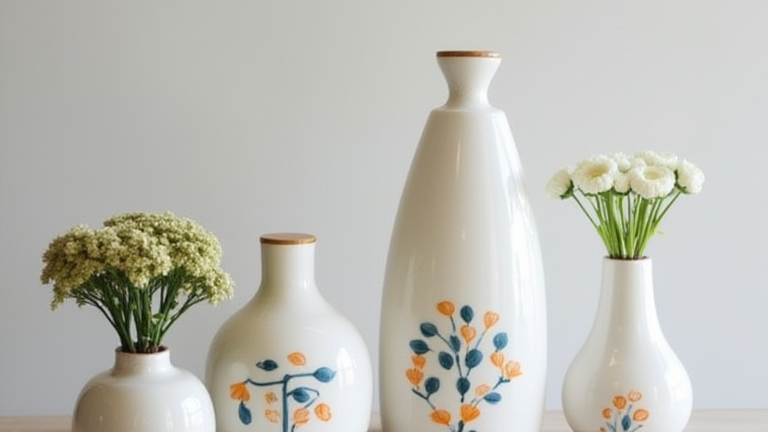
TL;DR: To decorate porcelain vases, apply heat-resistant adhesive or specific ceramic paints to a clean, dry surface, then seal with a clear coat. This process allows you to create unique, durable home decor pieces without damaging the delicate material.
Preparation and Safety
Begin by selecting a high-quality porcelain vase. Porcelain is known for its durability and smooth finish, making it an excellent canvas for artistic expression. Before starting, ensure the workspace is well-ventilated. You will need rubbing alcohol, a soft lint-free cloth, and a clean, dust-free area to work. Cleaning is crucial because any dust or oil residue will prevent adhesives and paints from bonding properly to the glossy surface. Wipe the entire exterior of the vase with a cloth dampened with rubbing alcohol. Allow it to air dry completely. This step ensures that your decorations adhere evenly and last for years without peeling or flaking. Take your time during this phase, as rushing can lead to a messy or uneven final product.
If you want to dig deeper, check out our guide on 7 QuickBooks Online Features That Save Small Business Owners.
Applying Designs
Once the vase is clean and dry, choose your design method. You can use ceramic-specific paints, decoupage glue, or heat-resistant adhesives for stickers and fabric. If using paint, thin coats are better than thick ones to prevent dripping. Start with a base color if desired, allowing each layer to dry fully before adding details. For intricate patterns, consider using stencils or masking tape to create crisp lines. Porcelain’s non-porous nature means that standard craft paints may not adhere well, so always verify that your materials are labeled for use on ceramic or glass surfaces. Work from the bottom up to avoid drips running down the finished sections. Be mindful of the vase’s curvature, as it may require gentle pressure to keep tools steady.
Finishing and Sealing
After your design is complete, allow it to cure for at least twenty-four hours. This waiting period is vital for durability. Next, apply a clear, waterproof sealer. A polyurethane-based sealant works well for non-food contact vases. Apply two to three thin coats, sanding lightly between coats if necessary for a smooth finish. Avoid using the vase for fresh flowers until the sealant is fully cured, as water can compromise the bond. Proper sealing protects your artwork from moisture and daily handling. With these steps, your porcelain vase becomes a stunning centerpiece that reflects your personal style. Remember, patience and precision yield the best results in ceramic decoration projects.
FAQ
Q: Can I use regular acrylic paint on porcelain vases?
A: No, regular acrylic paint is not water-resistant and will likely peel off when washed or exposed to humidity. Use ceramic-specific paints or seal your acrylic work with a strong, waterproof topcoat designed for glass and ceramics to ensure longevity.
Q: Is it safe to put fresh flowers in a decorated vase?
A: It is generally safe for fresh flowers if the decoration is sealed with a food-safe, non-toxic sealant. However, avoid placing live plants in vases decorated with materials that release fumes or have not been fully cured, as this could harm the plant or taint the water.
Q: How do I remove paint if I make a mistake?
A: If the paint is still wet, wipe it away immediately with a cloth dampened with rubbing alcohol or acetone. Once dry, it is much harder to remove without damaging the porcelain. You may need to gently sand the area with fine-grit sandpaper before reapplying your design.
Leave a Reply