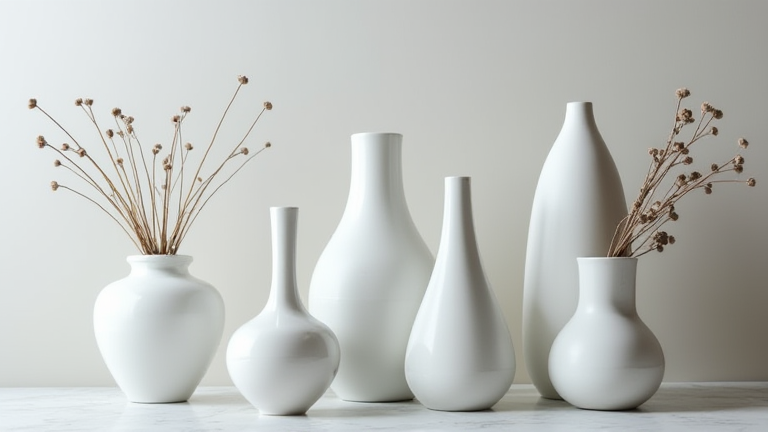
TL;DR: Porcelain vases pose minimal health risks when intact, but broken fragments can cause physical injury while lead glazes on older pieces may leach toxins. Safe cleaning involves gentle, non-abrasive methods and regular inspection to prevent structural compromise or chemical exposure.
Understanding the Material Risks
Porcelain is a ceramic material made by heating a combination of raw materials, including kaolin clay, feldspar, and silica, to very high temperatures. This process creates a dense, vitrified body that is generally non-porous and chemically stable. For most modern consumers, porcelain vases are considered safe for decorative use. However, health and wellness experts advise caution regarding two specific areas: physical integrity and surface chemistry. While the body of the vase is inert, the glaze applied to the surface can vary significantly in composition depending on the era of manufacture and the intended use.
If you want to dig deeper, check out our guide on The Rise of Quiet Luxury: Why Minimalist Leather Totes Are T.
Modern porcelain produced for home decoration is typically lead-free and food-safe, adhering to strict regulatory standards. In contrast, vintage or antique porcelain vases, particularly those manufactured before the 1970s, may contain lead or cadmium in their glazes. If these glazes are chipped or worn, they can leach heavy metals. While the primary risk from a decorative vase is not ingestion, handling chipped antique pieces without gloves can transfer trace amounts of lead to the skin, which is then easily ingested through hand-to-mouth contact. This is a significant concern for households with children or pets who might chew on broken shards.
Physical Hazards and Structural Integrity
The most immediate health risk associated with porcelain vases is physical trauma. Porcelain is hard but brittle. A single impact can cause micro-fractures that are invisible to the naked eye but weaken the structural integrity of the vase. These hairline cracks can propagate over time, leading to sudden shattering. If a vase breaks, the resulting shards are extremely sharp and can cause deep lacerations. In a wellness context, preventing such injuries is paramount. Keeping vases in stable, elevated locations away from high-traffic areas reduces the risk of accidental drops. Furthermore, regular inspection is crucial. Run a finger lightly over the surface to feel for any chips or rough spots that could snag skin or indicate underlying weakness.
Safe Cleaning Protocols
Proper cleaning maintains both the aesthetic appeal and the safety of your porcelain vases. Avoid using harsh chemical cleaners or abrasive scrubbers, which can degrade the glaze and potentially expose underlying clay or metal components. Instead, use a soft, lint-free cloth and warm water with a mild, pH-neutral dish soap. For dust removal, a microfiber cloth is ideal as it attracts particles without scratching the surface. If the vase has intricate details, use a soft-bristled brush, such as a clean makeup brush, to gently dislodge dust from crevices. Always dry the vase immediately after washing to prevent water spots and mineral buildup, which can alter the surface texture. For antique pieces, consider consulting a professional conservator for deep cleaning to ensure the glaze remains intact.
Lifestyle Tips for Well-Being
Incorporating porcelain vases into your home environment can enhance aesthetic pleasure and reduce stress, contributing to overall mental wellness. Choose pieces that reflect your personal style and create a calming atmosphere. Ensure that the placement of your vases allows for easy access for cleaning and inspection without requiring precarious stretching or climbing. By treating these items with care and respect for their material properties, you safeguard your health while enjoying the beauty of well-crafted ceramics. Remember that preventive maintenance is the cornerstone of safe home living.
FAQ
Q: Can I use a porcelain vase for fresh flowers?
A: Yes, if the vase is labeled as food-safe or lead-free. For antique pieces, avoid using them for water storage or fresh flowers to prevent potential leaching of heavy metals into the water, which could be absorbed by the plant or splash onto surfaces.
Q: How do I know if my porcelain vase contains lead?
A: You can use a lead
Leave a Reply