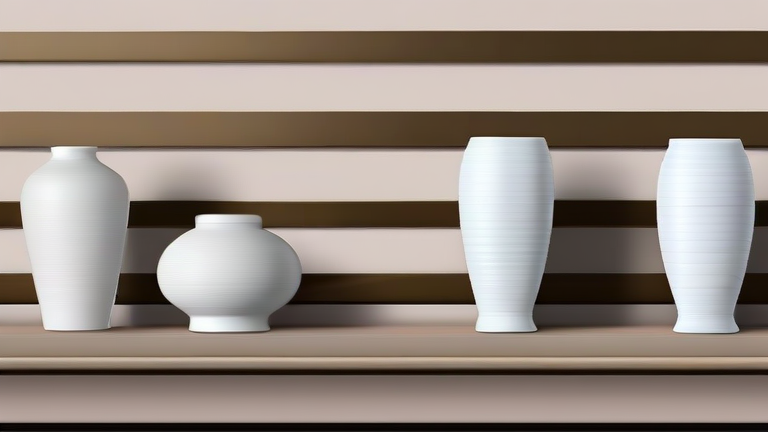
TL;DR: Porcelain vases are non-porous and glazed, creating a surface that is inherently resistant to bacterial growth and easy to sanitize. Their chemical inertness ensures they do not leach harmful substances into water or flowers, making them a hygienic and safe choice for any home.
The Science of a Non-Porous Surface
In the realm of home health and hygiene, the materials we choose for household items play a significant role in maintaining a clean living environment. Porcelain is a type of ceramic that is fired at extremely high temperatures, typically between 1,300 and 1,400 degrees Celsius. This intense heat fuses the clay particles together, resulting in a material that is virtually non-porous. Unlike terracotta or unglazed stoneware, which can absorb water and harbor mold spores or bacteria within their microscopic pores, high-quality porcelain provides a smooth, sealed barrier. This scientific property is crucial for items that hold water, such as vases. Because the surface does not absorb moisture, it prevents the creation of a breeding ground for pathogens. From a health perspective, this means that a porcelain vase is less likely to develop the slimy residue often associated with neglected flower arrangements. It simplifies the cleaning process, allowing for thorough sanitization with standard household disinfectants without the fear that the material itself is absorbing and retaining contaminants.
If you want to dig deeper, check out our guide on Porcelain Vase Care: 5-Step Cleaning & Maintenance Tutorial.
Chemical Inertness and Safety
Another critical aspect of porcelain’s health benefits is its chemical inertness. When you place a vase on a counter or use it to hold fresh flowers, you want assurance that the material is not interacting negatively with its contents. Porcelain is chemically stable and does not leach lead, cadmium, or other heavy metals into the water, provided it is made from reputable, compliant sources. This is a common concern with lower-quality ceramics or those with improper glazes. For individuals with sensitivities or those looking to maintain a toxic-free home, porcelain offers peace of mind. The glaze on modern porcelain vases is designed to be food-safe and watertight, ensuring that the water remains pure. This is particularly important if you use the vase for decorative purposes in kitchens or dining areas, where hygiene standards are naturally higher. By choosing porcelain, you are selecting a material that stands the test of time without degrading or releasing particulates into your home environment.
Lifestyle Tips for Hygiene
To maximize the health and hygiene benefits of your porcelain vase, incorporate a few simple lifestyle habits. First, change the water in your vase every two to three days. Even though the vase itself is hygienic, the water can become a medium for bacterial growth due to organic matter from the stems. Second, wash the vase with warm soapy water after each use. Because porcelain is non-porous, it dries quickly and completely, which is essential for preventing mold. Avoid leaving water sitting in the vase for extended periods if it is not holding flowers. Third, inspect the glaze regularly. If you notice any cracks or chips, consider replacing the item, as these imperfections can compromise the non-porous seal. Finally, use the smooth surface to your advantage by wiping it down with a microfiber cloth during your regular dusting routine. This keeps the vase looking pristine and ensures no dust or allergens accumulate on the surface. By integrating these practices, you maintain not only the aesthetic appeal of your porcelain vase but also its function as a hygienic element in your home. The combination of material science and simple maintenance makes porcelain a superior choice for health-conscious living.
FAQ
Q: Can porcelain vases harbor mold if not cleaned properly?
A: While porcelain is non-porous, mold can grow on the surface if organic matter from flowers and water is left to sit. Regular cleaning prevents this.
Q: Is porcelain safer than plastic for holding water?
A: Yes, porcelain is chemically inert and does not leach microplastics or BPA, making it a safer long-term option for water contact.
Q: How often should I sanitize my porcelain vase?<
Leave a Reply