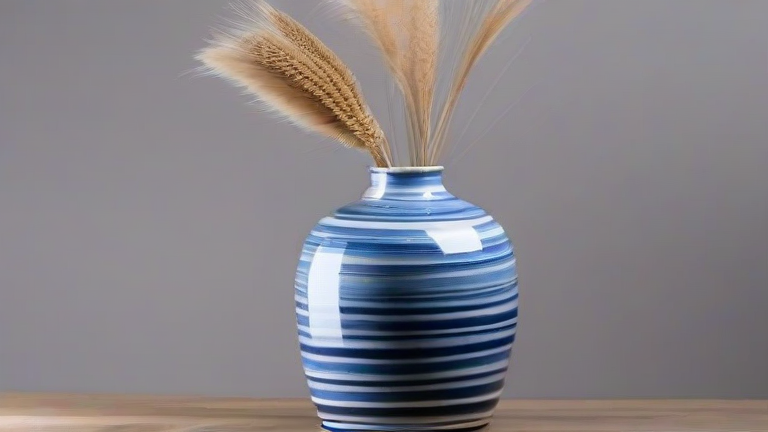
Porcelain Vase Safety: Avoiding Lead & Cadmium Health Risks
TL;DR: To safely use porcelain vases, always select items labeled “lead-free” or “food-safe” and avoid using decorative or vintage pieces for holding water or food. Regularly washing new vases with warm soapy water before their first use significantly reduces any potential trace contamination from the manufacturing process.
Understanding the Hidden Chemicals
Porcelain is a highly refined ceramic material known for its durability and aesthetic elegance. However, not all porcelain is created equal. Traditional glazing processes often involve the addition of lead oxide to lower the melting temperature of the glaze and enhance its gloss. Similarly, cadmium is sometimes used to create bright, stable colors like reds and yellows. While modern manufacturing standards have tightened significantly, older pieces, imported goods, or those made with artisanal methods may still contain trace amounts of these heavy metals. When lead or cadmium leaches out of the glaze, particularly if the surface is scratched or worn, it poses serious health risks. Chronic exposure to lead can affect the nervous system, kidneys, and cardiovascular health, while cadmium exposure is linked to kidney damage and bone abnormalities.
If you want to dig deeper, check out our guide on The Viral Skincare Trend: Why Niacinamide Serums Are Everywh.
Science-Backed Safety Guidelines
The primary defense against heavy metal exposure from porcelain vases is informed purchasing and proper usage. According to the U.S. Consumer Product Safety Commission (CPSC), lead-safe products must meet specific limits regarding lead content in the substrate and lead in the surface coating. When shopping for new vases, look for certifications such as “California Prop 65 compliant” or explicit “lead-free and cadmium-free” labels. These labels indicate that the manufacturer has tested the product to ensure that heavy metal levels are below the threshold for safe human exposure.
It is crucial to distinguish between functional and decorative porcelain. Vases intended for holding water, such as those used for fresh flowers, should always be certified food-safe. Decorative vases, which are not meant to contain liquids, may have different glazing compositions. If you possess vintage or antique porcelain vases, treat them strictly as decorative objects. Never use them to store drinking water, fruit, or any consumable items. The acidity of certain liquids, such as lemon water or wine, can accelerate the leaching of metals from compromised glazes, so avoid using any vintage ceramic for acidic substances.
Lifestyle Tips for Safe Usage
Incorporating simple habits into your home routine can further minimize risk. First, inspect your porcelain vases regularly for chips, cracks, or significant wear on the glaze surface. Damaged areas expose the underlying clay body, which may contain higher concentrations of heavy metals. If you find damage, discontinue using that specific item for water or food. Second, wash all new porcelain items thoroughly before their first use. This simple step helps remove any residual dust or loose particles that may have accumulated during shipping and storage. Third, be cautious with imported ceramics. While regulations are strict in many developed nations, standards can vary globally. If you purchase decorative porcelain from international markets, prioritize items that explicitly state they are safe for household use or keep them in dry, decorative roles only.
Finally, consider the context of use in your home. If you have young children or pets, be extra vigilant. Curious fingers and paws can interact with damaged ceramics more frequently than adults. Keeping fragile or unverified porcelain in high places or behind glass display cases reduces the likelihood of accidental breakage and subsequent exposure to fragments. By staying informed and proactive, you can enjoy the beauty of porcelain art without compromising your health.
FAQ
Q: How can I test my porcelain vase for lead at home?
A: You can purchase lead swab kits from hardware stores or online retailers. Rub the swab on the glaze surface; if it turns black, it indicates the presence of lead. However, these tests are not perfect and cannot detect cadmium, so they should be used as a preliminary check rather than a definitive safety certification.
Q: Is it safe to use vintage porcelain vases for holding fresh flowers?</strong
Leave a Reply