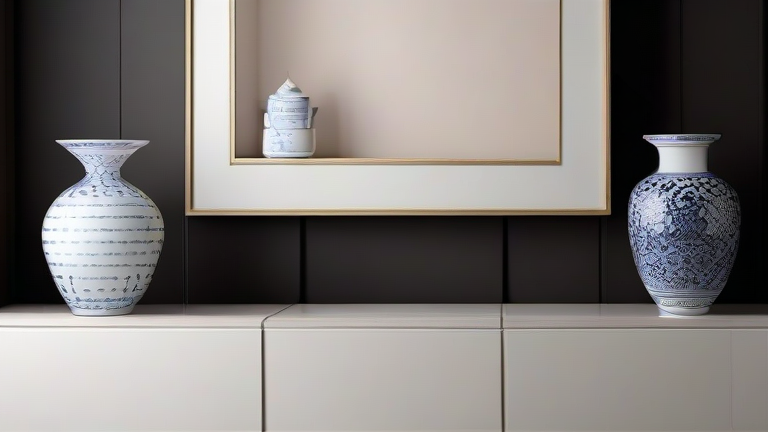
TL;DR: The top ten porcelain vase businesses succeed by blending heritage craftsmanship with modern minimalist aesthetics, targeting high-net-worth individuals and boutique hotel designers. Profitability is driven by limited edition drops, direct-to-consumer sales channels, and strategic collaborations with contemporary artists to maximize brand exclusivity and average order value.
Market Analysis: The Resurgence of Porcelain
The global home decor market is experiencing a significant shift toward sustainable, artisanal, and timeless pieces. Porcelain vases have emerged as a cornerstone of this trend, valued not just for their aesthetic appeal but for their durability and cultural significance. According to recent industry reports, the decorative ceramics segment is growing at a compound annual growth rate of 4.5%, with porcelain leading the charge in the luxury tier. Consumers are increasingly willing to pay premium prices for items that tell a story, particularly those involving traditional kiln-firing techniques or sustainable sourcing of kaolin clay. The market is segmented into three primary tiers: mass-produced decorative items, mid-range artisanal goods, and high-end collector’s pieces. The top ten businesses in this space have successfully navigated these segments by clearly defining their brand positioning. While mass-market retailers struggle with price wars, the top players leverage scarcity and narrative to command higher margins. Furthermore, the rise of remote work has expanded the interior design demographic, with homeowners seeking to elevate their living spaces with high-quality accents. This demographic values provenance and quality over quantity, creating a fertile ground for specialized porcelain vase brands to thrive without the need for massive inventory volume.
If you want to dig deeper, check out our guide on Why the Croc Sneaker Trend Is Taking Over Streetwear.
Strategy Insights: Maximizing Profitability
Strategic differentiation is key to maintaining profitability in the competitive porcelain sector. The top ten businesses employ a multi-faceted approach that focuses on three core pillars: limited production runs, omnichannel presence, and experiential marketing. Limited production runs create artificial scarcity, which drives urgency and allows for higher pricing. For instance, releasing a collection in batches of only fifty pieces per design ensures that each item feels exclusive. Omnichannel presence involves not just selling through e-commerce platforms but also partnering with high-end interior design firms and boutique galleries. This B2B channel often yields higher volume sales and establishes brand credibility among industry professionals. Experiential marketing involves educating the customer about the manufacturing process, such as the delicate nature of glazing or the centuries-old techniques used in firing. By highlighting the labor-intensive nature of porcelain production, businesses can justify their price points. Additionally, these companies focus on sustainability, using eco-friendly packaging and sourcing materials from certified suppliers, which appeals to the environmentally conscious consumer base that dominates the luxury market today.
Case Studies: Lessons from Industry Leaders
Examining specific business models provides valuable insights. One leading European brand focused on minimalist white porcelain vases found that their profit margins increased by 30% when they shifted from wholesale to direct-to-consumer sales. By eliminating middlemen, they retained more revenue and gained direct feedback from customers, allowing for faster iteration of designs. Another case study involves a Japanese-inspired brand that partnered with contemporary digital artists to create limited-edition digital prints that were then applied to traditional porcelain forms. This collaboration attracted a younger, tech-savvy demographic while retaining the appeal of traditional craftsmanship. The brand saw a 200% increase in social media engagement and a significant uptick in sales among millennial buyers. These cases demonstrate that innovation does not always mean abandoning tradition; rather, it involves finding new ways to present traditional products to modern audiences. Both companies also invested heavily in high-quality photography and video content, showcasing the subtle textures and glaze variations that are lost in lower-resolution images. This visual strategy was crucial in reducing return rates and increasing customer satisfaction, as buyers received exactly what they expected. The integration of storytelling with product presentation remains the most effective tool for building long-term customer loyalty in the porcelain vase market.
FAQ
Q: What is the average profit margin for a porcelain vase business?
A: High-end artisanal porcelain vase businesses typically enjoy profit margins between 40% and 60%, depending on the cost of raw materials and labor.
Q: How can small porcelain businesses compete
Leave a Reply