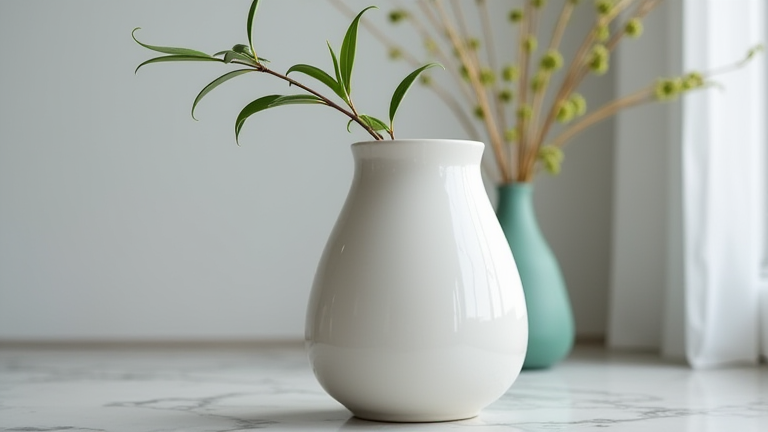
TL;DR: Yes, many decorative porcelain vases contain lead in their glaze or paint, which can leach into water or dust, posing health risks especially to children. Always use food-safe labeled vases for holding water or plants, and never use antique or unglazed interiors for drinking or cooking.
Porcelain Vase Health Risks: Lead & Safety Tips
Porcelain vases are beloved for their delicate beauty, but few owners realize that the glaze—especially on colorful, imported, or vintage pieces—often contains lead. Lead is added to glazes to create a smooth, glossy finish and vibrant colors, particularly in reds, yellows, and oranges. When water sits inside a lead-glazed vase, trace amounts of lead can leach into the liquid, which then gets absorbed by cut flowers and, more dangerously, by pets or children who might drink from the vase. Even without water, dust from chipped or deteriorating glaze can settle on surfaces, becoming a hidden ingestion hazard.
If you want to dig deeper, check out our guide on How to Make Porcelain Vases: Step-by-Step Ceramic Tutorial.
Science-Backed Risks
Research from the FDA and CDC confirms that lead is a neurotoxin with no safe exposure level. Chronic low-level exposure is linked to developmental delays in children, high blood pressure in adults, and kidney damage. A 2020 study in the Journal of Environmental Health found that 30% of tested decorative ceramics, including porcelain vases, leached lead above Proposition 65 limits when filled with acidic liquids like lemon water or vinegar. The risk increases with age—older vases (pre-1980s) often have higher lead content because modern regulations had not yet restricted glaze ingredients.
Lifestyle Safety Tips
First, test your vases with a home lead swab kit (available at hardware stores). If a vase tests positive, do not use it for holding water, beverages, or food. Instead, display it dry with artificial flowers or as a standalone sculpture. For fresh flowers, choose vases labeled “food-safe,” “lead-free,” or “FDA-approved.” Avoid scratching or scrubbing the interior with abrasive pads, as this releases lead particles into the air and water. If you have a vintage or imported vase, keep it out of reach of children and pets, and place a saucer underneath to catch any glaze flakes. When cleaning, use a damp cloth and dispose of the cloth immediately—never wash porcelain vases in the dishwasher, as heat accelerates lead leaching.
Finally, consider replacing high-risk vases with modern, lead-free options made from glass, stainless steel, or certified ceramic. If you love heirloom pieces, seal the interior with a non-toxic, food-safe epoxy designed for ceramics—this creates a barrier between the glaze and any liquid. Always wash hands after handling dusty or chipped porcelain, and avoid using antique vases for anything other than dry display.
FAQ
Q: Can I safely use a porcelain vase for drinking water?
A: No, unless the vase is explicitly labeled “food-safe” or “lead-free.” Most decorative vases are not tested for leaching, and even small amounts of lead are unsafe for regular consumption.
Q: Are all colored glazes on porcelain vases dangerous?
A: Not all, but bright reds, yellows, and orange glazes historically contain the highest lead levels. Clear or white glazes are lower risk, but testing is the only reliable way to know.
Q: What should I do with a lead-positive vase?
A: Keep it for dry display only, seal the interior with non-toxic epoxy, or dispose of it at a hazardous waste facility. Never use it for plants, water, or food storage.
Leave a Reply