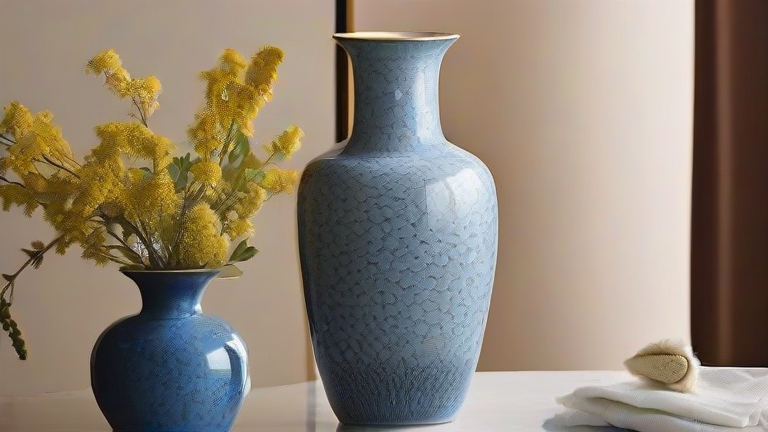
TL;DR: To care for porcelain vases, handle them with clean, dry hands and store them in a stable, shock-free environment. Clean them gently with mild soap and lukewarm water, avoiding abrasive materials that can scratch the delicate glaze.
Understanding the Fragility
Porcelain is a refined ceramic material known for its translucency, strength, and delicate beauty. However, despite its hardness, porcelain vases are susceptible to thermal shock, physical impact, and chemical erosion. Proper care ensures that your investment retains its aesthetic value and structural integrity for generations. This guide provides a comprehensive approach to maintaining the pristine condition of your porcelain collectibles.
If you want to dig deeper, check out our guide on Porcelain Vases & Health: Do They Contain Lead?.
Step 1: Safe Handling Protocols
Always handle your porcelain vase with clean, dry hands. Oils and moisture from fingers can leave persistent stains or cause condensation inside the vase, leading to mold or mineral deposits. If the vase has a narrow neck, consider using a soft cotton cloth to grip the base rather than the rim. Avoid wearing rings or bracelets while handling the piece, as these can snag on the glaze or cause accidental slips. When moving the vase, support it from the bottom to distribute weight evenly and prevent stress fractures.
Step 2: Proper Storage Techniques
Store porcelain vases in a location with a consistent temperature and humidity level. Extreme fluctuations can cause the material to expand or contract, potentially leading to cracks. Avoid placing vases in direct sunlight for prolonged periods, as UV rays can fade painted details and weaken the ceramic over time. If you have multiple vases, ensure they are not stacked or touching each other. Use acid-free tissue paper or soft foam dividers to separate them. For long-term storage, wrap the vase in a soft, lint-free cloth and place it in a sturdy box with padding.
Step 3: Daily Maintenance and Dusting
Dust your porcelain vase regularly using a soft, dry microfiber cloth or a feather duster. Gently wipe the surface in circular motions to remove dust particles without applying excessive pressure. Avoid using rough cloths or paper towels, as these can scratch the glaze. If the vase is decorative and not used for water, you can also use a vacuum cleaner with a soft brush attachment to remove dust from intricate patterns or hard-to-reach areas. This routine prevents the buildup of grime that can be difficult to remove later.
Step 4: Cleaning Procedures
For a deeper clean, mix a few drops of mild, pH-neutral dish soap with lukewarm water. Dampen a soft cloth with the solution and gently wipe the exterior and interior of the vase. Rinse the cloth frequently to remove dirt and soap residue. After cleaning, rinse the vase thoroughly with clean water to remove any soap film. Dry the vase immediately with a soft towel to prevent water spots. For stubborn stains, you can use a mixture of baking soda and water to create a gentle paste, but test it on an inconspicuous area first to ensure it does not affect the glaze. Never use abrasive cleaners, bleach, or ammonia, as these can damage the porcelain surface.
Step 5: Repairing Minor Damage
If your porcelain vase has a small chip or crack, do not attempt to repair it yourself unless you have professional experience. Improper repairs can worsen the damage. Contact a professional ceramic restorer who specializes in porcelain. They can use specialized adhesives and techniques to restore the vase to its original appearance. Preventative care is always better than repair, so continue to follow the handling and cleaning steps outlined in this guide.
Pro Tips for Longevity
Rotate your vases regularly to ensure even exposure to light and air. Check the seal of any stoppers or lids to ensure they are not trapped by moisture. Keep your collection away from high-traffic areas to minimize the risk of accidental bumps. Educate household members and guests about the fragility of the pieces to foster a culture of careful handling.
FAQ
Q
Leave a Reply