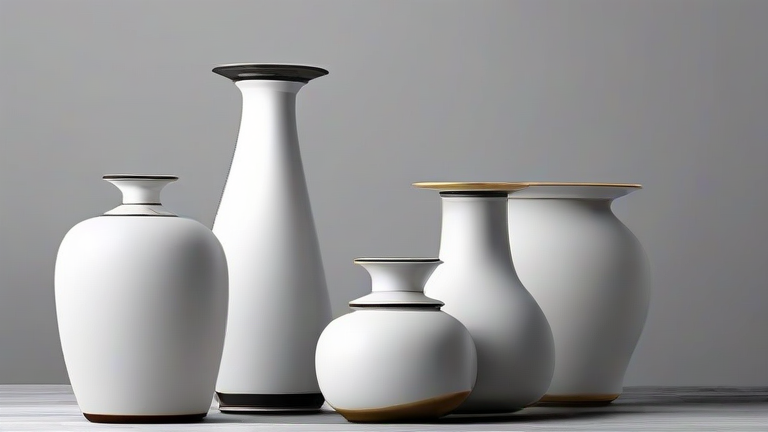
TL;DR: Modern porcelain vases are generally lead-free, but antique or unglazed pieces may contain trace amounts of lead in their glazes. To ensure safety, use modern ceramics for food and drink contact, and wash antiques thoroughly before display.
The Lead Concern in Ceramic Decor
Porcelain vases have adorned homes for centuries, serving as elegant vessels for flowers, candles, or purely decorative purposes. However, a common health anxiety revolves around the presence of lead in these items. Lead is a toxic heavy metal that has been linked to neurological issues, kidney damage, and developmental problems in children. Historically, lead was added to ceramic glazes to lower melting points and enhance the gloss and color vibrancy of the finish. This practice was widespread in the 18th and 19th centuries. Consequently, many vintage and antique porcelain vases do contain lead. The risk arises primarily if the glaze is damaged, worn, or if the vase is used to store acidic liquids like wine, lemonade, or vinegar. Acids can leach lead from the glaze into the contents, creating a potential health hazard.
Modern Manufacturing Standards
For collectors and consumers purchasing new porcelain vases, the risk is significantly lower. In many developed countries, including the United States and the European Union, strict regulations govern the use of heavy metals in consumer products. The Consumer Product Safety Commission (CPSC) and the Food and Drug Administration (FDA) set limits on lead and cadmium leaching for items intended to hold food or beverages. Modern porcelain is typically fired at high temperatures, which stabilizes the glaze and reduces the likelihood of leaching. Furthermore, contemporary manufacturers have largely replaced lead-based glazes with tin or zirconium-based alternatives that offer similar aesthetic qualities without the toxic risk. Therefore, a new porcelain vase bought from a reputable retailer is almost certainly safe for general household use.
Safe Handling and Maintenance Tips
To maximize safety, especially with vintage pieces, follow these lifestyle tips. First, inspect your vases for any cracks, chips, or wear in the glaze. Damaged glaze exposes the underlying clay or lead-bearing layers, increasing leaching potential. If you own antique porcelain, avoid using it to store acidic liquids or food. Use it strictly for dry flowers, artificial plants, or as a standalone decorative object. Second, wash your vases before first use. Even new items can have dust or manufacturing residues that may contain trace impurities. Use warm water and mild soap, then rinse thoroughly. Third, keep porcelain vases out of reach of young children. While intact modern vases are safe, children may chip or break them, creating sharp fragments and exposing any underlying materials. Finally, consider testing services. Some laboratories offer leaching tests for antiques, providing peace of mind for high-value collections.
When to Seek Professional Advice
If you suspect you have ingested lead-contaminated liquid or if you notice unusual symptoms in your household, consult a healthcare provider immediately. Regular blood lead level tests can monitor exposure, particularly for children. For most adults with no direct exposure sources, the risk from a properly maintained decorative vase is negligible. By understanding the history of ceramic glazes and adhering to modern safety guidelines, you can enjoy the beauty of porcelain vases without compromising your well-being.
FAQ
Q: Can I use an antique porcelain vase for water?
A: It is not recommended. Antique glazes often contain lead that can leach into water over time, posing a long-term health risk. Use modern, lead-free containers for drinking water.
If you want to dig deeper, check out our guide on The Rise of Quiet Luxury: Why Minimalist Leather Totes Are T.
Q: Does microwaving a porcelain vase release lead?
A: Microwaving does not typically release lead from intact glazes. However, if the vase is damaged or has flaking glaze, it is safer to avoid using it in the microwave or oven to prevent further deterioration and potential exposure.
Q: How can I tell if my vase is lead-free?
A: Look for labels indicating “lead-free” or “food-safe.” For antiques, there is no visible way to confirm safety without
Leave a Reply