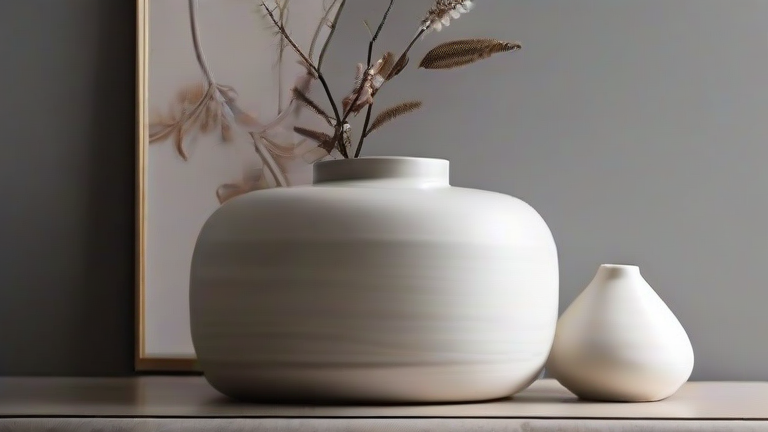
TL;DR: Styling timeless porcelain vases involves balancing symmetry with organic asymmetry to create visual harmony. You can elevate your space by pairing classic white or blue-and-white pieces with natural elements like dried pampas grass or fresh eucalyptus branches.
The Art of Curated Simplicity
In the fast-paced world of modern living, our homes often become cluttered with digital noise and transient trends. Porcelain vases offer a sanctuary of calm. Unlike plastic or glass, which can feel disposable, porcelain carries a weight and history that grounds a room. When you place a hand-thrown porcelain vase on a wooden console, you are not just decorating; you are engaging in a quiet act of cultural appreciation. The smooth, cool texture of the ceramic contrasts beautifully with the warm grain of wood, creating a tactile experience that invites touch and contemplation. This juxtaposition is key to personal growth within your own space, reminding you to appreciate the slow, deliberate craft of traditional pottery in an era of mass production.
If you want to dig deeper, check out our guide on Top Porcelain Vase Businesses: Market Trends & Sales Tips.
Styling for Seasonal Transitions
One of the greatest advantages of porcelain is its versatility across seasons. In winter, choose deep cobalt blue or matte black vases to anchor the room with a sense of depth and warmth. Pair them with dried wheat stalks or pinecones for a rustic yet refined look. As spring arrives, switch to pale celadon or crisp white porcelain. Fill these with vibrant tulips or delicate cherry blossoms to mimic the fleeting beauty of nature. The translucency of thin-walled porcelain allows light to pass through, casting soft shadows that dance across your walls. This dynamic interplay of light and form transforms a static object into a living element of your home’s atmosphere, encouraging you to pause and observe the changing light throughout the day.
Cultural Resonance and Personal Narrative
Every vase tells a story. A blue-and-white porcelain piece might echo the trade routes of the Ming Dynasty, connecting your living room to centuries of global exchange. By incorporating such items, you bridge the gap between the past and present. Use these pieces as conversation starters during dinner parties, sharing the origin of your collection. This cultural connection adds layers of meaning to your hospitality. Furthermore, caring for porcelain requires a gentle hand, fostering a mindful approach to household maintenance. It teaches patience and respect for fragile beauty. Whether you collect vintage finds from local antique markets or commission modern artisans, each piece becomes a testament to your personal aesthetic and values. Elevate your home not just with objects, but with the stories they hold, creating a space that is both visually stunning and deeply personal.
FAQ
Q: How do I clean antique porcelain vases safely?
A: Use a soft, lint-free cloth and lukewarm water with a mild, pH-neutral soap. Avoid abrasive scrubbers or harsh chemicals that can damage the glaze, and dry immediately to prevent water spots.
Q: What type of flowers last longest in porcelain vases?
A: Dried botanicals like lavender, eucalyptus, or pampas grass are ideal for long-term display. If using fresh flowers, change the water every two days and trim stems to extend their life and maintain the vase’s integrity.
Q: Can I place porcelain vases in direct sunlight?
A: It is best to avoid prolonged direct sunlight, as UV rays can fade painted details and cause thermal shock in thin-walled pieces. Place them in areas with bright, indirect light to preserve their color and structural integrity.
Leave a Reply