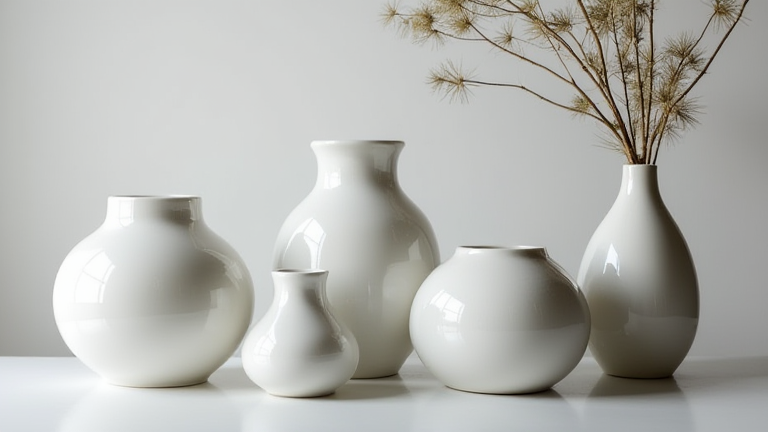
Are Porcelain Vases Safe? Health Facts on Lead & Glazes
TL;DR: Modern porcelain vases from reputable manufacturers are generally safe for home decor because they use lead-free glazes and high-temperature firing processes. However, vintage or imported pieces with decorative lead-based glazes may pose a risk if cracked or used for food storage, so it is best to keep decorative vases strictly for flowers and water only.
Porcelain vases are timeless additions to any living space, adding elegance and structure to interior design. Yet, beneath their glossy finish lies a complex chemical composition that raises valid health concerns for many homeowners. The primary worry revolves around lead and cadmium, heavy metals historically used in ceramic glazes to achieve vibrant colors and a smooth, glass-like texture. While the risk is minimal for most modern items, understanding the science behind ceramic safety empowers you to make informed decisions about what enters your living environment.
If you want to dig deeper, check out our guide on Tech in Porcelain Vases: 3D Printing & Digital Art Trends.
The Science of Ceramic Glazes
Glazes are essentially melted glass that coats the surface of ceramic ware. In the mid-20th century, lead acetate was a common additive because it lowered the melting point of the glaze and produced brilliant, opaque colors. When a vase is fired in a kiln at temperatures exceeding 1,200°C, these metals bond permanently with the ceramic body. If the firing temperature is too low or the glaze is applied improperly, the surface may remain “unsealed.” This allows trace amounts of lead to leach into any liquid placed inside the vessel. Even if the glaze appears intact, microscopic hairline cracks, known as crazing, can develop over time due to thermal shock or age, increasing the surface area exposed to potential leaching.
Regulatory Standards and Modern Manufacturing
Today, the landscape of ceramic safety is governed by strict regulations. In the United States, the Consumer Product Safety Commission (CPSC) and the Food and Drug Administration (FDA) set strict limits on lead and cadmium leaching from ceramic products. Most contemporary porcelain vases sold by major brands are manufactured in facilities that adhere to these standards, using lead-free alternative glazes based on tin or zirconium. These modern formulations are chemically stable and do not release heavy metals under normal conditions. Consequently, a new porcelain vase purchased from a reputable retailer is considered safe for decorative use. The key distinction lies in the intended use: even “food-safe” ceramics should not be used for long-term storage of acidic liquids like wine or lemonade, as acidity can accelerate metal migration. For decorative vases holding water and flowers, the risk is negligible if the item is new and undamaged.
Lifestyle Tips for Safe Home Decor
To ensure your home remains a healthy sanctuary, adopt these simple lifestyle habits regarding your ceramic collections. First, inspect your vases regularly for signs of damage. If you notice deep scratches, chips, or extensive crazing on the interior surface, discontinue using the item for holding water. Replace it with a new, lead-free container or use the damaged vase solely for dry displays. Second, be cautious with vintage antiques. Porcelain pieces from the 1970s or earlier, or those imported from regions with less stringent regulatory oversight, are more likely to contain lead. If you love the aesthetic of an old vase, display it as a standalone art piece without inserting water or flowers. Third, wash your hands after handling old ceramics, especially if you have children or pets who might touch them. Finally, prioritize sourcing new decor from manufacturers who explicitly state “lead-free” or “FDA compliant” on their product labels. By staying informed and vigilant, you can enjoy the beauty of porcelain without compromising your family’s health.
FAQ
Q: Can I use a porcelain vase for drinking water?
A: Only if the manufacturer explicitly certifies the item as food-safe and lead-free; otherwise, use decorative vases only for flowers and non-potable water.
Q: How can I test if my vase contains lead?
A: You can use a commercial lead wipe kit available at hardware
Leave a Reply