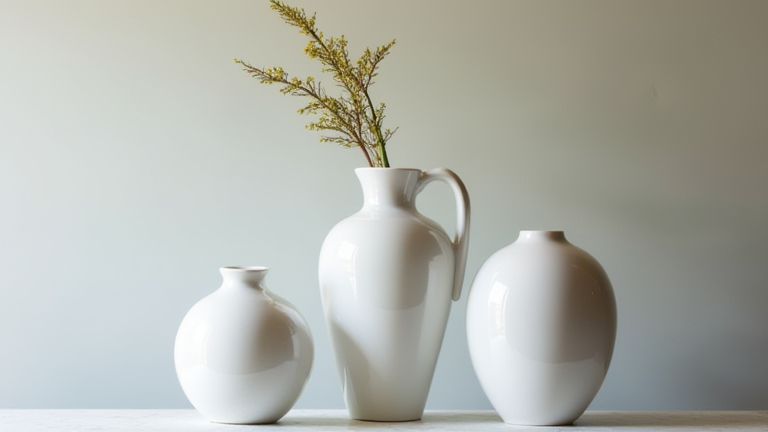
How to Care for Porcelain Vases: Step-by-Step Restoration
TL;DR: Gently clean porcelain vases with lukewarm water and mild soap, avoiding abrasive materials that scratch the glaze. For minor chips, use clear, non-yellowing ceramic adhesive to seamlessly restore structural integrity and aesthetic appeal.
Porcelain is a delicate material prized for its translucency and strength, but it requires meticulous care to maintain its beauty. Proper restoration techniques can extend the life of your vase for generations. Begin by assessing the damage. If the vase is intact, focus on preventive maintenance. Dust it regularly with a soft, dry cloth to prevent grit buildup, which can cause micro-scratches during cleaning. For deeper cleaning, fill a basin with lukewarm water and add a few drops of pH-neutral dish soap. Submerge the vase if it is not too fragile, or use a soft sponge to wipe the exterior and interior. Avoid using hot water, as thermal shock can crack the porcelain. Rinse thoroughly with clean water and dry immediately with a lint-free microfiber cloth to prevent water spots.
If your vase has small cracks or chips, immediate action is crucial. For hairline cracks, a specialized ceramic repair kit can be used. Apply a thin layer of clear ceramic adhesive along the crack line, ensuring it penetrates deep into the fissure. Let it cure according to the manufacturer’s instructions. For missing pieces, you can use a porcelain filler paste. Mix the filler with a drop of clear glue to match the color of the vase, then apply it to the damaged area. Smooth the surface with a damp finger or a soft brush. Once dry, sand gently with very fine-grit sandpaper if necessary, though this should be avoided on glazed surfaces.
For larger breaks, gather all fragments and lay them out in order. Use a strong, clear epoxy resin designed for ceramics. Apply the adhesive to the broken edges and press the pieces together firmly. Clamp them in place with rubber bands or tape if the shape allows. Remove any excess adhesive with a cotton swab dipped in acetone before it hardens. After the repair is complete, polish the surface with a gentle ceramic polish to restore the original shine. Always store restored vases in a stable environment, away from direct sunlight and extreme temperature changes, to prevent future damage.
FAQ
Q: Can I use vinegar to clean my porcelain vase?
A: No, acidic substances like vinegar can etch and damage the glaze over time, so stick to mild, pH-neutral cleaners.
If you want to dig deeper, check out our guide on Health & Beauty: Caring for Your Porcelain Vase.
Q: What is the best adhesive for repairing porcelain?
A: Clear epoxy resin is best for structural repairs, while ceramic-specific fillers work well for cosmetic chips and cracks.
Q: How should I store a restored porcelain vase?
A: Keep it in a dry, stable environment away from direct sunlight and heat sources to prevent thermal shock and further cracking.
Leave a Reply