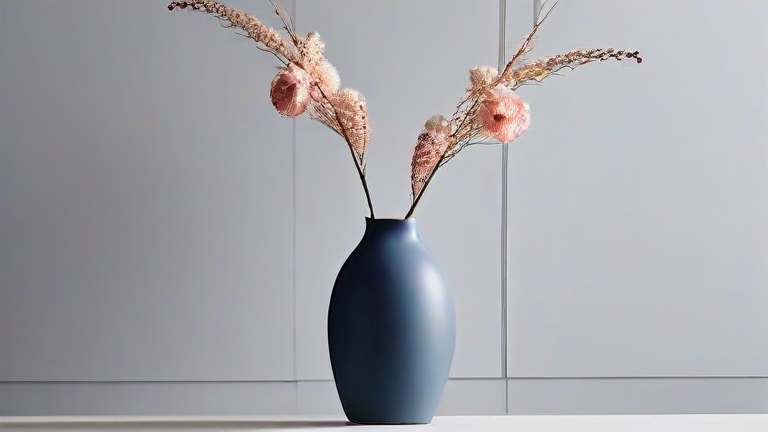
TL;DR: Caring for a porcelain vase is less about scrubbing and more about prevention—use gentle pH-neutral cleansers, avoid thermal shock, and handle with dry, clean hands. Your vase’s luster depends on consistent, low-abrasion maintenance, not harsh chemicals or high heat.
The Science of Porcelain: Why Your Vase Needs “Skin Care”
Porcelain is a ceramic material fired at over 1,300°C, which creates a glass-like, non-porous surface. But that surface is not invincible. Its beauty comes from a thin glaze that can develop micro-cracks (called “crazing”) from sudden temperature changes. Think of your vase like your skin: extreme heat opens pores, extreme cold tightens them, and rapid shifts cause stress lines. Science-backed rule: never place a cold vase under hot water, and never pour boiling water into it. Always allow the vase to acclimate to room temperature before washing.
If you want to dig deeper, check out our guide on Best Crossbody Bags for Travel: 11 Anti-Theft Picks Tested.
Daily & Weekly Rituals for a Flawless Finish
Dust your vase weekly with a soft, dry microfiber cloth—never a feather duster, which can drag fine silica particles and create invisible scratches. For weekly cleaning, fill the vase with lukewarm water (not hot) and add a drop of pH-neutral dish soap. Swirl gently, then rinse with cool water. To dry, invert on a soft towel and pat the exterior with a separate dry cloth. Avoid air-drying upright, as water minerals can leave cloudy deposits. For internal stains from flower residue, use a mixture of 1 part white vinegar to 3 parts water, soak for 15 minutes, then rinse thoroughly. Never use bleach, ammonia, or abrasive sponges—they etch the glaze permanently.
Lifestyle Tips: How You Handle It Matters
Always lift a porcelain vase by its body, not its neck or handles—those are stress points. Wear cotton gloves or ensure your hands are dry and free of lotions; natural skin oils attract dust and can leave a dull film. When placing flowers, trim stems at an angle and use a floral frog or pebbles at the bottom to prevent stems from scraping the interior glaze. Change water every two days to avoid bacterial slime, which can stain the inner walls. Also, keep your vase away from direct sunlight—UV rays can fade delicate hand-painted details and weaken the glaze over years.
Storage & Seasonal Protection
If you store your vase between uses, wrap it in acid-free tissue paper, not newspaper (ink can transfer). Place it upright in a padded box, never stacked. During winter, do not leave your vase near radiators or cold windowsills—thermal stress is the #1 cause of hairline fractures. For high-humidity bathrooms, keep your vase outside; moisture can seep into microscopic cracks and cause “weeping” (water stains). If your vase has gold or platinum trim, avoid any contact with acidic foods or citrus—metal luster reacts chemically.
FAQ
Q: Can I use a dishwasher to clean my porcelain vase?
A: No. Dishwasher detergents are highly alkaline and abrasive, and the heat cycles cause thermal shock. Hand-wash only with lukewarm water and pH-neutral soap.
Q: How do I remove a stubborn dark ring from water inside the vase?
A: Fill the vase with warm water, add 2 tablespoons of baking soda, and let it sit for 1 hour. Then gently swirl with a soft bottle brush. Rinse with cool water—never scrape with metal tools.
Q: Is it safe to display fresh flowers directly in a porcelain vase without a liner?
A: Yes, but only if you change the water every 48 hours and add a pinch of sugar or commercial flower food to slow bacterial growth. For long-term display, use a glass test tube insert to protect the interior glaze from stem acids.
Leave a Reply