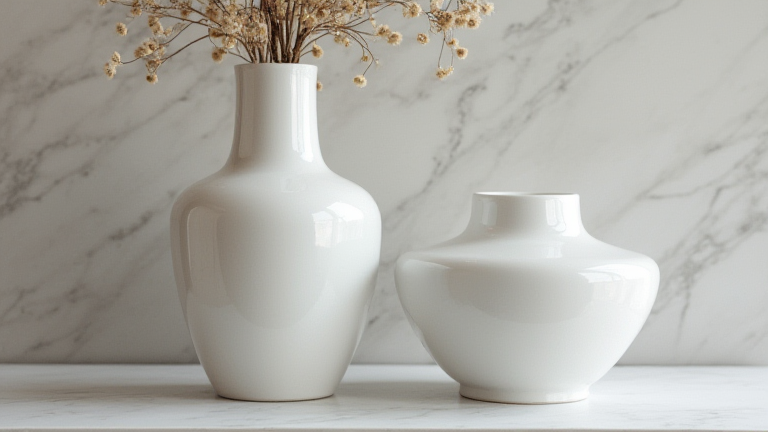
TL;DR: Styling porcelain vases for modern decor involves selecting minimalist shapes and pairing them with organic textures like wood or linen to create visual balance. This approach transforms delicate ceramic pieces into statement anchors that blend cultural heritage with contemporary aesthetics.
The Intersection of Heritage and Modernity
In the rapidly evolving landscape of interior design, there is a persistent allure in objects that carry history. Porcelain vases, with their origins steeped in centuries of craftsmanship, offer a unique opportunity to bridge the gap between traditional artistry and modern minimalism. Unlike mass-produced plastic or glass alternatives, porcelain possesses a tactile quality and a luminous finish that responds to light in ways that synthetic materials cannot. This inherent elegance makes porcelain vases not just decorative items, but cultural artifacts that elevate the spiritual and aesthetic value of a living space. By understanding how to integrate these pieces, homeowners can curate environments that feel both grounded and aspirational.
If you want to dig deeper, check out our guide on Porcelain Vase Health Risks: Is Your Decor Safe?.
Curating Color and Form for Contemporary Spaces
Modern home decor often leans toward neutral palettes, clean lines, and an uncluttered visual field. To ensure porcelain vases fit seamlessly into this framework, selection is key. Opt for vases with simple, geometric silhouettes or subtle organic curves that do not compete with other architectural elements. A sleek, white porcelain vase with a narrow neck serves as a perfect blank canvas, allowing fresh stems or dried branches to take center stage. Alternatively, a matte-finished vase in muted earth tones like terracotta, sage, or charcoal can add depth without overwhelming the space. The goal is to create a dialogue between the vessel and its surroundings. For instance, placing a glossy, deep blue porcelain vase against a textured, off-white linen sofa creates a sophisticated contrast that draws the eye without feeling chaotic. This deliberate pairing highlights the translucency and smoothness of the porcelain, emphasizing its refined character.
Placement and Lighting: Enhancing the Aesthetic
The positioning of your porcelain vases plays a crucial role in their impact. Consider placing them on surfaces that complement their material, such as solid wood consoles, stone countertops, or simple metal stands. Avoid busy backgrounds that might distract from the vase’s intricate details or subtle glaze variations. Lighting is equally important; natural light during the day can highlight the translucency of thinner porcelain pieces, while warm, directional evening lighting can accentuate the contours and shadows cast by the vase’s form. Grouping vases of varying heights and shapes on a single surface can create a dynamic, sculptural arrangement that adds vertical interest to a room. This technique, often seen in high-end design showrooms, turns a collection of individual items into a cohesive artistic statement.
Maintenance and Longevity
To preserve the timeless elegance of your porcelain vases, proper care is essential. Porcelain is durable but can chip if dropped. Clean them gently with a soft, damp cloth and mild soap, avoiding abrasive scrubbers that could scratch the glaze. Store them in a safe, dry location when not in use, especially if they are antique or handmade pieces. Regular maintenance ensures that these vases remain beautiful focal points for years to come, serving as enduring symbols of style and sophistication in your home.
FAQ
Q: Can porcelain vases be used for fresh flowers?
A: Yes, most modern porcelain vases are glazed to be watertight, making them suitable for fresh flowers. Just ensure the interior is clean to prevent bacterial growth.
Q: How do I clean a delicate porcelain vase?
A: Use a soft cloth and mild dish soap with warm water. Avoid harsh chemicals or abrasive sponges that could damage the glaze or finish.
Q: Are porcelain vases durable enough for high-traffic areas?
A: Porcelain is generally strong, but it is still ceramic and can chip if struck. It is best suited for decorative surfaces like mantels or side tables rather than floors.
Leave a Reply