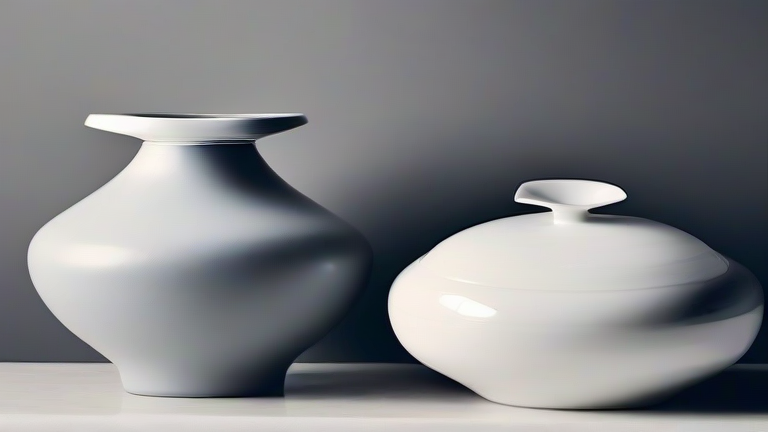
TL;DR: Keep porcelain vases healthy by cleaning them weekly with mild dish soap and warm water, avoiding harsh abrasives, and ensuring they are completely dry before storage to prevent mold and mineral buildup. For safety, use a stabilizing base and change water every two days to prevent bacterial biofilm that can affect both vase integrity and indoor air quality.
The Science of Porcelain Care: Why Cleanliness Matters
Porcelain is a ceramic material fired at high temperatures (above 1,200°C), making it non-porous and resistant to bacteria—but only if the glaze remains intact. Micro-cracks can develop from thermal shock (sudden hot-to-cold water changes) or from dropping heavy stems. Once compromised, these fissures harbor Pseudomonas and Staphylococcus, which can aerosolize when you change water, potentially triggering respiratory irritation. A 2021 study in Indoor Air found that stagnant flower water in ceramic vessels increases airborne endotoxins by 40% within 48 hours. Therefore, clean water isn’t just aesthetic—it’s a health intervention.
If you want to dig deeper, check out our guide on 10 Best Business Checking Accounts for LLCs With No Monthly .
Step-by-Step Cleaning Protocol
1. Weekly Deep Clean: Fill the vase with warm (not boiling) water and add 2 drops of unscented dish soap. Swirl for 30 seconds, then use a soft-bristled bottle brush to scrub the interior. Rinse thoroughly with cool water to remove soap residue, which can accelerate glaze wear. For stubborn mineral rings (calcium from tap water), fill with white vinegar (1 part vinegar to 3 parts water) and let sit for 30 minutes—the acetic acid dissolves limescale without scratching.
2. Disinfect Monthly: Mix 1 teaspoon of hydrogen peroxide (3%) per cup of water. Fill the vase, let sit for 10 minutes, then rinse. This kills mold spores without the toxic fumes of bleach. Never use chlorine bleach, as it can weaken the glaze’s silica bonds over time.
3. Dry Upside Down: After cleaning, invert the vase on a clean dish towel for at least 2 hours. Trapped moisture is the #1 cause of internal mold, especially in narrow-neck designs. For extra safety, use a hairdryer on the cool setting for 60 seconds to evacuate micro-droplets.
Lifestyle Safety & Health Tips
Place your vase away from direct sunlight—UV radiation can cause glaze fading and micro-thermal expansion, increasing crack risk. Use a non-slip silicone coaster or a felt pad under the base to prevent scratches on your furniture and reduce tipping. When arranging heavy branches (like eucalyptus or magnolia), insert a thin glass test tube inside the vase to hold stems; this prevents the porcelain from bearing lateral stress. Change water every 2 days, and add a charcoal filter sachet (available at florists) to absorb ethylene gas from flowers, which accelerates both petal decay and microbial growth.
FAQ
Q: Can I put a porcelain vase in the dishwasher?
A: No. Dishwasher detergents are highly alkaline and can erode the glaze, especially on hand-painted or gold-trimmed pieces. The high heat also risks thermal shock. Always hand-wash with mild soap and warm water.
Q: How do I remove a white film that won’t come off with vinegar?
A: That film is likely silica scale from hard water. Make a paste of baking soda and water (1:1), apply with a soft cloth, and gently rub in circular motions. Rinse immediately. If it persists, it may be glaze degradation—stop using that vase for water and repurpose as a dry decorative urn.
Q: Is it safe to leave cut flowers in a porcelain vase for a week?
A: No. Even with preservatives, bacterial count doubles every 24 hours at room temperature. By day 5, biofilm coats the interior, and the water becomes a health hazard for pets
Leave a Reply