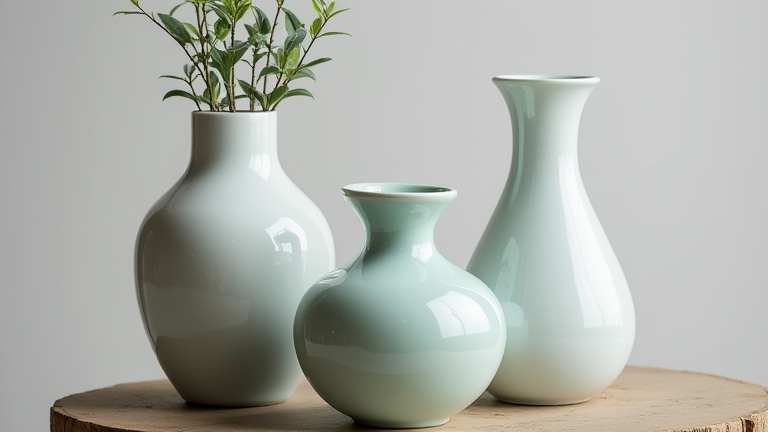
TL;DR: Start by sourcing high-margin, design-led porcelain vases from artisan workshops in Jingdezhen or Limoges, then validate demand via niche online marketplaces before committing to bulk inventory. Succeed by focusing on a specific aesthetic (e.g., minimalism, Ming revival) and leveraging content marketing that demonstrates vase styling, not just product listings.
Market Analysis: The Porcelain Vase Resurgence
The global decorative ceramics market is projected to grow at 4.8% CAGR through 2030, with porcelain vases commanding a premium segment. Key drivers include the “quiet luxury” home decor trend—consumers are shifting from mass-produced polyresin to heirloom-quality pieces. The average selling price for artisan porcelain vases on platforms like Etsy and 1stDibs ranges from $85 (small, minimalist) to $1,200+ (hand-painted, antique-style). However, the market is fragmented: mass-market retailers offer cheap, machine-made vases ($15–$40), while galleries cater to ultra-high-end collectors. The sweet spot lies in the $120–$400 range, targeting interior designers and affluent millennials who prioritize authenticity and imperfection (wabi-sabi aesthetics).
If you want to dig deeper, check out our guide on Porcelain Vase Restoration: Step-by-Step DIY Repair Tutorial.
Strategy Insights: Sourcing, Positioning, and Distribution
Sourcing: Partner with small kilns in Jingdezhen, China, or Limoges, France, but avoid generic white blanks. Instead, commission exclusive glaze colorways—e.g., a matte celadon with crackle texture—to create a signature line. Minimum order quantities (MOQ) can be as low as 50 units per design if you work with cooperatives. Positioning: Don’t sell “vases”; sell “sculptural vessels for dried botanicals” or “conversation starters for console tables.” Use storytelling: each vase should have a name and a firing process note (e.g., “fired at 1300°C for 18 hours”). Distribution: Launch on a Shopify store with a “vase-of-the-month” subscription for interior design firms. Simultaneously, list on Chairish for vintage-inspired designs—this platform drives 30% of high-end ceramic sales. Avoid Amazon; its price war undermines perceived value.
Case Studies: Two Paths to Success
Case 1: “Kiln & Quince” (US-based, launched 2022) Started with 3 designs, each limited to 100 pieces. They posted short Reels showing vases being thrown on a wheel, then used TikTok’s “styling with dried pampas” trend. Within 6 months, they sold out and built a waitlist of 2,000. Their key tactic: pricing at $189 with free shipping, but adding a $25 “personalized calligraphy note” add-on—boosting average order value by 18%. Case 2: “Vessel House” (UK, B2B focus) Instead of selling direct, they pitched to boutique hotel chains and high-end restaurants, offering custom color-matched vases for their lobbies. They secured 3 contracts in year one, each worth $8k–$15k. Their insight: B2B clients reorder every 6 months, providing predictable cash flow. They also offer a “broken vase replacement guarantee,” which reduced buyer hesitation.
FAQ
Q: What is the minimum startup budget for a porcelain vase business?
A: You can start with $3,000–$5,000 if you work with a cooperative kiln on a 50-unit MOQ, covering product costs, simple packaging, and a basic Shopify site. Add $1,500 for professional photography and sample shipping to influencers.
Q: How do I compete with cheap imported vases from big-box stores?
A: You don’t—you differentiate on provenance and design. Emphasize that your vases are handmade, have slight glaze variations (proof of authenticity), and offer a “lifetime chip-repair”
Leave a Reply