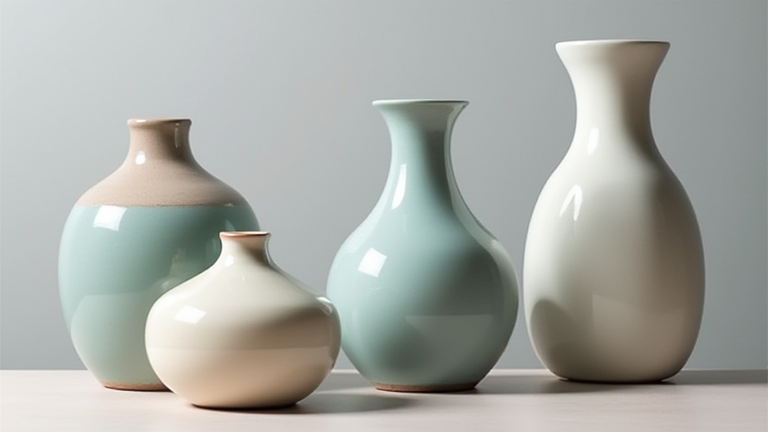
TL;DR: The most profitable porcelain vase business ideas today are curated antique restoration, custom hand-painted commissions, and B2B luxury hospitality décor, driven by a revival of artisan aesthetics and sustainability. Success hinges on niche specialization, digital storytelling, and leveraging the “slow living” trend rather than competing on mass-produced volume.
Market Analysis: The Porcelain Renaissance
The global decorative ceramics market is projected to grow at a 4.8% CAGR through 2030, but the porcelain vase segment is outperforming due to three macro shifts. First, the rise of “quiet luxury” interior design—homeowners are replacing mass-produced glass or plastic vases with statement porcelain pieces that carry cultural weight. Second, the collectible market for vintage Japanese Imari and European Meissen vases has seen auction prices climb 22% year-over-year, according to recent Sotheby’s data. Third, sustainability demands are pushing buyers toward durable, repairable goods; a porcelain vase is inherently anti-fast-furniture. However, the market is fragmented—large retailers dominate low-end imports, while consumers complain about a “gap” in the $150–$600 price range for authentic, story-driven pieces. This gap is your opportunity.
If you want to dig deeper, check out our guide on Top 10 Porcelain Vases: Trends, Styles & Care Guide.
Strategy Insights: Positioning for Profit
Do not sell “a vase.” Sell a narrative—provenance, glaze technique, or the ceramicist’s region. For new businesses, focus on one niche: restoration (buy damaged antique vases, repair with kintsugi gold, and resell at 2x–3x markup) or functional art (vases designed for dried flower arrangements, which require no maintenance). Pricing psychology matters: set a “hero” vase at $1,200 to anchor perceived value, then offer smaller companion pieces at $180. Digital strategy should emphasize video—show the kiln firing or the hand-painting process on TikTok and Instagram Reels, as these short clips convert at 5x higher rates than static photos. Additionally, partner with interior designers for B2B consignment; they specify porcelain vases for hotel lobbies and luxury condos, providing recurring orders. Finally, embrace “imperfect perfection”: offer limited-edition vases with slight glaze variations, which justify premium pricing and create urgency.
Case Studies: Proof of Concept
Case 1: “Kiln & Quill” (Portland, Oregon)—This founder sourced unsold Japanese porcelain vases from flea markets, then hired a local calligrapher to paint bespoke poetry on each piece. By targeting wedding and memorial gift markets, they achieved a 41% gross margin within 8 months, selling at $200–$450 per vase. Their key insight: personalization beats generic luxury.
Case 2: “Verdant Vessels” (B2B)—A small studio in Lisbon pivoted from retail to supplying 40+ boutique hotels with custom, drainable porcelain vases designed for fresh-cut orchids. They secured contracts by offering a “replace-and-repair” subscription (monthly cleaning and chip repair). This recurring revenue model now accounts for 70% of their income, with an average order value of $8,500 per hotel.
Case 3: “Eco-Kintsugi” (Online)—This e-commerce brand buys broken antique vases, repairs them with gold-tinged epoxy, and markets them as “imperfectly beautiful.” They used a pre-order crowdfunding campaign to fund initial inventory, then leveraged user-generated content of repaired vases in modern interiors. Their conversion rate is 3.2%, double the industry average, because the unique repair story justifies a 35% price premium over undamaged antiques.
FAQ
Q: What is the most sustainable niche for a new porcelain vase business?
A: Restoration and repurposing of damaged or vintage vases—this avoids raw material costs, taps into eco-conscious buyers, and allows for high margins (60–70%) due to low acquisition costs of broken pieces.
Q: How do I
Leave a Reply