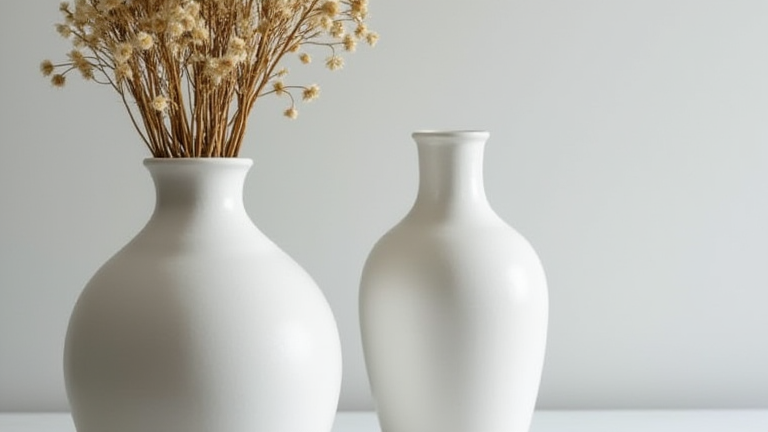
TL;DR: Porcelain vases pose minimal health risks if sourced from reputable manufacturers and maintained properly, as modern standards strictly limit lead and cadmium levels. The primary concerns involve accidental ingestion of lead-containing glazes on vintage pieces, respiratory irritation from accumulated dust, and physical injury from breakage.
Understanding the Material Safety
Porcelain is a type of ceramic material made by heating materials in a kiln to very high temperatures, typically between 1,200 and 1,400 degrees Celsius. This process results in a vitrified, non-porous surface that is generally safer than earthenware. However, the safety of a porcelain vase depends heavily on the glaze composition. While the porcelain body itself is inert, the decorative glazes applied to the surface may contain trace amounts of heavy metals such as lead or cadmium. These metals were historically used to achieve vibrant colors and glossy finishes. In modern production, regulatory bodies like the FDA and CPSC have established strict limits for leachable lead and cadmium. Consequently, new porcelain vases purchased from reputable brands are considered food-safe and pose no significant health threat during normal decorative use. The risk profile changes significantly with vintage or imported items that may have been manufactured under less stringent regulations. It is crucial to distinguish between the ceramic body and the surface treatment when assessing potential hazards.
If you want to dig deeper, check out our guide on Porcelain Vase DIY Tutorial: Step-by-Step Guide.
Lead and Heavy Metal Concerns
The most cited health risk associated with decorative ceramics is the presence of lead. Lead is a neurotoxic substance that can cause serious health problems in humans, particularly in developing children and pregnant women. Symptoms of lead exposure include developmental delays, learning difficulties, irritability, and reduced IQ. In adults, it can cause high blood pressure, joint pain, and memory loss. However, lead leaching is primarily a concern when glazes are damaged, scratched, or acidic substances come into contact with the surface. For a decorative vase that does not hold water or food, the risk is negligible unless the glaze is cracked or the vase is frequently handled with wet hands. Vintage porcelain, especially pieces from the mid-20th century or earlier, is more likely to contain higher levels of lead in the glaze. If you own antique porcelain, it is advisable to avoid using it for drinking water or food storage. For purely decorative purposes, the risk remains low, but maintaining the integrity of the glaze is essential to prevent any potential exposure to heavy metals.
Dust Accumulation and Respiratory Health
Porcelain vases, particularly those with intricate designs, nooks, or textured surfaces, can become reservoirs for household dust. Dust mites, pollen, pet dander, and other allergens can accumulate in these crevices over time. When disturbed by air currents or cleaning activities, these particles can become airborne, potentially triggering allergic reactions or asthma symptoms in sensitive individuals. The smooth, non-porous nature of porcelain makes it easier to clean than fabric, but complex shapes can trap dust in hard-to-reach areas. Regular cleaning is therefore a critical wellness practice. Using a soft, dry brush or a microfiber cloth can help remove surface dust without scratching the glaze. For deeper cleaning, a damp cloth with mild soap is recommended. It is important to dry the vase thoroughly after cleaning to prevent mold or mildew growth, which can also contribute to respiratory issues. By keeping your decorative items dust-free, you reduce the overall allergen load in your home, contributing to better indoor air quality and respiratory health.
Physical Safety and Breakage
Despite their durability, porcelain vases are brittle and can shatter if dropped or struck. The resulting shards can pose a sharp cutting hazard, particularly to children and pets. Broken glass or ceramic fragments can also contaminate surfaces, leading to accidental ingestion or cuts. To mitigate this risk, place porcelain vases in stable locations away from high-traffic areas, windows, or places where they might be bumped. Avoid placing heavy vases on top of unstable furniture or near the edges of shelves. If a vase does break, handle the cleanup with extreme care. Use thick gloves and a broom to sweep up large shards, followed by a sticky tape or damp paper towel to pick up smaller
Leave a Reply