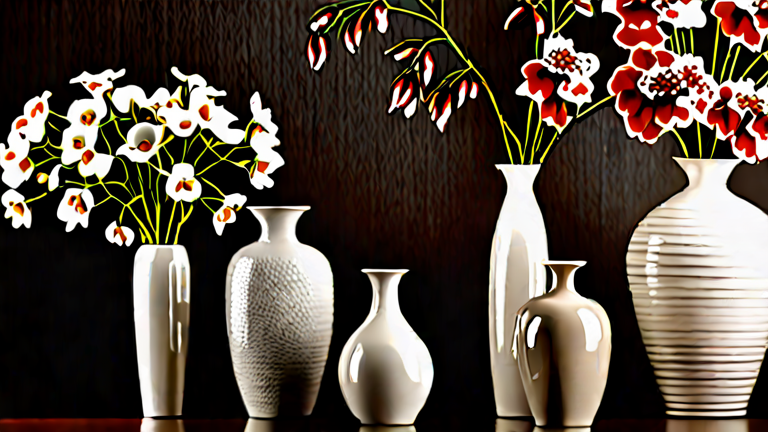
TL;DR: The top 10 porcelain vase brands for luxury home decor are Meissen, Sèvres, Herend, Royal Copenhagen, Wedgwood, KPM Berlin, Rosenthal, Lladró, Bernardaud, and Richard Ginori. These brands dominate the high-end market through artisanal craftsmanship, heritage design, and limited-edition collections that command premium pricing and strong collector demand.
Market Analysis: Porcelain Vases in Luxury Home Decor
The global luxury home decor market continues to expand, with porcelain vases representing a high-margin niche driven by collectors, interior designers, and affluent homeowners. Unlike mass-produced ceramics, luxury porcelain vases from heritage brands retain value and often appreciate, particularly when pieces are hand-painted, numbered, or part of discontinued patterns. Online resale platforms and auction houses report consistent demand for 18th- and 19th-century-style vases from European manufacturers.
If you want to dig deeper, check out our guide on 7 Shopify Store Optimizations That Increase Conversion.
Regionally, European brands dominate the ultra-premium segment, while Japanese and Chinese porcelain houses compete strongly in artistic and antique categories. The key differentiator is provenance: brands with royal warrants, museum partnerships, or centuries-old archives can justify prices ranging from $500 to over $50,000 per vase.
Strategy Insights for Buyers and Retailers
For retailers, curating a mix of iconic patterns and contemporary artist collaborations drives foot traffic and e-commerce conversion. For collectors, focusing on limited editions and signed pieces offers the best long-term value. Brands like Herend and Meissen leverage scarcity through annual limited runs, while Rosenthal and Bernardaud emphasize modern designer partnerships to attract younger luxury buyers.
Authentication remains critical. Counterfeits of top brands circulate widely, so buyers should insist on original boxes, certificates, and hallmarks. Retailers that provide provenance documentation build trust and command higher margins.
Case Studies: Brand Success in Porcelain Vases
Meissen: The German manufacturer’s “Swan Service” vases routinely sell at auction for five figures. Meissen’s strategy of maintaining hand-painting techniques and strict quality control sustains its elite positioning.
Herend: The Hungarian brand’s “Queen Victoria” pattern vases became a favorite of royal families. By limiting production and emphasizing hand-painted floral motifs, Herend maintains waiting lists for certain vases.
Royal Copenhagen: Its “Flora Danica” vases, featuring botanical illustrations, are considered among the most collectible porcelain in the world. The brand’s decision to retire patterns periodically fuels secondary market demand.
Lladró: Known for sculptural porcelain, Lladró’s vases blend fine art and decor. Collaborations with contemporary designers have refreshed its appeal without diluting luxury status.
FAQ
Q: What makes a porcelain vase “luxury” versus standard?
A: Luxury porcelain vases are hand-painted or hand-finished, produced in limited quantities, and carry a brand heritage with documented provenance. They often include gold or platinum accents and come with certificates of authenticity.
Q: Which brand is best for investment?
A: Meissen and Sèvres historically hold the strongest auction value, especially early or limited-edition vases. Herend and Royal Copenhagen also perform well for specific discontinued patterns.
Q: How can I verify a luxury porcelain vase is authentic?
A: Check the maker’s mark on the base, compare it to brand archives, request original packaging and certificates, and consult a reputable appraiser or auction house before purchase.
Leave a Reply