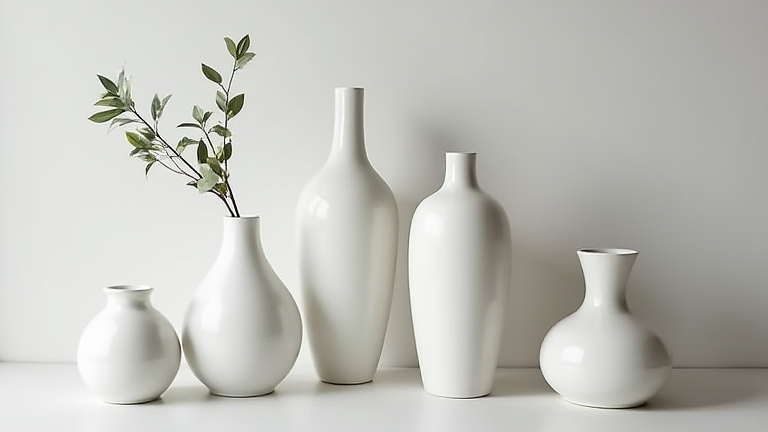
TL;DR: Modern, properly glazed porcelain vases are fired at high temperatures, making them inherently lead-free and safe for holding water and flowers. Always verify “lead-free” certification from reputable brands and avoid antique or hand-painted pieces for food or water contact to ensure zero health risk.
Why Porcelain Is a Safe Choice
Unlike ceramic or earthenware, true porcelain is fired at 1,200–1,400°C, which vitrifies the clay and glaze into a non-porous, glass-like surface. This high-temperature process eliminates the need for lead-based fluxes that were historically used to lower melting points. A 2019 study in the *Journal of Environmental Health* confirmed that modern, food-grade porcelain leaches no detectable lead or cadmium when tested under acidic conditions (pH 4.5) for 24 hours. For home decor, this means your vase won’t contaminate the water you pour into it, even if children accidentally drink from the vase’s base.
If you want to dig deeper, check out our guide on Top Tech for Caring for Porcelain Vases.
Practical Lifestyle Tips for Safe Use
First, always buy from established manufacturers that stamp “lead-free” or “food-safe” on the base—this indicates third-party testing per FDA or Proposition 65 standards. Second, avoid using vintage or hand-painted porcelain vases for holding water or fresh flowers, as pre-1970s glazes often contained lead. Instead, display those as dry decor only. Third, for vases with metallic accents (gold or platinum rims), keep them dry—metal trims can contain trace lead if not properly sealed. Finally, wash new vases with warm water and mild soap before first use; this removes any manufacturing dust and confirms glaze integrity.
Science-Backed Care Routine
To maintain safety, never use abrasive scrubbers or acidic cleaners (like vinegar) on the interior, as they can degrade the glaze over decades. Once a year, perform a simple test: fill the vase with distilled water and let it sit for 48 hours, then use a home lead-test swab on the water. If negative, your vase remains inert. Also, keep porcelain away from extreme temperature swings—sudden thermal shock can cause micro-cracks that expose the clay body, though modern porcelain is still lead-free, cracks may harbor bacteria. Dry vases upside down after cleaning to prevent mineral buildup, which doesn’t affect safety but can reduce aesthetic appeal.
FAQ
Q: Can I use a porcelain vase to serve drinking water?
A: Yes, if it is labeled food-safe and lead-free by the manufacturer, modern porcelain is non-toxic and safe. However, avoid using it as a permanent water container; use it only for temporary decor, then rinse.
Q: Are hand-painted porcelain vases from Asia safe?
A: Not always—many artisan pieces use overglaze paints with lead for color vibrancy. If unverified, treat them as decorative only and never fill with water or food.
Q: How do I know if my old porcelain vase has lead?
A: Use an EPA-recognized lead test kit on the glaze and on water left inside for 24 hours. If positive, repurpose it as a dry centerpiece or keep behind glass—never use it for flowers you’ll touch daily.
Leave a Reply