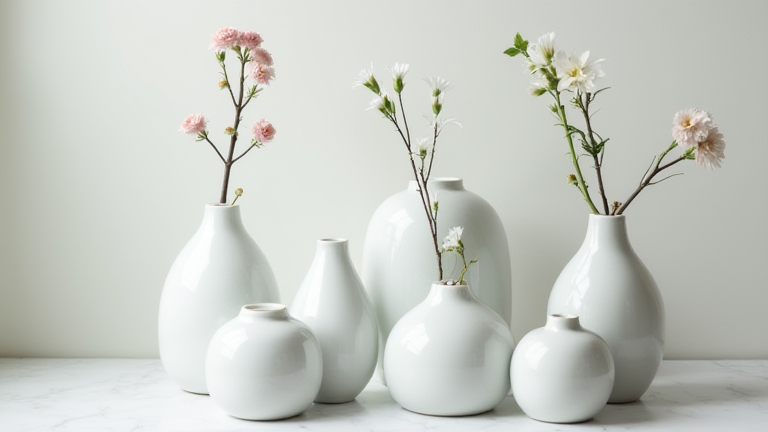
Porcelain Vases & Health: Safety Tips for a Cleaner Home
TL;DR: Porcelain vases are generally non-porous and safe, but they can harbor mold, bacteria, and heavy metals if improperly sourced or cleaned. Regular inspection, proper ventilation during handling, and using only lead-free ceramics ensure your decorative pieces enhance rather than harm your indoor air quality and overall well-being.
Home decor is a significant component of mental wellness, with aesthetically pleasing environments linked to reduced stress levels. Porcelain vases, with their elegant curves and reflective surfaces, are popular choices for adding sophistication to living spaces. However, their health implications are often overlooked. While porcelain is a high-fired ceramic that is chemically stable and non-toxic when intact, the manufacturing process and subsequent use can introduce potential risks. Understanding these nuances is essential for maintaining a safe and healthy living environment.
If you want to dig deeper, check out our guide on How to Paint Porcelain Vases: Step-by-Step DIY Tutorial.
Material Integrity and Chemical Safety
The primary health concern with ceramic vases involves the glaze. Historically, lead and cadmium were used in ceramic glazes to achieve vibrant colors and a glossy finish. In modern manufacturing, reputable brands adhere to strict safety standards, such as those set by the FDA and EPA, ensuring that leachable lead levels are negligible. However, vintage or imported vases from unverified sources may pose a risk. If the glaze is chipped or cracked, any underlying lead or cadmium can leach out, especially if the vase is used to hold water or acidic substances. For health-conscious homeowners, it is advisable to avoid using antique vases for water storage. Instead, reserve them for dry floral arrangements or as purely decorative objects. Always look for labels indicating “lead-free” or “food-safe” if you intend to use the vase for anything other than dry display.
Mold, Bacteria, and Indoor Air Quality
A less visible but more common health issue is the accumulation of biological contaminants. Porcelain is non-porous, which makes it resistant to absorbing liquids, but this also means that water trapped inside a vase can become a breeding ground for bacteria and mold. Stagnant water, particularly in vases with narrow necks that are difficult to clean, can release volatile organic compounds (VOCs) and microbial spores into the air. This can exacerbate allergies, asthma, and respiratory irritation. To mitigate this risk, practice rigorous hygiene. Change the water in vases holding fresh flowers every two to three days. Use a bottle brush to scrub the interior regularly, removing any biofilm or sediment. For dry arrangements, dust the vase weekly with a microfiber cloth to prevent dust accumulation, which can trigger allergic reactions. Proper ventilation in the room where the vase is placed also helps disperse any potential odors or particulates.
Physical Safety and Maintenance
Porcelain is brittle and susceptible to shattering, posing a physical injury risk. Place vases on stable, level surfaces away from high-traffic areas, especially in homes with children or pets. When handling vases, ensure your hands are dry to prevent slipping. If a vase breaks, clean up shards immediately using gloves and a broom, as tiny porcelain fragments can be sharp and difficult to see. Additionally, consider the weight of the vase. Heavy porcelain pieces can cause significant damage to furniture if dropped. By combining material awareness with consistent cleaning habits, you can enjoy the aesthetic benefits of porcelain vases while safeguarding your health.
FAQ
Q: Can porcelain vases release toxic fumes when heated?
A: No, porcelain is fired at very high temperatures and is chemically inert. It does not release fumes under normal room conditions or even during standard household heating scenarios. Toxic emissions are only a concern if the glaze is defective or if the vase is exposed to extreme industrial temperatures, which is not a household situation.
Q: Is it safe to use a cracked porcelain vase as a water holder?
A: It is not recommended. Cracks can harbor bacteria and mold that are difficult to clean out. Furthermore, if the crack exposes the underlying clay or an older glaze, there is a
Leave a Reply