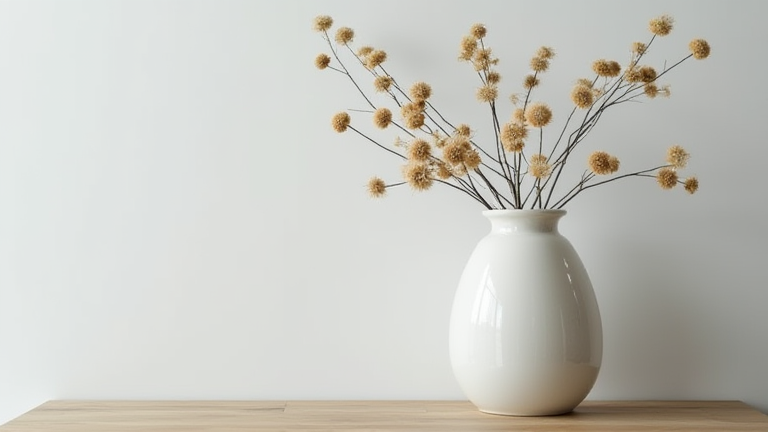
TL;DR: High-quality, lead-free porcelain vases are generally inert and do not release toxins into your living space. Concerns primarily arise with antique or poorly made ceramics that use lead-based glazes, which can leach into water or food if improperly sealed.
The Chemistry of Ceramic Safety
Porcelain is a type of ceramic material made from refined kaolin clay, fired at very high temperatures. This intense heat vitrifies the clay, creating a dense, non-porous surface that is chemically stable. Modern porcelain produced for decorative purposes, such as vases, is designed to be inert. This means it does not react with air, water, or the plants placed inside. The primary concern in the health and wellness community regarding ceramics is not the porcelain body itself, but the glaze applied to the surface.
Glazes are glassy coatings that provide color and shine. Historically, lead and cadmium were used as fluxes in glazes to lower the melting point and enhance brightness. While regulations in the United States, Europe, and other developed nations have strictly limited or banned the use of lead in food-contact ceramics, decorative items like vases may still be made by independent artisans or sourced from regions with less stringent oversight. If a vase is used to hold water for flowers, any lead present in the glaze could theoretically leach out over time, especially if the glaze is scratched, porous, or of low quality. However, for intact, properly fired modern porcelain vases, the risk of toxic leaching is negligible.
Lifestyle Tips for Safe Decor
To ensure your home remains a healthy sanctuary, adopt a few simple precautions when selecting and maintaining porcelain vases. First, prioritize sourcing. Buy vases from reputable retailers or established ceramicists who can confirm their materials are lead-free and cadmium-free. Look for certifications or clear labeling that states the product is safe for water use. If you are purchasing vintage or antique vases, treat them as decorative only. Do not use them to hold water for fresh cut flowers, as older glazes are more likely to contain heavy metals.
Second, maintain the integrity of the glaze. Inspect your vases regularly for cracks, chips, or crazing (a network of fine cracks in the glaze). If the glaze is damaged, the underlying clay becomes exposed, and any residual toxins in the glaze may become more accessible. While you can still use a chipped vase for dry arrangements, it is best to avoid storing water in it. Finally, ensure proper ventilation in your home. While porcelain does not off-gas volatile organic compounds (VOCs) like some plastics or paints, maintaining good air quality supports overall wellness. Keep your decorative items clean by wiping them with a damp cloth and mild soap, avoiding harsh chemical cleaners that might degrade the surface over time.
By understanding the material science behind your decor, you can enjoy the aesthetic benefits of porcelain without compromising your health. Conscious consumption and mindful maintenance are key to a toxic-free lifestyle.
FAQ
Q: Can I use any porcelain vase to hold water for flowers?
A: Only if it is explicitly labeled as food-safe or lead-free. Avoid using antique or unverified decorative vases for water storage to prevent potential heavy metal exposure.
If you want to dig deeper, check out our guide on Handmade Porcelain Vases: 10 Unique Styles for Your Home.
Q: Does porcelain off-gas VOCs like plastic?
A: No, porcelain is a mineral-based ceramic that does not release volatile organic compounds during normal use or aging.
Q: How can I test if my old vase contains lead?
A: You can purchase a lead test kit designed for ceramics at hardware stores, which involves swiping a solution on the glaze to check for chemical reactions.
Leave a Reply